Grains
Alfalfa
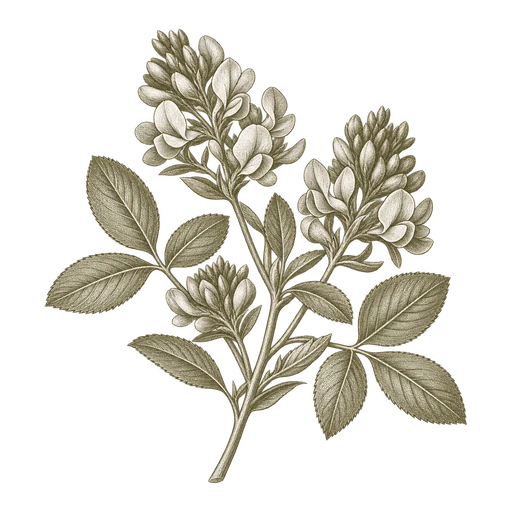
Alfalfa is a forage legume sourced as hay, silage, meal or pellets for livestock feed. Match the form to receiving and ration needs, then compare a lot-specific analysis on a consistent basis.
Explore ingredientIngredient testing and specifications help buyers compare bulk materials on a consistent, use-appropriate basis. This topic covers varied products, including alfalfa, apples, faba beans, coconut oil and meat and bone meal. Because forms and ingredient matrices differ, buyers should identify the exact product and intended use before comparing analytical values or choosing tests.
Alfalfa is a forage legume sourced as hay, silage, meal or pellets for livestock feed. Match the form to receiving and ration needs, then compare a lot-specific analysis on a consistent basis.
Explore ingredientAlfalfa meal is ground forage used in animal feed, with sun-cured and dehydrated processing routes and meal or pellet forms. Compare the offered process, physical form and analysis against the needs of the species and feed formulation.
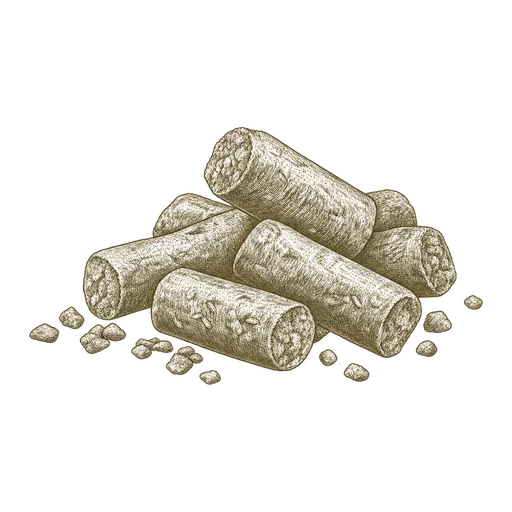
Explore ingredientAlfalfa pellets are ground, compressed forage used in livestock feeding and compound feeds. Compare the drying process, alfalfa material, forage analysis and pellet characteristics to choose a form that fits your ration and receiving setup.
Explore ingredientAlmond hulls are the dried outer layer of the almond fruit, sourced for ruminant feed as hull-only material or as a hull-and-shell mixture. Compare the lot’s composition, physical form, and handling needs before arranging a bulk shipment.
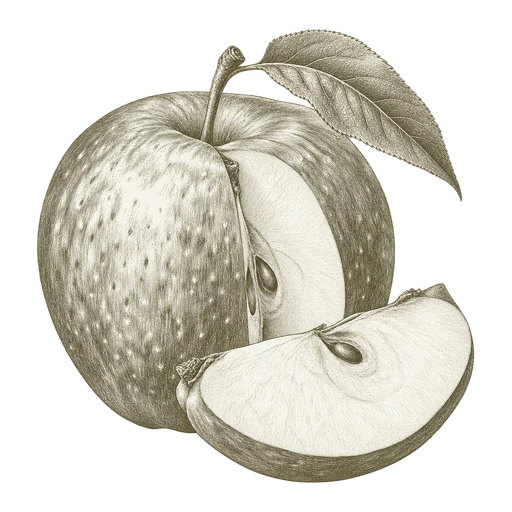
Explore ingredientBulk apples can mean whole fruit, culled apples, dried forms or apple pomace—the residue from pressing apples. Specify the form and intended use first, then compare grade or lot analysis, preservation, receiving needs and storage requirements.
Explore ingredientAustrian winter peas are a field pea type supplied for uses including cover cropping, forage and livestock feed. Specify whether you need planting seed, dry grain, hay or silage, since each form serves a different purpose and has different quality considerations.
Explore ingredientBeet molasses is a viscous, sugar-rich by-product used in animal feed for energy, palatability, binding and dust control. Compare the product stream and analysis, then match liquid handling and receiving plans to your facility.
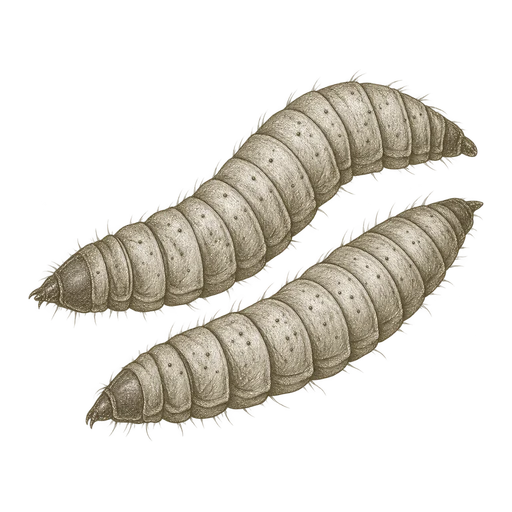
Explore ingredientBlack soldier fly larvae oil is a lipid ingredient extracted from Hermetia illucens larvae. Compare extraction method, feedstock history and lot-specific fatty-acid analysis to assess its fit for a defined feed use and bulk receiving plan.
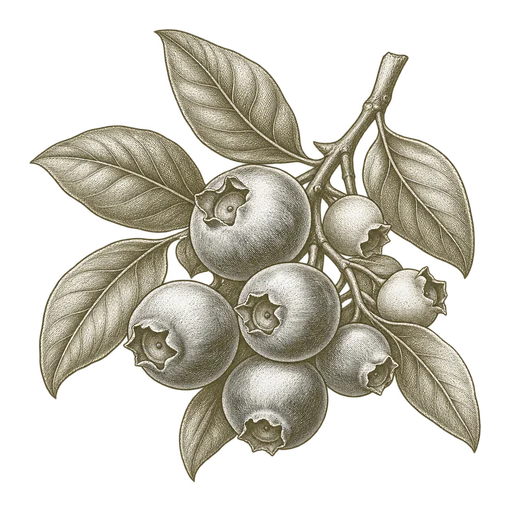
Explore ingredientBlueberry powder can come from whole fruit, juice or pomace, with carriers and drying methods affecting composition and handling. Compare the source fraction, ingredient statement and physical properties to match the powder to your food formulation.
Explore ingredientBrewers rice is a broken-rice milling fraction used in brewing, fermented products and animal feed. Compare broken, granulated or ground forms and review lot-specific physical and analytical details before sourcing in bulk.
Explore ingredientButtermilk powder is dried liquid buttermilk used to supply dairy solids and flavor in foods such as baked goods, sauces, beverages and desserts. Compare the product’s starting material, composition and functional properties to match it to the formulation and handling process.
Explore ingredientChicken fat is a rendered or extracted poultry fat used in animal feed and pet food. Compare its processing description and lot analysis, then match packaging, receiving, and storage plans to the specific product and intended formulation.
Explore ingredientCoconut oil is a coconut-kernel oil used in human food and food formulation. Compare processing history, lot-specific quality measures and temperature-handling needs when sourcing a bulk shipment.
Explore ingredientColored safflower is safflower seed identified by its appearance, but the name can mean naturally colored or artificially treated seed. Establish the product identity and intended use, then compare whole-seed condition, moisture and test weight for bird-feed applications.
Explore ingredientBovine colostrum powder is a dried ingredient that can differ in IgG content, fat, lactose and processing. Compare the specific form, lot analysis and intended-use documentation before arranging a bulk order.
Explore ingredientCranberry powder may be ground whole fruit, dried juice pomace or a pomace extract, and those forms differ in composition and use. Compare ingredient declarations, processing and relevant quality measures before choosing a bulk product for a food formulation.
Explore ingredientFaba beans are grain-legume seeds used in food and feed, supplied in forms ranging from whole or split seed to milled and more highly processed ingredients. Choose by intended use and form, then compare the relevant lot analysis and handling needs.
Explore ingredientFrench green lentils are sold as whole or split lentil seeds for food uses where form, color and cooking characteristics matter. The name does not guarantee French origin or Puy identity, so compare lot identity, physical quality and intended-use requirements when sourcing in bulk.
Explore ingredientGhee is a concentrated dairy fat used in cooking, frying, sweetmeats and as a topping. Compare process and sensory requirements alongside milk-fat, moisture and oxidation measures, then match the packaging and receiving details to your food operation.
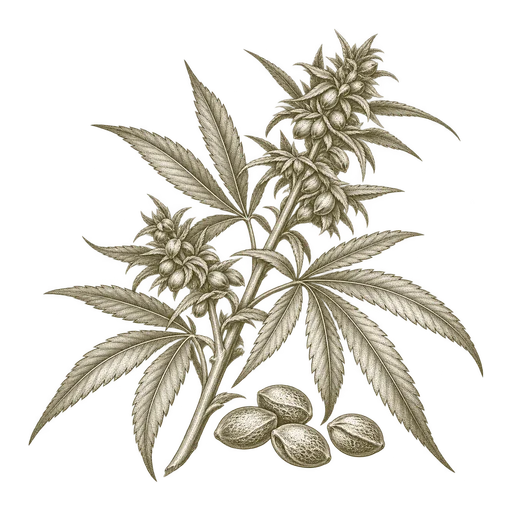
Explore ingredientHemp covers distinct seed-derived ingredients, including hulled seed, oil, protein powder and press cake. Identify the plant part, processing and intended use first; for meal, compare a current lot analysis and its measurement basis.
Explore ingredientMaple peas are a specialty type of field pea sourced for markets including racing-pigeon food. Variety and lot can differ in seed-coat and cotyledon color, size and analysis, so buyers should specify the required form and compare lot-level details for the intended use.
Explore ingredientMeat and bone meal is a rendered mammalian feed ingredient that contributes protein and bone-derived minerals. Compare its full lot analysis—not crude protein alone—and match the source, formulation needs and receiving arrangement to your operation.
Explore ingredientMilk protein isolate is a concentrated bovine milk protein ingredient used in human-food formulations, including nutrition bars and dietetic products. Compare conventional and microfiltered profiles, quality measures and processing needs before choosing a bulk product.
Explore ingredientMustard can mean culinary seed, oilseed or oil-extraction meal. Compare species, physical form and processing method first; for meal, review its analysis and glucosinolate profile against the intended feed use.
Explore ingredientPea fiber is sourced from different pea fractions and processing streams, so its fiber profile and water-binding behavior can vary. Identify the material and compare its analysis and functional properties against the intended food application.
Explore ingredientPea starch is the starch fraction separated from peas and is used for viscosity, gel formation, water retention and texture in food formulations. Processing changes its behavior, so identify the offered form and compare functional properties against your application.
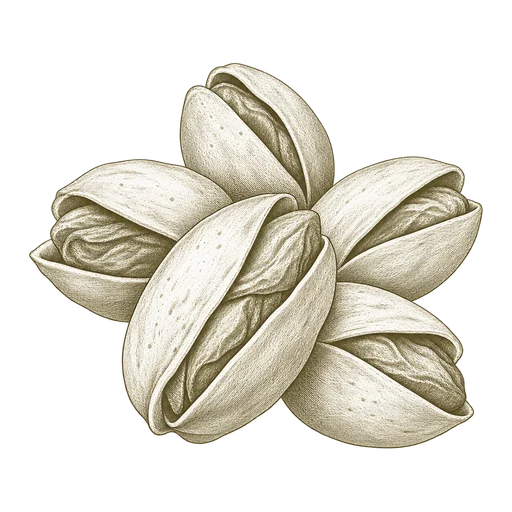
Explore ingredientPistachios are sourced as in-shell nuts, shelled kernels and processed forms for snacks, bakery, frozen desserts, sauces and confections. Define the product form, processing and quality requirements together, since shelling, roasting, seasoning and particle size change how the ingredient fits a food application.
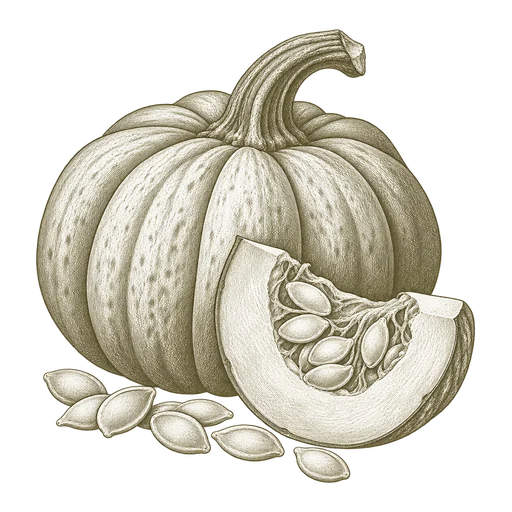
Explore ingredientPumpkin powder is dried, milled pumpkin material used in food formulations and some feed research. Compare the plant parts, processing, moisture and particle characteristics to choose a powder that fits the intended use and receiving setup.
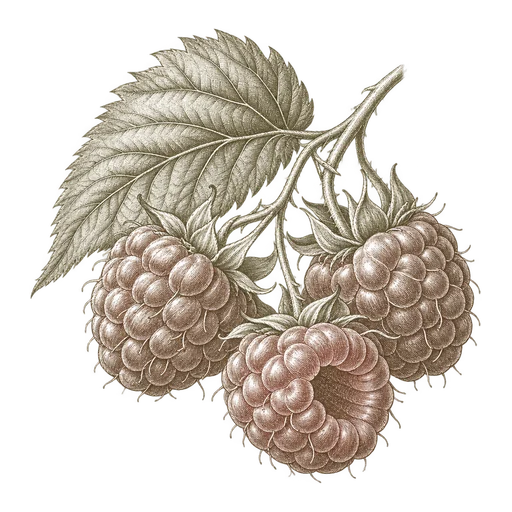
Explore ingredientBulk raspberries can mean frozen whole fruit or a distinct processing by-product such as raspberry pomace. Identify the form first, then compare quality criteria or analysis suited to its intended use.
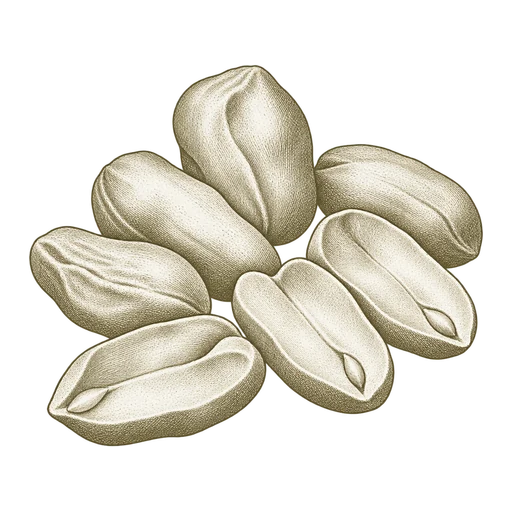
Explore ingredientRaw pickouts most likely means raw peanut kernels or pieces separated during processing, but the name does not define a standard grade. Compare the offered kernel form, sorting criteria and lot-specific testing—especially aflatoxin—against the intended use and receiving plan.
Explore ingredientRed lentil flour is a milled human-food ingredient whose seed form, particle size and processing history affect how it performs in formulations. Compare those characteristics with your application and specify the quality information, packaging and delivery details needed for a bulk order.
Explore ingredientRed lentils are sold whole, split, or split and dehulled for food processing and, where appropriate, feed use. Compare the physical form and quality factors such as moisture, foreign material, damage and color to match the order to its intended use.
Explore ingredientRice protein is a protein-rich ingredient extracted from rice-derived material and supplied as a powder. Compare feedstock, processing, protein reporting basis and solubility against the intended food or animal-food application.
Explore ingredientRice starch is the isolated starch fraction of rice, used for thickening, stabilization and texture in food and described in pet food and feed formulations. Native and modified grades differ in function, so match the starch type and relevant test methods to your process before arranging a bulk shipment.
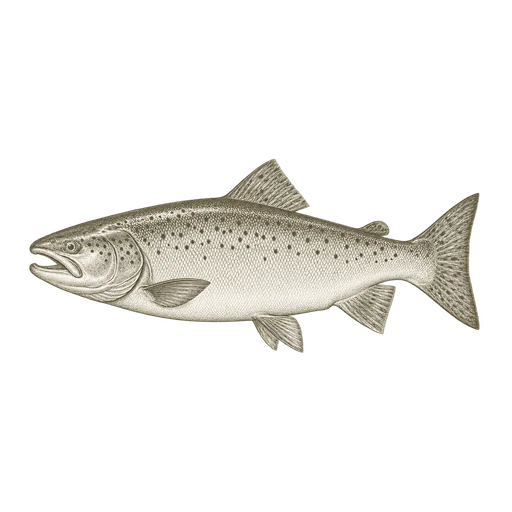
Explore ingredientSalmon oil is a fish-derived lipid used as a fat and long-chain omega-3 source in animal-food formulations. Compare source, processing, intended-use grade, fatty-acid profile and oxidation results, then match the offered oil’s packaging and handling directions to your receiving setup.
Explore ingredientA milk-based powder for commercial food manufacturing.
Explore ingredientSoy protein concentrate is a processed soybean protein ingredient supplied in forms such as powder, granules or textured product. Compare the form, protein basis, processing details and intended market to match the ingredient to a food process or feed formulation.
Explore ingredientBulk spinach is sourced as fresh leaves or dried, ground leaf, and those forms have different uses and handling needs. Fresh spinach for processing is judged by condition and cleanliness; dried leaf requires product-specific composition and storage information.
Explore ingredientSplit yellow peas are dehulled, split smooth yellow dry peas used as a food commodity and milled into flour for food formulations. Choose the form around the process, then compare relevant physical quality, analysis and receiving requirements.
Explore ingredientStriped sunflower seed, often shortened to “stripes,” is whole sunflower seed with its hull attached. Buyers compare seed size, hull status and lot condition for bird-feed use, mixes or dehulling; the shorthand alone does not establish food-grade suitability.
Explore ingredientSweet whey is a cheese-making co-product sold as liquid, concentrate or powder. The form affects composition, receiving and storage, while its lactose, protein, fat and minerals support food manufacturing and selected feed uses.
Explore ingredientTapioca pellets are a dried cassava-root feed ingredient used primarily as a carbohydrate and energy source in livestock rations. Their low protein content, variable composition and pellet-handling characteristics make ingredient identity, lot analysis and receiving equipment important parts of a bulk purchase.
Explore ingredientTapioca starch is cassava-root starch used for thickening, binding and stabilization in food products and in selected feed formulations. Native, modified, pregelatinized and hydrolyzed forms can behave differently, so match the form and functional data to the process before arranging a bulk shipment.
Explore ingredientTeff is a small-seeded cereal sourced as food grain or flour and separately as forage or straw. Naming the form and intended use helps buyers compare the right quality measures, plan receiving and protect the product in storage.
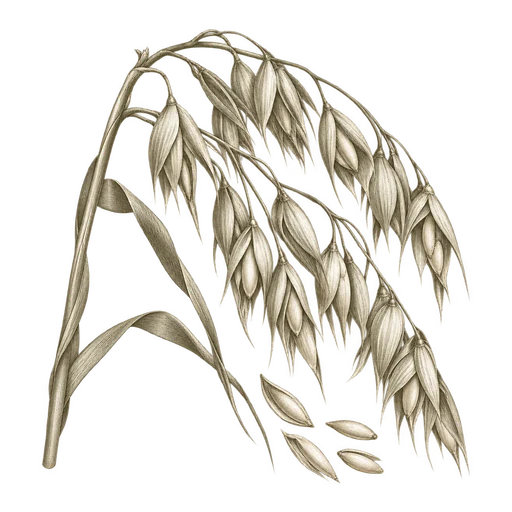
Explore ingredientTriticale is a wheat–rye cereal grain used mainly in livestock feed, with separate food and forage applications. Compare whole or processed forms and evaluate each lot’s condition and analysis against its intended use.
Explore ingredientTuna meal is a dried, ground fish ingredient used in feed formulations, including aquaculture diets. Its raw materials, processing, composition and physical form can differ, so compare lot analysis and handling requirements before arranging a bulk order.
Explore ingredientCommon vetch is sourced as feed seed or as forage for grazing, hay and silage. These forms have different quality and handling considerations; identify the species, intended use and relevant lot analysis before comparing bulk offers.
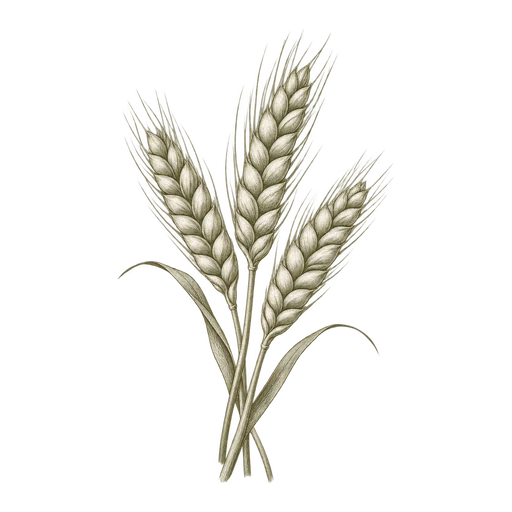
Explore ingredientBulk grain sourcing for milling, food production, and feed applications.
Explore ingredientWheat germ is a wheat-milling co-product used in food formulations and feed. Compare full-fat and defatted forms, processing history, and freshness measures to identify the material that fits your formulation and handling needs.
Explore ingredientWheat starch is an isolated wheat carbohydrate used for thickening and body in food and for narrower specialty-feed functions such as binding. Choose native, pregelatinized or modified starch according to the process and performance required.
Explore ingredientA dairy processing ingredient for specified food or feed applications.
Explore ingredientWhey Protein Concentrate 34 is a spray-dried dairy powder used in food formulations for its whey protein contribution and functional effects on texture, water binding and viscosity. Compare protein basis, composition and process needs to distinguish it from higher-protein concentrates and isolate.
Explore ingredientWhey protein isolate 90 is a dried whey-derived protein ingredient used in food formulations for protein supplementation and functional roles such as gelation, whipping, water binding and emulsification. Compare the protein basis, powder form and any additives against the needs of your process.
Explore ingredientWhite proso millet is white-seeded Panicum miliaceum used in birdseed, livestock feed and food processing. Compare whole, cracked or ground forms and specify the identity, quality analysis and receiving needs that fit the intended use.
Explore ingredientThis collection spans forage products such as alfalfa, pulses such as faba beans and maple peas, fruits such as apples, oils and seeds such as coconut oil and hemp, and animal-derived ingredients such as buttermilk powder and meat and bone meal. Their compositions and intended uses differ, so a test panel that suits one material is not automatically suitable for another.
Start with the exact ingredient name, form and intended application. Moisture, protein, fat or oil, fiber and ash can support nutritional or compositional comparisons when relevant. For alfalfa, use a forage-appropriate method; for an oil or fat, define the measure being tested rather than treating “fat” as one universal result.
A useful specification identifies the material and form, the measure and units, the analytical method, and the reporting basis. Results reported “as is” are not directly interchangeable with results adjusted to a constant moisture basis. Confirm those details before comparing offers or using a value in formulation.
A certificate of analysis (COA) is most informative when it identifies the lot, analytes, methods, limits and test date. A generic statement that a product is tested does not say which hazards or quality measures were assessed. A result for one lot also does not establish the results for another.
Representative sampling matters: a laboratory result describes the submitted sample, and unevenly distributed hazards or ingredient-matrix effects can affect what testing detects. Consider the ingredient, source, processing and intended use when deciding which contaminants to test and how to sample.
Physical inspection can add useful context, but it does not replace appropriate analysis. For a bulk purchase, compare lot identity, sample and test dates, method, units, reporting basis and acceptance limits alongside the material’s visible condition and packaging.
Only after confirming the same ingredient and form, comparable lot context, analyte definition, method, units and reporting basis. Moisture-adjusted and “as is” results, for example, are not directly equivalent.
No. A result applies to the sample tested. Lot identification and representative sampling are important, and a result from one lot does not establish the composition or safety of another.
No. Select methods and measures for the specific ingredient and intended use. Forage, pulse and oil materials have different matrices, so a test suitable for one should not be assumed suitable for another.
No. Inspection can help assess visible condition and packaging, but it does not establish nutritional composition or detect every relevant contaminant.
Focused guides to the specification, application, and delivery questions behind this ingredient.
Plan a white proso millet order around the receiving site's form, quantity, destination, timing, packaging and unloading needs. Protect the grain from moisture and contamination, and establish lot-specific requirements for the actual offer.
Read this InsightA practical guide to choosing white proso millet for wild-bird and caged-bird mixes, with attention to seed color, grain form and blend-specific requirements.
Read this InsightA practical guide to separating white proso millet identity, appearance, form and lot analysis—and making quality results comparable before purchase.
Read this InsightPlan bulk whey protein isolate 90 receiving around your facility’s package handling, unloading and storage needs. Keep the powder cool and dry, protect opened material from moisture, and rotate inventory by the product’s stated expiration or retest date.
Read this InsightWhey protein isolate 90 can contribute protein to yogurt, but its gelation effect depends on ingredient functionality, formulation, and processing—not protein content alone.
Read this InsightDry-matter and as-sold protein percentages describe the same material on different bases. Learn how moisture affects the calculation and what to align across a whey protein isolate 90 specification and lot COA.
Read this Insight