Choose a form for the recipe
Whole or pitted fruit retains the date’s shape, paste provides a uniform filling, syrup is a liquid sweetener and diced dates contribute pieces. These forms are not direct substitutes in a formulation.
Ingredient intelligence · quote-ready sourcing
Also searched as Date fruit, Phoenix dactylifera fruit
Dates are date-palm fruit sold as whole or pitted fruit, processed food ingredients and separate by-products such as pits or pulp. Specify the form and intended use first: each has different processing, quality measures and handling needs.

Dates are the fruit of Phoenix dactylifera. Edible flesh surrounds a hard pit or stone. Bulk products range from whole or pitted fruit to paste, syrup and diced dates; date pits and pulp remaining after extraction are separate by-products.
Processing changes how the ingredient works in production. Paste is used as a bakery filling, syrup as a sweetener and diced fruit where pieces are needed. Pit meal and extracted pulp have different identities and require product-specific composition information, particularly when being considered for feed.
Whole or pitted fruit retains the date’s shape, paste provides a uniform filling, syrup is a liquid sweetener and diced dates contribute pieces. These forms are not direct substitutes in a formulation.
Date pits and pulp left after juice or syrup extraction are different materials from food-grade date flesh. Clear identification prevents food specifications or formulation assumptions from being applied to a feed by-product.
Grade standards for covered date products address characteristics such as appearance, uniformity and defects; they do not state nutritional composition. Moisture and feed analysis answer different questions and depend on the specific product.
| Characteristic | Why it matters |
|---|---|
| Product identity and processing | Whole fruit, paste, syrup, pulp and pit meal differ in composition, function and handling. |
| Grade and physical condition | For covered U.S. date forms, grading addresses attributes including color, size uniformity, defects and character; it is not a nutrition analysis. |
| Moisture | Moisture affects storage and handling, but interpretation depends on the form, packaging and intended use. |
| Feed composition | For date by-products, material-specific analysis, including crude fiber where relevant, supports ration evaluation. |
No single grade, moisture value or composition profile applies to every date form. Compare the specification and analysis for the identified product and intended use.
For covered U.S. whole and pitted dates and certain processed forms, grade standards assess characteristics such as color, size uniformity, defects and character. A grade describes condition and quality under the applicable standard; it does not establish nutritional composition or automatically determine suitability for a particular recipe.
Moisture also needs context. It affects storage and handling, but a moisture value or storage recommendation for one date product cannot be applied universally to whole fruit, paste, syrup and feed by-products. For date-pit meal and other feed materials, composition can vary; crude fiber is one relevant measure for formulation. Compare analysis on the stated measurement basis and for the specific material being offered.
Dates are sensitive to moisture and temperature during storage, with the appropriate conditions depending on variety, maturity, moisture, packaging and end use. Storage figures for a particular variety or processed product are not a universal rule. For a bulk order, match the handling instructions to the identified product and its packaging, and ensure the receiving facility can protect it from moisture, heat exposure and contamination.
A useful quote request names the exact form, food or feed use, quantity and unit, destination, timing, packaging preference and receiving method. Include quality requirements such as grade, moisture or feed analysis only where they apply to the requested material. Lot-specific commercial terms and available documentation are confirmed for the offer.
Date paste is used as a filling in bakery products. Its paste form differs from whole or diced fruit, so specify whether the recipe needs a uniform filling or visible pieces.
Date syrup is a processed liquid sweetener. Its liquid form and processing distinguish it from fruit pieces or paste when selecting an ingredient for a food formulation.
Diced dates provide fruit pieces for processed foods. Some diced dates are coated to reduce sticking; identify any coating considerations that matter to the product formulation.
Date pits, pit meal and pulp remaining after extraction are feed-related materials with different physical forms and composition. A nutritionist should assess the specific material and its analysis rather than treating it as equivalent to whole dates.
Name the exact form and intended food or feed use, then give the quantity and unit, destination and requested timing. These details distinguish, for example, pitted fruit from pit meal and help frame the relevant quality requirements.
State the packaging preference and how the facility receives and unloads the product. Packaging and receiving constraints matter because fruit, paste, syrup and dry by-products differ in physical form and handling needs.
Plan to protect dates from moisture, temperature exposure and contamination, using storage guidance specific to the identified product. Conditions reported for a particular variety or processing method should not be treated as universal directions for every date form.
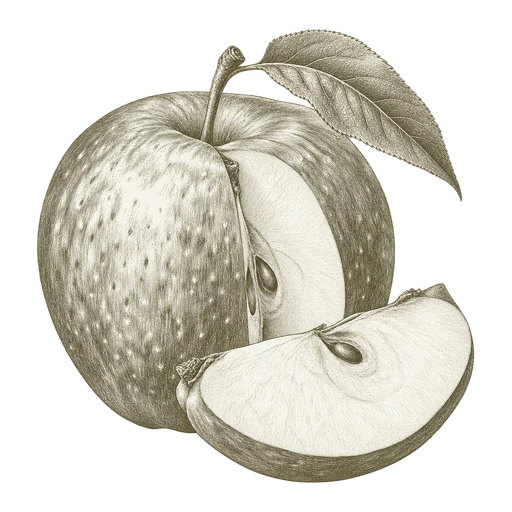
Bulk apples can mean whole fruit, culled apples, dried forms or apple pomace—the residue from pressing apples. Specify the form and intended use first, then compare grade or lot analysis, preservation, receiving needs and storage requirements.
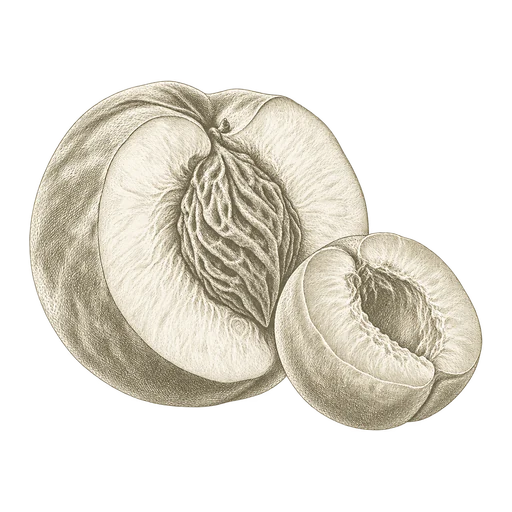
Explore ingredientApricots are sourced fresh or processed into dried fruit and other food forms. Match the form, cut, treatment and quality measures to the intended use, then plan receiving and storage around the product’s handling needs.
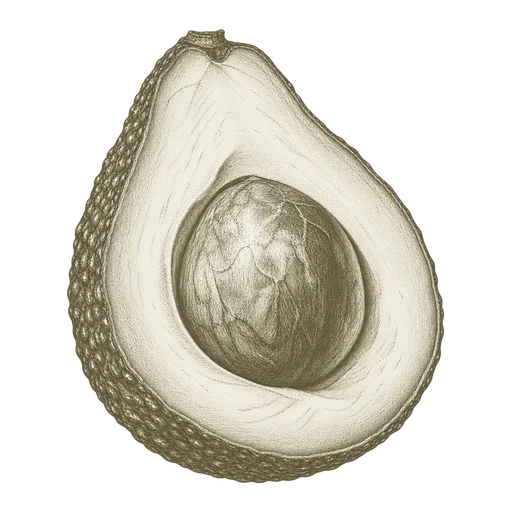
Explore ingredientAvocado feed materials include distinct forms such as pulp-and-peel by-product, peel meal and dried meal. Fraction, processing, intended species and handling needs determine what analysis and safety information matter before a bulk purchase.
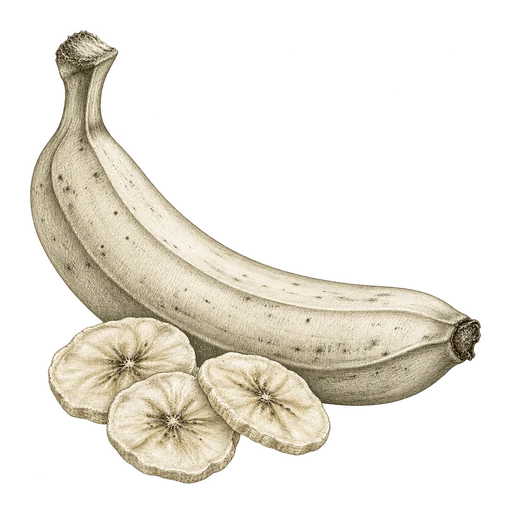
Explore ingredientBanana chips include both fried snack slices and dried banana products for food preparation or flour. Identify the process, added ingredients, and intended use before comparing quality measures and bulk shipment terms.
Explore ingredientFood forms include whole or pitted fruit, pressed dates, diced dates, paste and syrup. Date pulp and date pits or pit meal are separate by-products used in some feed contexts. State the precise form because processing, composition and intended use differ.
Storage needs depend on the variety, moisture, processing, packaging and intended use. Moisture and temperature affect date quality, but guidance for one product cannot be assumed to apply to another. Use handling directions specific to the offered form and lot.
The requested form and quality, quantity, packaging, destination and timing all affect a delivered quote. A quote request should distinguish food fruit from date by-products and include the facility’s receiving constraints.
Send your volume, destination, and key specifications. A broker can follow up with availability and commercial terms.