Independent sourcing. Better connections.Commercial buyers · Bulk ingredients
tag

Fruit processing

Fruit processing transforms harvested fruit into ingredients with forms and specifications suited to different manufacturing needs. This collection currently lists Dates, not a broad range of fruit ingredients. Buyers should distinguish whole or pitted fruit, pieces, paste, and syrup, then match the product specification and handling plan to the intended process.

2 ingredients6 published Insights
EXPLORE THE COLLECTION

Fruit processing ingredients

Dried Fruits

Dates

Dates are date-palm fruit sold as whole or pitted fruit, processed food ingredients and separate by-products such as pits or pulp. Specify the form and intended use first: each has different processing, quality measures and handling needs.

Explore ingredient
Dried Fruits

Peaches

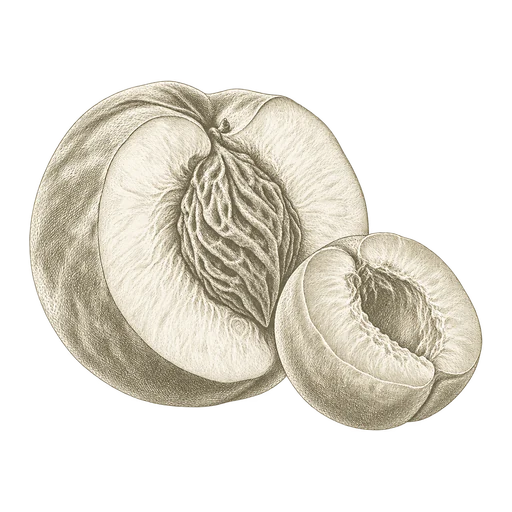
Peaches are sourced as fresh fruit and in processed forms including canned pieces, purée, juice and dried product. Identify the exact form and intended use; pomace, peel, stone and seed are separate processing materials with different composition and handling considerations.

Explore ingredient

What this collection covers

Fruit processing can turn harvested fruit into ingredients with different physical forms and uses. This collection currently includes Dates, the fruit of the date palm. It is a focused listing, not a catalog of every processed fruit or fruit co-product.

Dates may be sold whole or pitted, cut into pieces, or made into paste or syrup. These forms are not interchangeable: pieces retain their cut structure, paste is semi-solid, and syrup is a concentrated liquid. Choose by the role the ingredient needs to play in your process.

Match the specification to the form

When requesting a quote, identify the exact form and intended application. For whole fruit or pieces, clarify whether pits must be removed, the required cut size, and acceptable pit fragments. For paste or syrup, request a specification suited to that form rather than applying piece specifications.

Set acceptance criteria for relevant quality attributes such as moisture, grade, color, defects, foreign material, and any coating or processing aids. A moisture value or grade should be tied to the specific product and test method; a specification for one date form is not a universal standard for all date ingredients.

Plan receiving and handling

Packaging and handling needs differ between dry pieces, sticky paste, and liquid syrup. Confirm the offered product’s packaging, storage conditions, shelf life, and lot-specific quality documentation before finalizing the purchase. Do not assume a coating or storage instruction applies to every date product.

Food-use examples do not establish suitability for animal feed or pet food. Buyers considering those applications should verify the exact material, intended species, analysis, and applicable requirements for the product being purchased.

Common questions.

What date forms are included in this collection?+

The listed member is Dates. Date ingredients can include whole or pitted fruit, pieces, paste, and syrup, but the exact offered form should be confirmed for each listing or lot.

What should I specify when buying date pieces in bulk?+

State the desired cut, pit-removal requirements and tolerance, moisture criteria and test method, quality acceptance criteria, coating or processing-aid requirements, packaging, and intended use.

Can specifications for date pieces be used for date paste or syrup?+

No. Pieces, paste, and syrup differ in physical form and need specifications suited to the form being purchased.

Does a food application establish that Dates are suitable for feed?+

No. Confirm the exact product, intended species, analysis, and relevant requirements separately before considering a feed or pet-food use.

Fruit processing · BUYER INSIGHTS

Go deeper before you source.

Focused guides to the specification, application, and delivery questions behind this ingredient.

FIELD GUIDE01Fruit processing
Buyer’s guide

Receiving and storing bulk peaches by product form

Bulk peaches need form-specific receiving plans. Fresh fruit is perishable, dried peaches rely on packaging that maintains their low-moisture condition, and liquids or processing by-products require handling guidance for the actual product.

Read this Insight
FIELD GUIDE02Fruit processing
Buyer’s guide

Peach purée versus peach juice in food formulations

Peach purée, juice and concentrate differ in fruit solids, texture and handling. Compare the offered form and specification with the recipe’s liquid balance, texture target and production process before substituting.

Read this Insight
FIELD GUIDE03Fruit processing
Buyer’s guide

Dried peaches: comparing quality specifications

Compare dried peach offers by the form being purchased and the characteristics that affect use: flavor and odor, color, piece uniformity, defects and texture. Apply any USDA grade reference only within its verified product scope.

Read this Insight
FIELD GUIDE04Fruit processing
Buyer’s guide

Planning bulk date storage by product form

Bulk date storage depends on whether the shipment is whole or pitted fruit, paste, syrup or a dry by-product. Compare product form, packaging and receiving needs, then follow the handling directions for the specific offer.

Read this Insight
FIELD GUIDE05Fruit processing
Buyer’s guide

Date pits in goat feed: processing and analysis questions

Whole date pits and processed pit meal are different feed materials. Learn which processing and composition questions help a nutritionist evaluate date pits for a goat ration without assuming a universal feeding rate.

Read this Insight
FIELD GUIDE06Fruit processing
Buyer’s guide

How to compare date grades and moisture specifications

Date grade and moisture answer different questions. Understand the scope of a grade, compare moisture on a consistent basis, and specify the date form and analyses your application requires.

Read this Insight