Distinct forms serve distinct processes
Whole fruit, dried pieces, powder and pomace enter different handling and manufacturing steps. Naming the form prevents comparisons between products that do not serve the same purpose.
Ingredient intelligence · quote-ready sourcing
Bulk apples can mean whole fruit, culled apples, dried forms or apple pomace—the residue from pressing apples. Specify the form and intended use first, then compare grade or lot analysis, preservation, receiving needs and storage requirements.
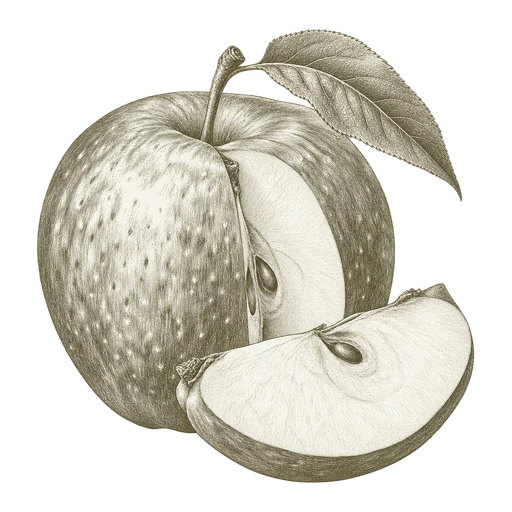
Bulk apples may be whole fresh fruit, culled apples, dried pieces or powder, or apple pomace. These forms have different characteristics and uses. Pomace is the residue remaining after apples are milled and pressed for juice, cider or puree; it can contain peel, flesh, seeds, core and juice residues.
Whole-fruit processing grades describe condition and defects, not nutritional value or feed suitability. Pomace composition and moisture depend on the fruit and processing method. Buyers evaluating pomace for feed should compare a lot-specific analysis and preservation method rather than assuming a standard apple profile.
Whole fruit, dried pieces, powder and pomace enter different handling and manufacturing steps. Naming the form prevents comparisons between products that do not serve the same purpose.
Defect criteria such as decay or internal breakdown help processors judge the condition of whole apples. They do not replace a nutritional analysis when evaluating a feed ingredient.
Pomace moisture and composition vary with fruit and processing. Lot-specific moisture or dry matter, protein and fiber information gives feed formulators a more relevant basis for evaluation.
| Characteristic | Why it matters |
|---|---|
| Product form and processing | Separates whole fruit, culled apples, fresh or pressed pomace, dried material and ensiled pomace, which differ in use and handling. |
| Whole-fruit grade and defects | Describes fruit condition for processing; relevant criteria can include decay, worm holes, freezing injury and internal breakdown. |
| Pomace moisture or dry matter | Shows the water content of the residue and informs handling, storage and feed evaluation. |
| Pomace protein and fiber analysis | Provides formulation information for feed use; the analysis should describe the offered lot. |
| Preservation method | Distinguishes fresh, dried and ensiled pomace, which have different storage and receiving needs. |
No universal offered specification is established for apples or apple pomace. Compare values and documents for the specific product form and lot.
Fresh, pressed, dried and ensiled pomace differ in moisture and handling. Fruit type, harvest conditions and processing or drying methods can affect the resulting material. For feed formulation, request a lot-specific analysis rather than applying a generic apple nutrient profile.
Moisture or dry matter helps buyers understand the amount of water in the material and its storage needs. Crude protein and fiber measures can help a nutritionist evaluate pomace within a ration. For apples or pomace sold for food use, the intended food application and the applicable product and safety requirements need to be established separately; a fruit or pomace description alone does not establish food-grade status.
Whole apples are used in food processing, including juice, cider and puree production. Dried apple pieces and powders are distinct ingredient forms; their suitability depends on the intended product and the specification of the actual material.
Apple pomace and culled apples have been evaluated for livestock feed, but use depends on the animal, the rest of the diet and the material’s form and analysis. Fresh pomace is wet and can spoil rapidly, while dried or ensiled material has undergone preservation. Do not treat findings for one form or livestock use as a feeding recommendation for another.
Fresh pomace needs prompt, form-appropriate handling because its high moisture makes it vulnerable to spoilage. Ensiling and dehydration are preservation approaches, but the product description alone does not establish that either was carried out correctly. Ask for the actual preservation method and storage guidance.
Dried apple products and pomace still need storage conditions suited to their packaging and moisture. For any bulk order, align the material’s form and condition with receiving capacity, storage space and the intended use. Exact packaging, delivery terms and lot documents depend on the offer.
Whole apples are processed into juice, cider or puree. Fruit grade, condition and defect criteria help describe the raw material; the required criteria depend on the process.
Dried pieces and powder are separate ingredient forms for food applications. Their suitability depends on the intended product and the specification of the material, not simply on the word “apple.”
Apple pomace and culled apples have been evaluated as livestock feed ingredients. Their role depends on species, ration design, form and lot analysis; evidence for one use should not be treated as a general feeding rate.
Identify whole fruit, culled apples, pomace or a dried form, along with quantity and unit, destination and timing. For pomace, include whether it is fresh, dried or ensiled because form and moisture affect its handling.
Describe the packaging or bulk receiving method your facility can handle, along with unloading access and storage capacity. These details matter especially for wet or bulky pomace and must be matched to the offered product and shipment.
Fresh pomace is wet and prone to rapid spoilage, so handling and storage plans need to account for its condition and preservation method. For dried or ensiled forms, use storage guidance appropriate to the actual packaging and product; do not assume a universal shelf life.
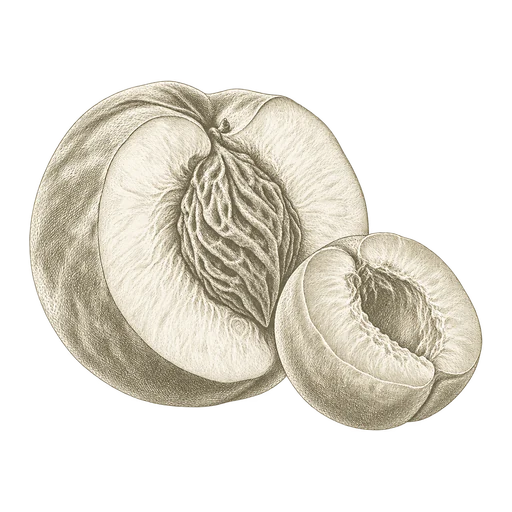
Apricots are sourced fresh or processed into dried fruit and other food forms. Match the form, cut, treatment and quality measures to the intended use, then plan receiving and storage around the product’s handling needs.
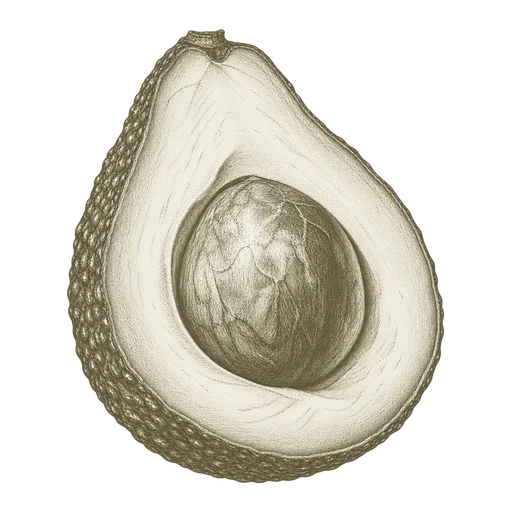
Explore ingredientAvocado feed materials include distinct forms such as pulp-and-peel by-product, peel meal and dried meal. Fraction, processing, intended species and handling needs determine what analysis and safety information matter before a bulk purchase.
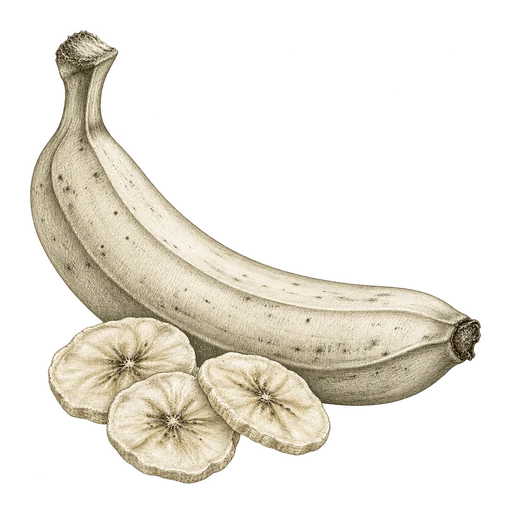
Explore ingredientBanana chips include both fried snack slices and dried banana products for food preparation or flour. Identify the process, added ingredients, and intended use before comparing quality measures and bulk shipment terms.
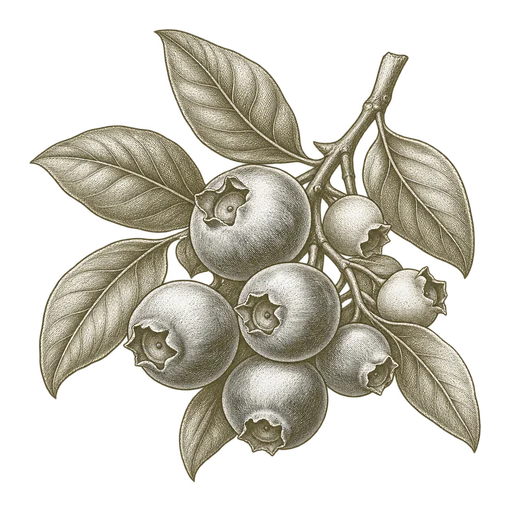
Explore ingredientBulk blueberries are sourced as frozen whole fruit, dried berries, powder, puree and other distinct forms. Match the form and its quality measures to the recipe, processing method and receiving requirements.
Explore ingredientBulk apples can refer to whole fresh or culled fruit, dried apple pieces or powder, and apple pomace. Pomace is the residue from pressing apples for juice, cider or puree. Specify the form because composition, handling and use differ.
No. Apple pomace is a processing residue that can include peel, flesh, seeds, core and remaining juice. Its moisture and composition depend on the fruit and processing, so it needs its own product description and, for feed use, lot-specific analysis.
Storage needs depend on whether the product is fresh fruit, wet pomace, dried material or ensiled pomace. Delivered pricing depends on the specified form, quantity, packaging, destination and timing; those details also help determine whether the receiving facility can handle the shipment.
Send your volume, destination, and key specifications. A broker can follow up with availability and commercial terms.