Process defines the product
Frying removes moisture while adding oil; drying removes moisture without frying. Distinguishing the processes helps prevent a snack chip from being compared with a dried slice intended for cooking or milling.
Ingredient intelligence · quote-ready sourcing
Banana chips include both fried snack slices and dried banana products for food preparation or flour. Identify the process, added ingredients, and intended use before comparing quality measures and bulk shipment terms.
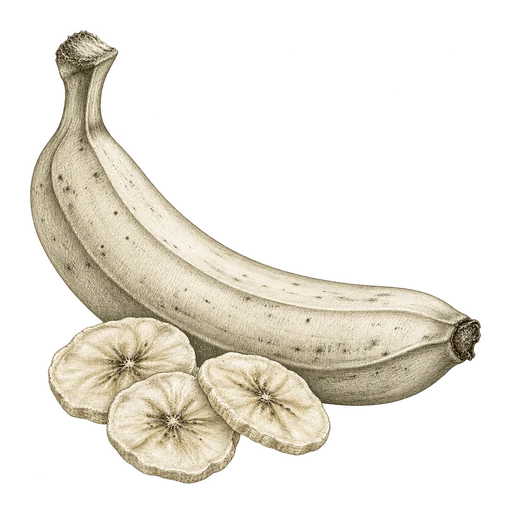
Banana chips are sliced banana or plantain products processed for food use. The name does not specify whether the slices are fried or dried, nor whether they are ripe or unripe. Those differences affect composition and application, so buyers should identify the process and intended use before comparing offers.
Fried chips are used as snacks. Dried unripe slices can be soaked and cooked or ground into flour. Added sugar, salt, seasonings, coatings, and processing aids also vary by product and should be considered part of its identity.
Frying removes moisture while adding oil; drying removes moisture without frying. Distinguishing the processes helps prevent a snack chip from being compared with a dried slice intended for cooking or milling.
Sugar, salt, seasonings, coatings, and frying oil can change the flavor and composition of the finished ingredient. A clear ingredient declaration helps a formulator determine whether the product fits a recipe.
Slice size, thickness, breakage, fines, color, and texture influence how chips look and handle in a food product. These characteristics are especially relevant when the slices remain visible in the finished application.
| Characteristic | Why it matters |
|---|---|
| Process and maturity | Distinguishes fried snack chips from dried slices and helps establish whether an unripe product is needed. |
| Ingredient declaration | Identifies added sugar, salt, seasonings, coatings, processing aids, and frying oil where applicable. |
| Moisture or water activity | Helps describe dryness and informs texture and storage decisions; interpret results for the product and test method. |
| Oil or fat content | Relevant to fried chips because frying contributes oil; do not infer a value from the product name. |
| Physical and sensory condition | Slice dimensions, breakage, fines, color, texture, and off-odors help assess fit for the intended application. |
No single specification applies to every fried or dried banana-chip product. Compare lot-specific results using the offered product’s process and test methods.
Moisture and water activity help describe a product’s dryness and are relevant to texture and storage, but results need to be interpreted for the specific process and test method. There is no single moisture value that defines every banana chip. For fried products, oil or fat content is another useful measure; it reflects a characteristic that drying alone does not introduce.
The ingredient declaration is just as important as the process. Confirm whether the product contains added sugar, salt, seasonings, coatings, or processing aids, and identify the frying oil where applicable. Slice size and thickness, breakage, fines, color, texture, and off-odors help buyers judge whether the physical product matches the intended recipe or packing line.
Fried banana chips are used as snack foods, either as a finished snack or as an ingredient in a product that incorporates crisp fruit pieces. For that use, the buyer’s target for slice size, texture, flavor, and added ingredients should guide the specification.
Dried unripe slices can be soaked and cooked, or milled into banana flour for food preparations. Those uses depend on having the dried, unripe form; the product name alone is not enough to establish that suitability. Banana chips should not be assumed to be a livestock-feed or pet-food ingredient based on the name.
Fried chips are best protected from moisture, heat, and sunlight. Airtight packaging and cool, dry storage are important to help preserve product quality, but a general shelf-life estimate is not a guarantee for a specific lot. The product, process, package, and storage conditions all matter. Dried slices also need protection from moisture and pests.
For a bulk order, specify fried or dried chips, the intended use, required ingredients, quantity and unit, destination, and timing. Include packaging and receiving constraints, then compare the offered product’s specification and lot documentation against the requirements of your recipe or process. Price depends on the offered product and commercial terms, including shipment destination and freight; those terms are confirmed for the specific offer.
Fried banana chips are documented as snack foods. Buyers developing or packing a snack should define the desired slice size, texture, flavor, and ingredient additions rather than treating all fried chips as equivalent.
Chips can be incorporated as fruit pieces in food products. Slice dimensions, breakage, texture, and any added sweeteners or seasonings affect their appearance and role in the finished recipe.
Dried unripe banana slices can be ground into flour. This application requires the appropriate dried raw material; fried snack chips should not be presumed to be an equivalent input.
Dried unripe slices can be soaked and cooked in food preparations. The buyer should distinguish this form from fried or sweetened snack chips, whose processing and composition differ.
Identify fried or dried slices, the intended food use, required ingredient profile, quantity and unit, destination, and timing. These details establish which product is being quoted and help align the offer with the recipe.
State the packaging required and explain how the facility receives and handles packaged food ingredients. Share access or unloading constraints with the destination and order details so the shipment arrangement can be evaluated for that location.
Fried chips should be protected from moisture, heat, and sunlight; airtight packaging and cool, dry storage support product quality. Protect dried slices from moisture and pests, and use storage guidance specific to the offered product and package.
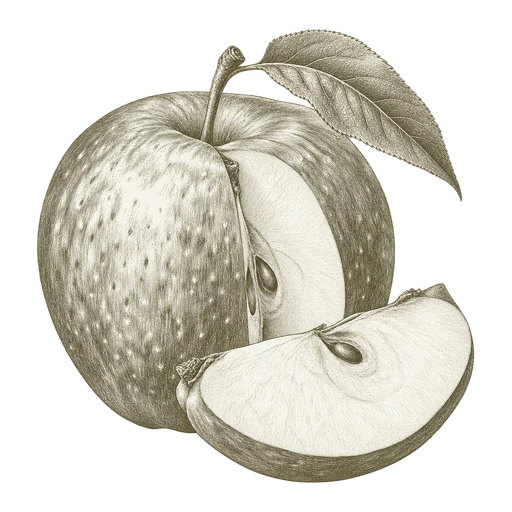
Bulk apples can mean whole fruit, culled apples, dried forms or apple pomace—the residue from pressing apples. Specify the form and intended use first, then compare grade or lot analysis, preservation, receiving needs and storage requirements.
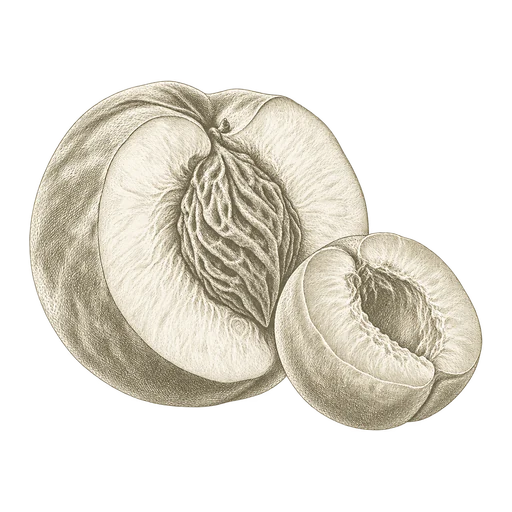
Explore ingredientApricots are sourced fresh or processed into dried fruit and other food forms. Match the form, cut, treatment and quality measures to the intended use, then plan receiving and storage around the product’s handling needs.
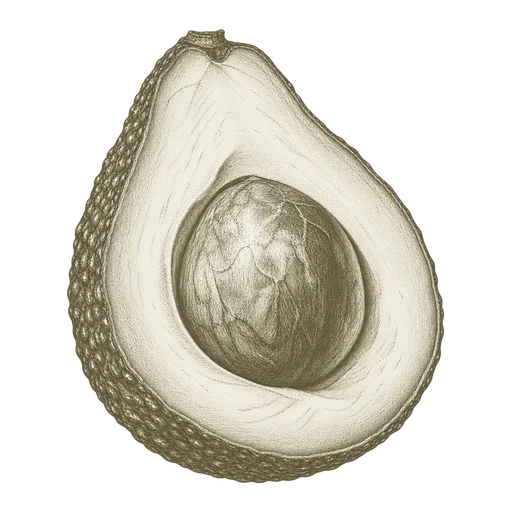
Explore ingredientAvocado feed materials include distinct forms such as pulp-and-peel by-product, peel meal and dried meal. Fraction, processing, intended species and handling needs determine what analysis and safety information matter before a bulk purchase.
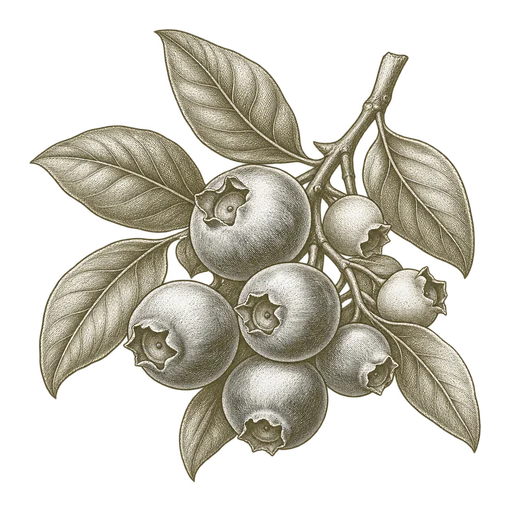
Explore ingredientBulk blueberries are sourced as frozen whole fruit, dried berries, powder, puree and other distinct forms. Match the form and its quality measures to the recipe, processing method and receiving requirements.
Explore ingredientFried chips are cooked in oil as moisture is removed; dried slices lose moisture through a drying process without frying. The processes create different ingredient compositions and product characteristics. Dried unripe slices can be used in cooked preparations or milled into flour, while fried chips are commonly used as snacks.
Start with process and ingredient identity: fried or dried, maturity, and any added sugar, salt, seasonings, coatings, or processing aids. Moisture or water activity, oil/fat content for fried chips, slice dimensions, breakage, color, texture, and off-odors can help determine whether a lot fits the intended food application.
The product form and composition, order quantity, packaging, destination, timing, and freight affect a delivered offer. Provide those details together so the quote reflects the banana chips and shipment you need; commercial terms are specific to the offer.
Send your volume, destination, and key specifications. A broker can follow up with availability and commercial terms.