Beet molasses is a viscous, sugar-rich by-product used in animal feed for energy, palatability, binding and dust control. Compare the product stream and analysis, then match liquid handling and receiving plans to your facility.
Beet molasses is the dark, viscous syrup left after sugar is crystallized from concentrated juice extracted from sugar-beet roots. It is a liquid feed ingredient, unlike beet pulp, which is the fibrous residue from sugar extraction.
02
The production stream and its analysis matter. Further sugar-recovery processes can produce materials distinct from ordinary beet molasses, while changes in processing can also affect composition. For a bulk purchase, establish the product identity, compare the current analysis on a consistent basis, and account for the liquid’s pumping and storage needs.
Sugar contribution
Beet molasses supplies sugars, mostly sucrose, and is used as an energy ingredient. Total sugars and dry matter together help a formulator interpret the material’s contribution; the reported basis matters because dry-matter percentages exclude water.
Binding and dust reduction
The syrup’s sticky consistency can help bind feed pellets and reduce dust. Those functions make viscosity and metering behavior practical considerations when integrating it into a feed process.
A composition that needs context
Soluble protein in beet molasses includes non-protein nitrogen, so crude protein does not describe it like a conventional protein meal. Ash and minerals such as potassium also inform formulation decisions.
SPECIFICATIONS
Beet Molasses specifications.
Product-specific measures to compare
Characteristic
Why it matters
Product identity
Separates ordinary beet molasses from distinct streams produced by further sugar recovery.
Dry matter or moisture
Shows how much of the delivered material is dry matter; retain the stated analytical basis.
Total sugars and basis
Helps assess the sugar contribution; dry-matter and as-fed percentages are not directly equivalent.
Crude protein or nitrogen
Needs context because soluble protein includes non-protein nitrogen.
Ash, potassium and sodium
Mineral values can affect formulation, especially where dietary constraints apply.
Brix or density, if specified
Can describe concentration and inform handling; neither should be mistaken for a direct total-sugar result.
Values vary with product and process. Compare current product and lot information using the same analytical basis; reference-population figures are not guaranteed specifications for an offered lot.
Feed uses and formulation limits
In animal feed, beet molasses contributes energy and can improve palatability. Its sticky consistency also makes it useful as a pellet binder and as a dust-reducing ingredient. It can be blended with fibrous feeds and used in ensiling or molasses-urea blocks; the role and suitable amount depend on the complete ration and intended process.
High sugar and potassium are relevant formulation considerations, particularly in ruminant diets. Gradual introduction and adequate roughage are among the handling considerations described for ruminant use. Species and ration matter: do not infer an inclusion rate or suitability for a particular animal from the ingredient name alone. A qualified formulator should assess the offered analysis against the full diet.
Viscosity, pumping and storage
Beet molasses is a viscous liquid, and colder conditions can make it harder to pump and meter. Heating can improve flow, but excessive heat can alter quality; handling temperatures should follow guidance for the particular product and equipment. Buyers should consider pump capacity, metering needs and receiving setup before arranging a shipment.
Dilution can reduce viscosity, but added water also reduces the product’s osmotic stability and can allow fermentation. Diluted material should be used promptly, rather than treated as equivalent to undiluted molasses for storage. Protect the product from contamination and agree on practical storage and handling instructions for the offered material.
Compare offers on a consistent basis
For a meaningful comparison, review the product identity and current analysis together. Useful measures include dry matter or moisture, total sugars and their analytical basis, crude protein or nitrogen, ash, potassium and sodium, and Brix or density where specified. These measures describe different properties; no single number captures both feeding value and handling behavior.
Commercial terms depend on the specific offer, quantity, destination and timing. Include your receiving method and any formulation limits in the request so the product analysis and liquid-handling requirements can be considered alongside delivered pricing.
APPLICATIONS
Common uses for beet molasses.
01
Feed energy
The sugars in beet molasses contribute energy in animal-feed formulations. The formulator should assess the offered sugar and dry-matter analysis within the complete ration rather than treating a generic value as an inclusion target.
02
Palatability
Beet molasses is used as a palatability aid in feed. Its role should be considered alongside the rest of the ration and the product’s sugar and mineral analysis.
03
Pellet binding and dust reduction
Its sticky liquid consistency can bind feed pellets and help reduce dust. Viscosity, metering and process equipment are relevant when evaluating how it will enter a feed line.
04
Fibrous-feed blending and ensiling
Beet molasses can be mixed with fibrous feeds and used in ensiling. The intended process and the handling characteristics of the liquid should guide formulation and application.
05
Molasses-urea blocks
Beet molasses is used in molasses-urea blocks. This is a formulation-specific feed use; the ingredient’s analysis and the complete product design need to be evaluated together.
ORDERING & DELIVERY
Beet Molasses delivery.
POINT 01
Define the liquid-feed order
Specify ordinary beet molasses or the particular sugar-beet stream required, then give the quantity and unit, destination and requested timing. Identify the analysis needed for the intended feed use so the product and quantity can be evaluated together.
POINT 02
Match shipment to receiving equipment
Describe how your site unloads and meters viscous liquids, including equipment constraints that affect pumping. Packaging and delivery arrangements need to be compatible with that receiving setup; the suitable arrangement depends on the offer and destination.
POINT 03
Protect flow and product quality
Include storage conditions, temperature-management limits and any planned dilution in the handling plan. Cold conditions can impede pumping, while excessive heating can alter quality; dilution can reduce osmotic stability and allow fermentation, so diluted material should be used promptly.
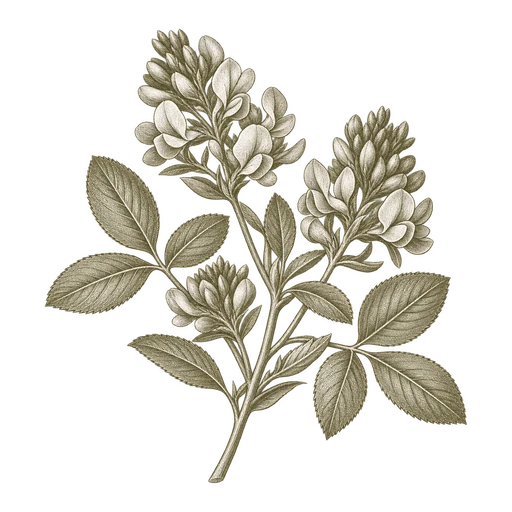
Alfalfa is a forage legume sourced as hay, silage, meal or pellets for livestock feed. Match the form to receiving and ration needs, then compare a lot-specific analysis on a consistent basis.
Alfalfa meal is ground forage used in animal feed, with sun-cured and dehydrated processing routes and meal or pellet forms. Compare the offered process, physical form and analysis against the needs of the species and feed formulation.
Alfalfa pellets are ground, compressed forage used in livestock feeding and compound feeds. Compare the drying process, alfalfa material, forage analysis and pellet characteristics to choose a form that fits your ration and receiving setup.
Beet pulp pellets are a dried, compacted sugar beet co-product used as a fibrous, energy-bearing ingredient in livestock feed. Compare molasses status, lot analysis and pellet handling needs to match the product to your ration and receiving setup.
What is the difference between beet molasses and beet pulp?+
Beet molasses is the concentrated liquid remaining after sugar crystallization from sugar-beet juice. Beet pulp is the fibrous residue from sugar extraction. They differ in physical form and composition and are not interchangeable feed ingredients.
Which analysis values matter when buying beet molasses?+
Start with dry matter or moisture and total sugars, making sure the analytical basis is clear. Crude protein or nitrogen, ash, potassium and sodium can matter for formulation; Brix or density may help describe concentration and handling. Compare current product and lot information rather than relying on a generic value.
What affects delivered beet molasses pricing?+
The offered product, quantity, destination, timing and freight arrangement affect a delivered quote. Receiving setup matters because this viscous liquid must be unloaded and handled with compatible equipment. Share these details with the broker so the offer can be assessed against your requirements.
START WITH A CLEAR BRIEF
Ready to source beet molasses?
Send your volume, destination, and key specifications. A broker can follow up with availability and commercial terms.