Independent sourcing. Better connections.Commercial buyers · Bulk ingredients
tag

Sugar beet co-products

Sugar beet co-products in this collection include Beet Molasses, Beet Pulp Pellets and Beet Pulp Shreds. Molasses is a concentrated liquid; pulp is fibrous residue sold dried as loose shreds or compressed pellets. Buyers comparing these feed ingredients should check product form, lot analysis, any molasses treatment and bulk handling requirements rather than treating the names as interchangeable.

3 ingredients6 published Insights
EXPLORE THE COLLECTION

Sugar beet co-products ingredients

Feed Ingredients

Beet Molasses

Beet molasses is a viscous, sugar-rich by-product used in animal feed for energy, palatability, binding and dust control. Compare the product stream and analysis, then match liquid handling and receiving plans to your facility.

Explore ingredient
Starches/Fibers/Proteins

Beet Pulp Pellets

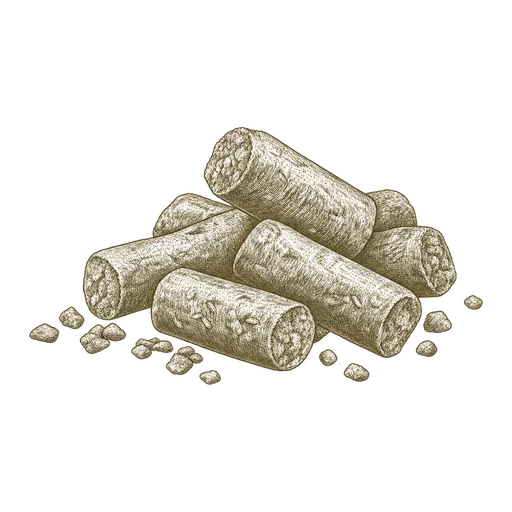
Beet pulp pellets are a dried, compacted sugar beet co-product used as a fibrous, energy-bearing ingredient in livestock feed. Compare molasses status, lot analysis and pellet handling needs to match the product to your ration and receiving setup.

Explore ingredient
Starches/Fibers/Proteins

Beet Pulp Shreds

Beet pulp shreds are dried, shredded sugar-beet pulp used as a digestible-fiber ingredient in livestock and horse diets. Compare the offered form, additions and lot analysis, then match the shipment and dry-storage plan to your receiving setup.

Explore ingredient

Three products, different forms

Sugar beet processing produces distinct feed ingredients, not interchangeable versions of one product. Beet Molasses is a concentrated, sugar-rich liquid left after sugar crystallization. Beet Pulp Pellets and Beet Pulp Shreds are dried fibrous pulp remaining after juice extraction: pellets are compressed, while shreds retain a loose-fiber form.

Molasses can be applied to dried pulp, so neither the word “pulp” nor its physical form confirms molasses treatment. Check the product specification for its presence and amount.

Compare the specification, not just the name

For pulp, compare moisture, crude protein, crude fiber, sugars and ash on the same stated basis. Confirm whether molasses has been added. For pellets, check dimensions and fines or breakage if those affect conveying or feeding equipment. A pellet and a shred should not be assumed nutritionally equivalent without comparable analyses.

For molasses, request a current analysis with its measurement basis clearly stated. Dry matter or moisture, sugars, ash and minerals can help buyers evaluate fit for the intended feed formulation. Beet pulp and molasses differ in composition and physical handling, so one should not be selected as a direct substitute without reviewing the ration.

Plan bulk handling around the form

Dry pulp and liquid molasses have different receiving and storage needs. Molasses viscosity can complicate transfer, particularly in cold conditions; consider the actual storage temperature and pumping setup when planning delivery. Confirm the offered product’s intended use, lot analysis, delivery format and handling requirements before purchase.

Common questions.

Is beet molasses the same ingredient as beet pulp?+

No. Beet molasses is a concentrated liquid co-product of sugar crystallization; beet pulp is the fibrous residue after juice extraction. Their composition, physical handling and roles in feed formulations differ.

Are beet pulp pellets and shreds nutritionally equivalent?+

Do not assume so. Compare current analyses on the same moisture basis and verify whether molasses has been added; the product form alone does not establish equivalent composition.

Does beet pulp always contain added molasses?+

No. Molasses can be applied to dried pulp, but its presence and amount need to be confirmed in the product specification.

What should buyers compare when sourcing these co-products in bulk?+

Confirm the intended use, exact product form, current lot analysis and measurement basis, any molasses treatment, and delivery and handling requirements. For feed use, assess the ingredient in the context of the target species and complete ration.

Sugar beet co-products · BUYER INSIGHTS

Go deeper before you source.

Focused guides to the specification, application, and delivery questions behind this ingredient.

FIELD GUIDE01Sugar beet co-products
Buyer’s guide

Planning beet molasses pumping, storage and dilution

Plan beet molasses pumping, storage and dilution around viscosity, cold-related flow challenges and the fermentation risk of diluted product.

Read this Insight
FIELD GUIDE02Sugar beet co-products
Buyer’s guide

Using beet molasses for pellet binding and dust reduction

Beet molasses can help feed particles adhere and reduce loose dust, but its usefulness as a pellet binder depends on liquid distribution, metering and the production line. Evaluate those process needs separately from its role as a source of feed energy.

Read this Insight
FIELD GUIDE03Sugar beet co-products
Buyer’s guide

How to compare beet molasses analysis and Brix

Compare beet molasses reports on a common analytical basis. Learn what moisture, dry matter, sugars, Brix and density each measure, and when protein, ash and minerals matter to a feed formulation.

Read this Insight
FIELD GUIDE04Sugar beet co-products
Buyer’s guide

Planning bulk beet pulp shreds receiving and dry storage

Plan beet pulp shreds receiving by matching the order form and quantity to your facility’s unloading setup, destination and dry storage capacity. Packaging and storage duration are not universal, so confirm the offered lot’s handling instructions and terms.

Read this Insight
FIELD GUIDE05Sugar beet co-products
Buyer’s guide

Beet pulp shreds for horses: formulation and soaking questions

Beet pulp shreds can contribute fiber and dietary energy to a horse’s ration. Learn how to discuss their role and soaking with an equine nutrition professional before defining a bulk sourcing requirement.

Read this Insight
FIELD GUIDE06Sugar beet co-products
Buyer’s guide

How to compare beet pulp shreds analysis and dry-matter basis

Compare beet pulp shreds analysis on a consistent basis. Learn how moisture, protein, fiber, sugars and minerals inform purchasing decisions, and how to verify whether a product includes molasses or other additions.

Read this Insight