Grains
Alfalfa
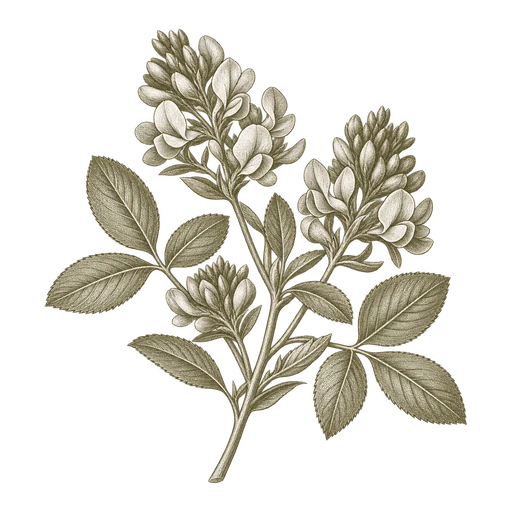
Alfalfa is a forage legume sourced as hay, silage, meal or pellets for livestock feed. Match the form to receiving and ration needs, then compare a lot-specific analysis on a consistent basis.
Explore ingredientBeet molasses can help feed particles adhere and reduce loose dust, but its usefulness as a pellet binder depends on liquid distribution, metering and the production line. Evaluate those process needs separately from its role as a source of feed energy.
Beet molasses is a thick, sugar-containing liquid from sugar beet processing. In feed manufacture, its tackiness can help particles adhere to one another. When distributed through a blend, it can contribute to pellet cohesion and help limit loose fines. The result depends on how the liquid is applied and how it interacts with the other ingredients and the process—not simply on adding molasses to a formulation.
Binding and dust reduction are related but distinct goals. A binder is intended to help particles hold together; dust reduction concerns loose material generated during handling. Beet molasses may support both by coating feed particles, but the outcome depends on coverage, mixing, conditioning and subsequent handling. Neither effect should be assumed to be uniform across different feeds or equipment.
Viscosity is central to using beet molasses as a process ingredient. A liquid that is difficult to move or meter can be challenging to distribute evenly; uneven application can leave some material over-coated and other portions with too little contact. The buyer and production team should therefore establish whether the offered molasses can be handled and metered by the facility’s existing system under its actual operating conditions.
Discuss the intended application point, delivery into the mixer or other process equipment, and the method used to control and check flow. Ask what product information is available to assess its handling characteristics, and compare that with the pump, lines, nozzles or other equipment involved. Do not assume a system designed for another liquid will deliver beet molasses consistently without a process review.
Beet molasses can serve a nutritional role as a source of energy as well as a physical role in feed processing. Those functions should be evaluated separately. When the purpose is pellet binding or dust control, the relevant questions concern liquid handling, distribution and the finished feed’s physical condition. When the purpose is nutritional, the formulation team must account for the molasses’s contribution to the ration using suitable product analysis.
A formulation may consider both roles, but success in one does not establish the other. For example, a nutritional formulation decision does not by itself show that a plant can meter the liquid evenly or achieve a desired pellet result. Define the purpose before comparing offers so the process and formulation teams can evaluate the right properties.
Start with the feed format and the problem being addressed: pellet cohesion, dust during handling, or both. Then review where the molasses will enter the process, how it will be metered and mixed, and what the plant will observe to judge distribution. These details help determine which product characteristics and operating constraints matter for the specific line.
Agree on how the trial or routine production will be assessed. Relevant observations might include whether the liquid feeds through the system as intended, whether distribution appears consistent, and whether the finished material meets the plant’s own handling and quality criteria. Avoid relying on a universal inclusion rate or a guaranteed reduction in fines: performance depends on the formulation, equipment and operating conditions.
Before requesting a quote, specify that the intended application is feed pellet binding, dust reduction, nutritional energy, or a combination. Share the quantity and unit, destination, required timing, receiving setup and any product analysis or handling information your team needs to evaluate the material. These details help align the proposed product and shipment with your facility’s process.
Use the [Beet Molasses](/ingredients/beet-molasses) page to request sourcing for your intended feed application. Product characteristics and commercial terms depend on the specific offer; align them with your formulation and equipment requirements before ordering.
Its tacky liquid character can help feed particles adhere when molasses is distributed through the blend. The result depends on formulation, mixing and processing conditions; it is not a guaranteed pellet-quality outcome.
It can help limit loose material by coating particles, but the effect depends on application and handling. Assess distribution and finished-feed performance on the equipment and formulation in use.
Review the offered material’s handling information alongside the plant’s metering and mixing equipment. Define whether the goal is binding, dust reduction or both, and evaluate the molasses’s nutritional contribution separately if it is also being formulated as an energy source.
Focused guides to the specification, application, and delivery questions behind this ingredient.
Plan beet molasses pumping, storage and dilution around viscosity, cold-related flow challenges and the fermentation risk of diluted product.
Read this InsightCompare beet molasses reports on a common analytical basis. Learn what moisture, dry matter, sugars, Brix and density each measure, and when protein, ash and minerals matter to a feed formulation.
Read this InsightAlfalfa is a forage legume sourced as hay, silage, meal or pellets for livestock feed. Match the form to receiving and ration needs, then compare a lot-specific analysis on a consistent basis.
Explore ingredientAlfalfa meal is ground forage used in animal feed, with sun-cured and dehydrated processing routes and meal or pellet forms. Compare the offered process, physical form and analysis against the needs of the species and feed formulation.
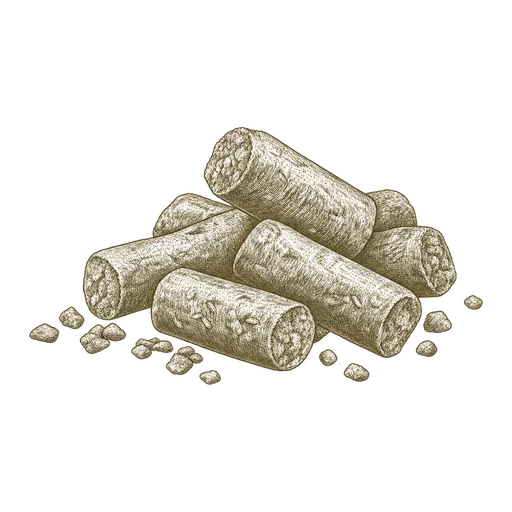
Explore ingredientAlfalfa pellets are ground, compressed forage used in livestock feeding and compound feeds. Compare the drying process, alfalfa material, forage analysis and pellet characteristics to choose a form that fits your ration and receiving setup.
Explore ingredientAlmond hulls are the dried outer layer of the almond fruit, sourced for ruminant feed as hull-only material or as a hull-and-shell mixture. Compare the lot’s composition, physical form, and handling needs before arranging a bulk shipment.
Explore ingredient