Grains
Alfalfa
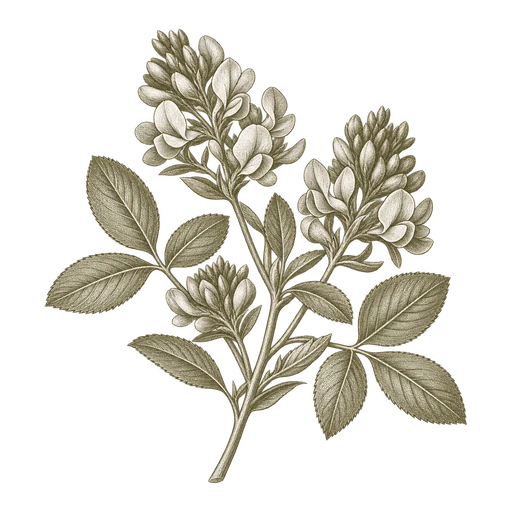
Alfalfa is a forage legume sourced as hay, silage, meal or pellets for livestock feed. Match the form to receiving and ration needs, then compare a lot-specific analysis on a consistent basis.
Explore ingredientCompare beet molasses reports on a common analytical basis. Learn what moisture, dry matter, sugars, Brix and density each measure, and when protein, ash and minerals matter to a feed formulation.
A beet molasses analysis is only comparable with another report when you know what each value measures and how it is expressed. Begin with moisture or dry matter, then check whether sugars and other nutrients are reported as received or on a dry-matter basis. The basis changes the apparent concentration: a value reported as received includes the water in the sample, while a dry-matter value excludes it.
Moisture and dry matter describe complementary parts of the same sample. When moisture is reported as a percentage, dry matter is the remainder to 100%. This relationship is useful for checking whether figures on one report are internally consistent, but it does not make results comparable if the samples, test methods or reporting bases differ.
For a fair comparison, record the reported value, unit, basis, test method when provided, and lot or sample identification. If one report gives sugars as received and another gives them on a dry-matter basis, do not compare the numbers directly. Ask for the results on a common basis or use the stated moisture to convert them. Keep the original figures and the conversion visible so a formulator can follow the comparison.
“Total sugars” is not a complete description of an analytical result by itself. The report should identify the units and, where available, the analytical method or definition used. Different methods can measure or calculate sugar fractions differently, so two values carrying the same label may not represent precisely the same test.
Check whether the value is reported on an as-received or dry-matter basis, and whether the report names a particular sugar fraction or a total. Avoid treating an unlabeled number as a guaranteed formulation value. If an offer includes an analysis, compare its stated result with the buyer’s required specification and the intended ration calculation; do not substitute a general reference figure for a current lot result.
Sugar concentration can help describe the ingredient’s contribution to a ration, but it does not tell the whole story. Moisture affects how much dry ingredient is delivered per unit of wet material, while the rest of the analysis may matter to nutrient balancing. A nutritionist should evaluate the values together rather than use a single sugar figure as a proxy for overall feed value.
Brix is a soluble-solids reading expressed on a sucrose-equivalent scale. It is useful as a measure related to concentration, but beet molasses contains dissolved materials besides sugars. As a result, a Brix reading should not automatically be read as the percentage of total sugars or treated as a direct replacement for a laboratory sugar analysis.
Density describes mass per unit of volume. It can help characterize a liquid and inform handling calculations, but it is not the same measurement as Brix or a direct determination of sugar composition. A density figure also needs its units and measurement conditions to be useful; temperature can affect liquid density and the interpretation of readings.
When a supplier reports Brix or density, treat it as a separate physical or concentration-related measure. Ask what instrument or method was used, the reporting units and any stated measurement conditions. Use it for the purpose it supports—such as comparing comparable liquid readings—not as a substitute for dry matter, total sugars or a feed analysis.
Soluble protein, ash and mineral results can add important formulation context. Soluble protein may contribute to the feed’s nitrogen profile, so the reported value and method matter when a nutritionist is balancing a ration. Check whether the report identifies the analytical measure clearly rather than assuming that a general protein figure describes soluble protein.
Ash represents the inorganic residue measured in an analysis. It is not a single mineral value. If mineral balance is important to the formulation, individual mineral results provide more specific information than ash alone. Their relevance depends on the full ration and the intended use, so interpret them alongside other feed ingredients rather than in isolation.
For each of these measures, compare like with like: same units, same reporting basis and sufficiently clear test descriptions. When a result is missing, that is a reason to identify the needed analysis before relying on the value in a formulation—not a reason to infer a concentration from Brix, density or an unrelated report.
A practical comparison sheet can keep the decision focused: list moisture or dry matter, total sugars, analytical basis, method where available, and any soluble protein, ash or mineral measures required by the ration. Record Brix and density separately, with their units and measurement conditions. Note the sample or lot identifier and the date associated with each report so the figures remain tied to the material being evaluated.
Before accepting a result for formulation, check that the analysis represents the offered lot and that it meets the buyer’s specified method and basis. Exact values and documentation are supplier- and lot-dependent; use current lot documentation rather than reference averages. Once the analysis requirements are clear, visit the Beet Molasses ingredient page to source the product and communicate the required measures, form, quantity and destination.
No. Brix is a soluble-solids reading on a sucrose-equivalent scale, and dissolved non-sugar materials in molasses can contribute to the reading. Use a stated sugar analysis to compare sugar results.
First identify whether each value is reported as received or on a dry-matter basis, along with its units and method. Convert or request results on a common basis using the reported moisture, and keep the original results with the comparison.
No. Density describes mass per volume, not sugar composition or the ingredient’s full nutrient profile. Keep density separate from dry matter, sugars, protein, ash and mineral results.
Focused guides to the specification, application, and delivery questions behind this ingredient.
Plan beet molasses pumping, storage and dilution around viscosity, cold-related flow challenges and the fermentation risk of diluted product.
Read this InsightBeet molasses can help feed particles adhere and reduce loose dust, but its usefulness as a pellet binder depends on liquid distribution, metering and the production line. Evaluate those process needs separately from its role as a source of feed energy.
Read this InsightAlfalfa is a forage legume sourced as hay, silage, meal or pellets for livestock feed. Match the form to receiving and ration needs, then compare a lot-specific analysis on a consistent basis.
Explore ingredientAlfalfa meal is ground forage used in animal feed, with sun-cured and dehydrated processing routes and meal or pellet forms. Compare the offered process, physical form and analysis against the needs of the species and feed formulation.
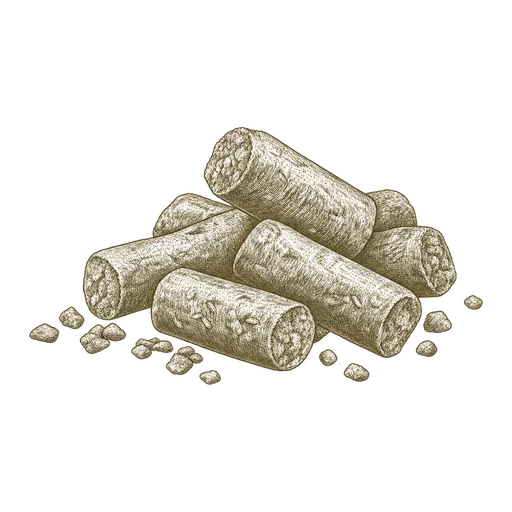
Explore ingredientAlfalfa pellets are ground, compressed forage used in livestock feeding and compound feeds. Compare the drying process, alfalfa material, forage analysis and pellet characteristics to choose a form that fits your ration and receiving setup.
Explore ingredientAlmond hulls are the dried outer layer of the almond fruit, sourced for ruminant feed as hull-only material or as a hull-and-shell mixture. Compare the lot’s composition, physical form, and handling needs before arranging a bulk shipment.
Explore ingredient