Ruminant feed formulation draws on ingredients with different functions—not interchangeable feedstuffs. This collection includes cereal grains such as cracked corn and white milo, protein meal such as soybean meal, and fibrous co-products including soy hulls, almond hulls and peanut hulls. Other items, including tomato pomace and produce co-products, require attention to exact identity, form and analysis. Ingredient names alone do not establish ration suitability or availability.
Almond hulls are the dried outer layer of the almond fruit, sourced for ruminant feed as hull-only material or as a hull-and-shell mixture. Compare the lot’s composition, physical form, and handling needs before arranging a bulk shipment.
Beet molasses is a viscous, sugar-rich by-product used in animal feed for energy, palatability, binding and dust control. Compare the product stream and analysis, then match liquid handling and receiving plans to your facility.
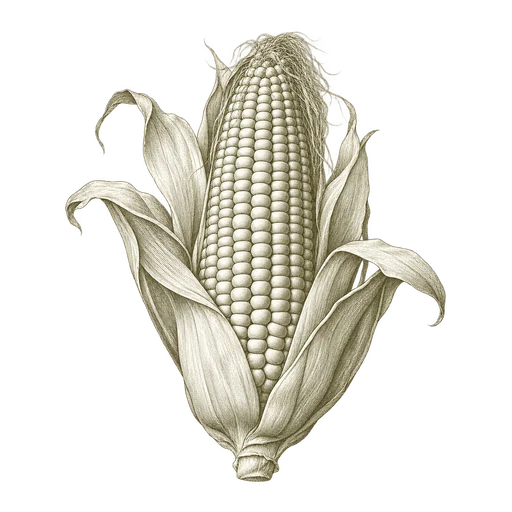
Cracked corn is mechanically broken corn grain used as an energy ingredient in livestock feed. Compare particle size, fines and lot analysis with the ration and receiving system before arranging a bulk order.
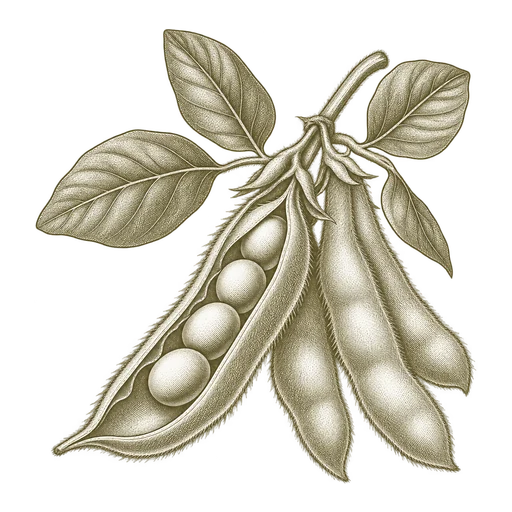
Great Northern beans are mature edible beans sourced as a food ingredient, most commonly specified as whole and dry for hydration and cooking. Distinguish them from canned beans and cull material, and compare lot analyses on a clearly stated basis.
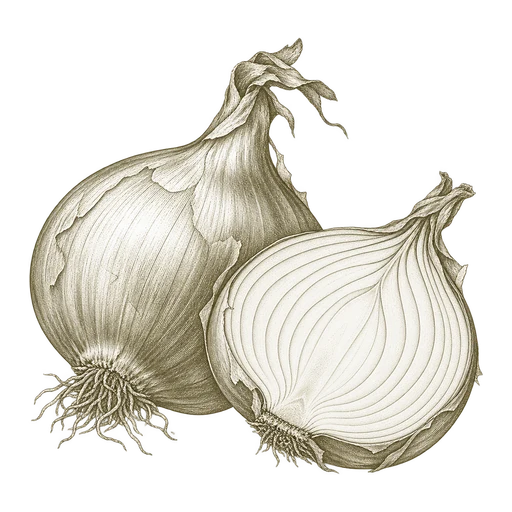
Cull onions are water-rich bulbs rejected from the fresh market, with feed-use evidence specific to particular forms and livestock trials. Compare form, moisture, condition and intended species before arranging a bulk order.
Peanut hull pellets are a processed peanut-shell by-product used as high-fiber roughage in beef cattle rations. Compare lot analysis and pellet characteristics, since processing changes effective fiber and the right role depends on the complete ration.
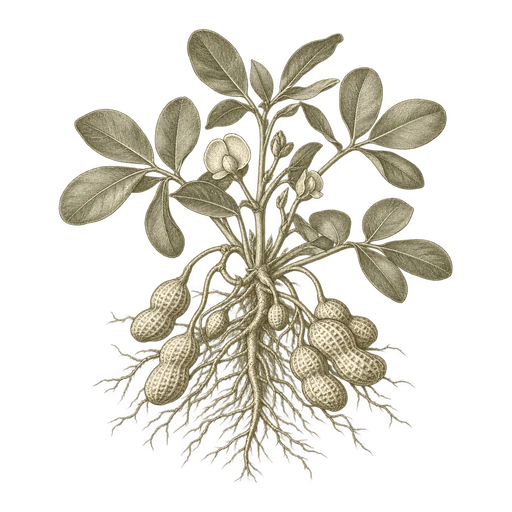
Peanut hulls are bulky, fiber-rich peanut shells used in some cattle roughage and concentrate formulations. Compare whole versus processed form and review the offered lot’s analysis, intended use and receiving requirements before arranging a bulk order.
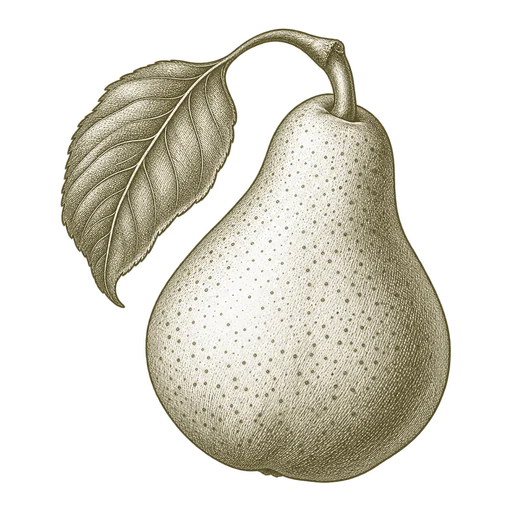
Pears are sourced as whole fresh fruit and as distinct processing products such as pulp, pomace and silage. Identify the form and intended use first: fresh-fruit maturity and handling requirements differ from feed-by-product analysis, receiving and storage needs.
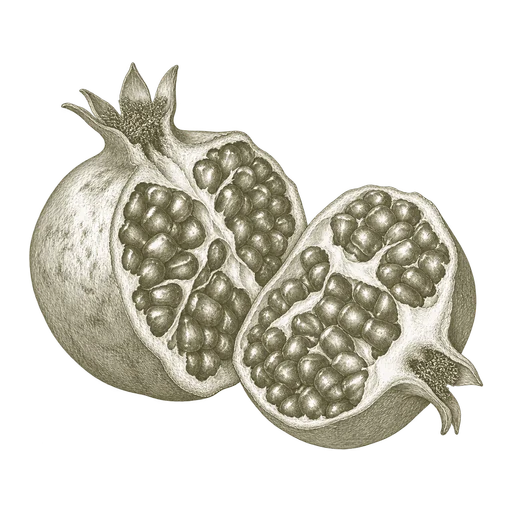
Pomegranate feed by-products can be fresh, dried or ensiled, with composition shaped by the fruit parts and processing. Identify the exact material and compare its moisture basis and analysis before evaluating it for a ruminant ration.
Safflower is an oilseed sold as whole seed, oil and oil-extraction meal. For feed buyers, meal's hull content and extraction method shape its protein, fiber and residual oil profile, so compare the actual product analysis and intended use.
Soybean hulls are a digestible fiber energy feed used mainly in cattle rations. Source them loose or pelleted according to receiving needs, and compare current lot analysis and reporting basis before purchase.
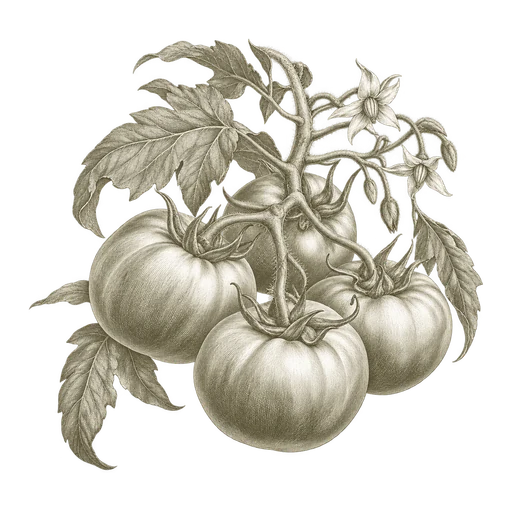
Tomato pomace is a variable tomato-processing residue used in livestock feed and, in dried form, some pet-food formulations. Compare wet, dried or ensiled material by its composition, moisture and intended use before arranging a bulk shipment.
White milo is white-class grain sorghum sold for feed and, when the lot meets end-user requirements, food processing. Compare whole and processed forms, grain condition, and the analysis and handling details your use requires.
Cracked corn and white milo are cereal grains; soybean meal is a protein supplement, while soy hulls are a fibrous energy ingredient. These materials are not interchangeable, and none should be treated as a complete ration or a substitute for forage and mineral balancing.
Almond hulls, peanut hulls and peanut hull pellets are co-products whose value depends on composition and form. Processing changes the effective-fiber characteristics of peanut hulls, so confirm whether the material is loose, ground or pelleted. Tomato pomace is another variable co-product; its form and handling history matter to ration decisions.
Check identity, analysis and handling
For bulk comparisons, request a lot-representative analysis covering moisture or dry matter, crude protein, fiber, energy estimate, fat, ash and relevant minerals. Check whether results are reported as-fed or on a dry-matter basis, and whether the analysis matches the exact form being offered. Reference feed values are not guaranteed lot specifications.
Beet molasses, safflower, pears and pomegranate should not be assigned a ration role from the name alone: establish the exact product identity, processing form and analysis before evaluating them. Keep moisture and storage conditions in view for co-products, since poor storage can affect quality.
Account for feed-specific risks
Ration fit depends on animal class, production stage, forage base and the whole diet. Cull onions require particular care because high dietary levels can cause toxicity; Great Northern beans have also been associated with adverse outcomes at higher inclusion. Neither should be treated as a casual ration addition. Have a ruminant nutritionist assess unfamiliar ingredients and their proposed use.
Common questions.
Are these ingredients interchangeable in a ruminant ration?+
No. Grains, protein supplements and fibrous co-products serve different roles. Evaluate each ingredient in the context of the forage base and the animals’ requirements.
What should I check on a bulk ingredient analysis?+
Confirm the exact ingredient and form, lot-representative results for moisture or dry matter, protein, fiber, energy estimate, fat, ash and relevant minerals, and whether values are as-fed or dry-matter basis.
Are peanut hulls and peanut hull pellets equivalent?+
No. Processing changes their effective-fiber characteristics. Verify the offered form and have its fit assessed in the ration.
Can cull onions or Great Northern beans be added without special review?+
No. High onion levels can cause toxicity, and higher inclusion of Great Northern beans has been associated with adverse outcomes. Obtain qualified ration review before considering either.
Ruminant feed formulation · BUYER INSIGHTS
Go deeper before you source.
Focused guides to the specification, application, and delivery questions behind this ingredient.