Grains
Alfalfa
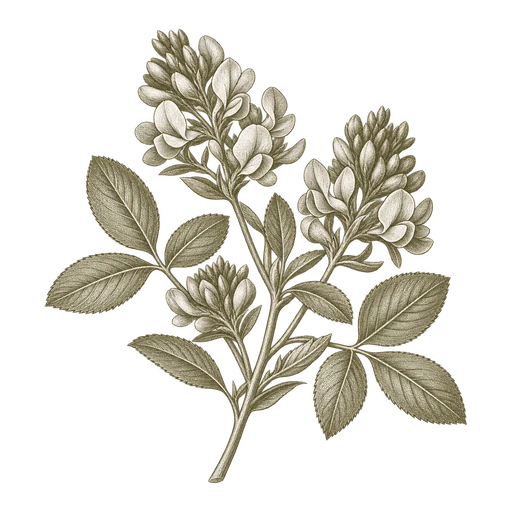
Alfalfa is a forage legume sourced as hay, silage, meal or pellets for livestock feed. Match the form to receiving and ration needs, then compare a lot-specific analysis on a consistent basis.
Explore ingredientPlan beet molasses pumping, storage and dilution around viscosity, cold-related flow challenges and the fermentation risk of diluted product.
Beet molasses is a dense liquid, so its viscosity affects how it moves through unloading lines, pumps, valves and metering equipment. Cold conditions can make flow more difficult. A receiving setup that handles a thinner liquid may not transfer beet molasses at the rate or consistency your process requires.
Start with the route the product will take: connection point, hose or fixed line, pump, storage tank and final metering point. Ask your equipment team whether the pump and line are appropriate for a viscous liquid, and whether bends, narrow sections or valves could restrict flow. Check that connections match the planned unloading arrangement and that the receiving vessel has enough usable capacity for the delivery.
Metering also deserves attention. If molasses is added continuously or in batches, determine how the equipment will maintain a consistent feed as viscosity and flow conditions change. The right setup depends on the product offer and facility; avoid relying on a pump or meter specification intended for a different liquid.
Temperature affects how readily beet molasses flows. In colder conditions, transfer can slow or become more difficult, which may affect unloading, tank movement and accurate metering. Consider the conditions the product and equipment will encounter between arrival, storage and use—not just the temperature at the point of unloading.
Before arranging a delivery, ask the supplier what handling limits apply to the specific offer, including any guidance on temperature management. Separately, have facility personnel determine whether their tank, lines and transfer equipment can maintain suitable flow without exceeding equipment or product limits. Do not assume that heating is required, that a particular temperature is appropriate, or that a supplier’s handling guidance will match every facility.
If the receiving site has seasonal operating constraints, include them in planning. A process that works during warm-weather operations may need a different schedule or equipment plan when ambient conditions are colder. The goal is to identify practical flow limitations before the delivery is underway.
Choose a storage arrangement that fits the amount received, the planned rate of use and the route to production. Confirm tank capacity, inlet access, outlet and metering connections, and how the tank will be inspected and cleaned. Keep the transfer path protected from contamination and unintended water entry; adding water changes the product and can create additional handling concerns.
Discuss storage conditions with the supplier for the particular beet molasses offer and with the facility team responsible for the tank. Agree on the applicable temperature and handling limits rather than assuming a universal storage temperature or storage life. Account for how the product will move from tank to point of use, especially if it must pass through lines or meters that are sensitive to viscosity.
A receiving plan should also identify who will monitor tank conditions and how the site will respond if flow slows or metering becomes inconsistent. That decision is operational: equipment, product characteristics and local conditions all contribute.
Adding water makes beet molasses less concentrated, but dilution also changes how the mixture should be managed. Diluted molasses can ferment, so it should not be treated as interchangeable with the undiluted product for storage planning. Fermentation risk makes preparation timing, clean equipment and prompt use important considerations.
If your process requires dilution, decide where it will happen, how much material will be prepared for immediate use and how the mixture will move to its point of application. Avoid preparing more diluted material than the operation can use promptly. Set the interval between dilution and use with guidance appropriate to the product and your process; do not assume a fixed holding period.
Keep dilution water and mixing equipment clean, and prevent the diluted material from sitting in a tank or line without a defined use plan. If the process requires holding diluted product, ask the supplier and facility quality or process personnel to establish suitable handling limits for that specific situation.
A useful quote request gives the broker enough information to consider the product and the delivery arrangement together. Specify that you need beet molasses, the quantity and unit, delivery destination and timing, and any product or quality requirements relevant to your process. Describe the receiving connection, unloading method and available tank capacity, including constraints that could affect transfer.
Ask which packaging or shipment arrangement is being offered rather than assuming a particular format. Request the handling guidance that applies to the specific offer, especially for temperature management and storage. Confirm who will provide any needed equipment or operating instructions; the receiving facility remains responsible for ensuring its system can unload and handle the product.
Once the site has defined its pumping, storage and dilution plan, visit the Beet Molasses ingredient page to prepare a sourcing inquiry. Sharing the receiving details at the outset can help align the product discussion with the facility’s actual ability to unload and use it.
Focused guides to the specification, application, and delivery questions behind this ingredient.
Beet molasses can help feed particles adhere and reduce loose dust, but its usefulness as a pellet binder depends on liquid distribution, metering and the production line. Evaluate those process needs separately from its role as a source of feed energy.
Read this InsightCompare beet molasses reports on a common analytical basis. Learn what moisture, dry matter, sugars, Brix and density each measure, and when protein, ash and minerals matter to a feed formulation.
Read this InsightAlfalfa is a forage legume sourced as hay, silage, meal or pellets for livestock feed. Match the form to receiving and ration needs, then compare a lot-specific analysis on a consistent basis.
Explore ingredientAlfalfa meal is ground forage used in animal feed, with sun-cured and dehydrated processing routes and meal or pellet forms. Compare the offered process, physical form and analysis against the needs of the species and feed formulation.
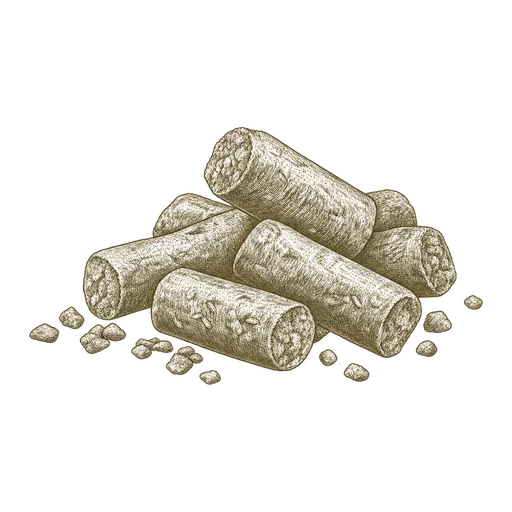
Explore ingredientAlfalfa pellets are ground, compressed forage used in livestock feeding and compound feeds. Compare the drying process, alfalfa material, forage analysis and pellet characteristics to choose a form that fits your ration and receiving setup.
Explore ingredientAlmond hulls are the dried outer layer of the almond fruit, sourced for ruminant feed as hull-only material or as a hull-and-shell mixture. Compare the lot’s composition, physical form, and handling needs before arranging a bulk shipment.
Explore ingredient