Grains
Alfalfa
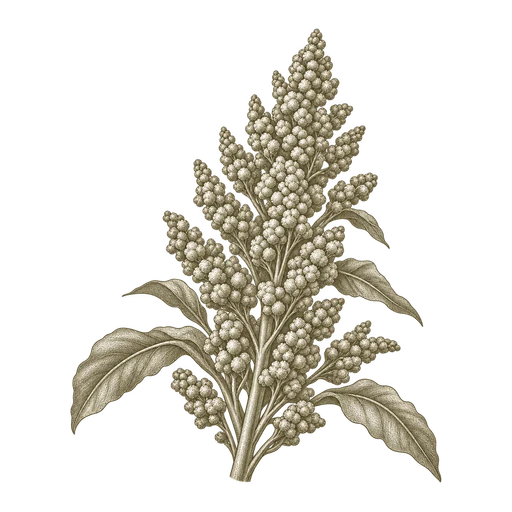
Alfalfa is a forage legume sourced as hay, silage, meal or pellets for livestock feed. Match the form to receiving and ration needs, then compare a lot-specific analysis on a consistent basis.
Explore ingredientIngredient testing is a quality-control topic spanning forage, seeds and pulses, oils and fats, yeast, and animal-derived meals. Because these products differ, buyers need test results and sampling details matched to the specific lot, product and intended use.
Alfalfa is a forage legume sourced as hay, silage, meal or pellets for livestock feed. Match the form to receiving and ration needs, then compare a lot-specific analysis on a consistent basis.
Explore ingredientAlfalfa meal is ground forage used in animal feed, with sun-cured and dehydrated processing routes and meal or pellet forms. Compare the offered process, physical form and analysis against the needs of the species and feed formulation.
Explore ingredientAmaranth can be sourced as grain, leaf meal or whole-plant forage, and those forms are not interchangeable in feed formulation. Specify the plant material, species and processing method, then compare lot analysis suited to the intended animal and use.
Explore ingredientAustrian winter peas are a field pea type supplied for uses including cover cropping, forage and livestock feed. Specify whether you need planting seed, dry grain, hay or silage, since each form serves a different purpose and has different quality considerations.
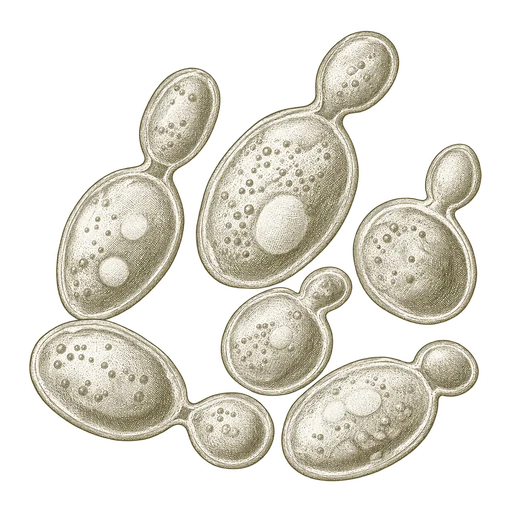
Explore ingredientBrewer’s yeast is a brewing-derived ingredient, but dried, liquid and further-processed yeast products are not interchangeable. Identify the intended use and exact form, then compare the lot analysis—especially crude protein for defined brewers dried yeast—before arranging a bulk order.
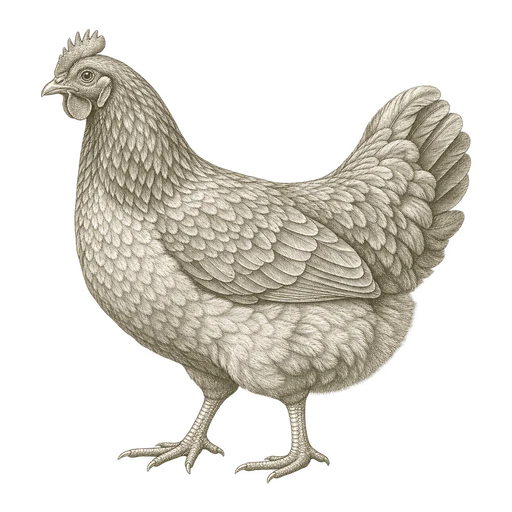
Explore ingredientChicken fat is a rendered or extracted poultry fat used in animal feed and pet food. Compare its processing description and lot analysis, then match packaging, receiving, and storage plans to the specific product and intended formulation.
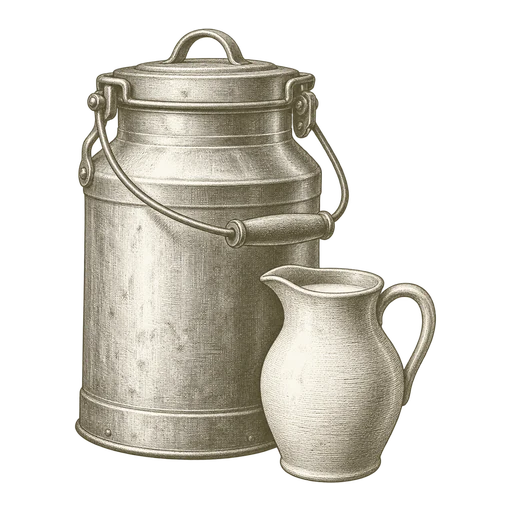
Explore ingredientBovine colostrum powder is a dried ingredient that can differ in IgG content, fat, lactose and processing. Compare the specific form, lot analysis and intended-use documentation before arranging a bulk order.
Explore ingredientFaba beans are grain-legume seeds used in food and feed, supplied in forms ranging from whole or split seed to milled and more highly processed ingredients. Choose by intended use and form, then compare the relevant lot analysis and handling needs.
Explore ingredientFlaxseed oil is a liquid oil extracted from flaxseed and valued for its ALA content. Bulk buyers should distinguish edible, feed and industrial grades, compare extraction and oxidation measures, and plan packaging and storage to limit light exposure.
Explore ingredientMeat and bone meal is a rendered mammalian feed ingredient that contributes protein and bone-derived minerals. Compare its full lot analysis—not crude protein alone—and match the source, formulation needs and receiving arrangement to your operation.
Explore ingredientRaw pickouts most likely means raw peanut kernels or pieces separated during processing, but the name does not define a standard grade. Compare the offered kernel form, sorting criteria and lot-specific testing—especially aflatoxin—against the intended use and receiving plan.
Explore ingredientCommon vetch is sourced as feed seed or as forage for grazing, hay and silage. These forms have different quality and handling considerations; identify the species, intended use and relevant lot analysis before comparing bulk offers.
Explore ingredientA dairy processing ingredient for specified food or feed applications.
Explore ingredientIngredient testing covers products with very different physical forms and nutritional roles. This collection includes forage and forage meal such as alfalfa and alfalfa meal; seeds and pulses such as amaranth, Austrian winter peas and faba beans; flaxseed oil and chicken fat; brewer’s yeast; and meat and bone meal. Their differences mean a single standard panel cannot describe every member.
Forage analysis often includes moisture or dry matter, crude protein, neutral detergent fiber (NDF) and acid detergent fiber (ADF). Those fiber measures are forage-specific tools, not a universal checklist for seeds, oils, yeast or animal-derived meals. For other ingredients, select tests according to the formulation question, intended use and relevant product risks.
A number is useful only when its basis and method are clear. Check whether results are reported as-fed or on a dry-matter basis, and note the units, analytical method and laboratory. For forage, values such as total digestible nutrients or relative feed value can be calculated from fiber measurements; distinguish estimates from directly measured results.
A certificate of analysis should identify the lot it represents and provide sampling and test details. Ingredient nutrient content can differ from reference-table averages, so a generic analysis may not answer a specific formulation need. Requirements also vary by species and intended use; feed-focused guidance should not be treated as a specification for food applications.
Laboratory results describe the sample received, not automatically the entire shipment. Ask how the sample was collected, when it was taken and whether it represents the offered lot. Sampling procedures differ by material: forage bales, bulk ingredients and bagged products do not share one universal protocol.
When a result seems unexpected, first review the sample, analytical basis and method before changing a formulation. If a major decision depends on the result, a new representative sample or a confirmatory analysis can help distinguish a true lot difference from a sampling or testing issue.
No. Forage measures such as NDF and ADF are not a universal panel for seeds, oils, yeast or animal-derived meals. Match tests to the product and intended use.
Check which lot the result represents, the sampling date and method, the analytical method, units, and whether values are reported as-fed or on a dry-matter basis. For forage, also distinguish measured values from calculated estimates.
Not by itself. The document should identify the relevant lot, and the sample must represent that lot. Ask how and when sampling was done.
Review the sampling, method and reporting basis first. If the result will drive a significant decision, consider retesting a new representative sample before changing the formulation.
Focused guides to the specification, application, and delivery questions behind this ingredient.
Before arranging whey permeate delivery, match the offered form and packaging to your receiving equipment, storage capacity and site schedule. Confirm handling guidance and shipment documents for the specific product before dispatch.
Read this InsightWhey permeate can contribute lactose and minerals to a swine ration, but its role depends on pig stage, product analysis, form, and the rest of the formula. See the formulation questions buyers and nutritionists should resolve before sourcing.
Read this InsightCompare whey permeate by its reporting basis, analytical methods and intended grade—not by headline values alone. Learn how lactose, ash, moisture, protein and powder characteristics inform a specification review.
Read this InsightBulk vetch receiving depends on whether the shipment is seed, baled hay, silage or mixed forage. Match the product form to unloading equipment, packaging and storage conditions before arranging delivery.
Read this InsightCommon-vetch seed formulation depends on the exact product, processing, lot analysis and intended animal group. Learn what to clarify with a nutrition professional before sourcing.
Read this InsightA practical guide to interpreting moisture, protein, fiber and selected antinutritional-factor tests when evaluating common vetch seed for feed.
Read this Insight