A dry, ground ingredient
Rendering and grinding produce a meal form that can be incorporated into formulated animal foods. The actual packaging and receiving arrangement still need to match the offered product.
Ingredient intelligence · quote-ready sourcing
Chicken meal is a dry-rendered, ground chicken ingredient used as a protein component in formulated animal foods. Compare its exact ingredient identity, full analysis and analytical basis, then match the offered lot and receiving arrangement to the intended formulation.
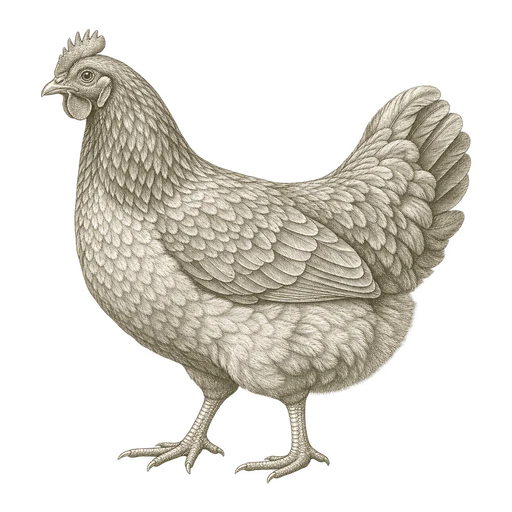
Chicken meal is made by dry-rendering clean chicken flesh and skin, with or without bone. Rendering removes most water and fat; the material is then ground into a dry meal for use in animal-food formulations.
The ingredient name is an important identity check. Poultry meal and chicken by-product meal are separate identities, not alternate names for chicken meal. Composition also varies with raw material and processing, so the name alone does not define a complete nutritional profile.
Rendering and grinding produce a meal form that can be incorporated into formulated animal foods. The actual packaging and receiving arrangement still need to match the offered product.
Crude protein gives one measure of the ingredient, while moisture, fat, ash and amino-acid data provide additional context. Reviewing these together helps a formulator assess the meal’s role more accurately.
Bone contribution affects ash and mineral composition. Ash, calcium and phosphorus results can therefore help distinguish material characteristics that a crude-protein figure alone does not describe.
| Characteristic | Why it matters |
|---|---|
| Ingredient identity | Distinguishes chicken meal from poultry meal and chicken by-product meal. |
| Crude protein | Provides one measure for comparing the ingredient’s protein contribution. |
| Moisture and fat | Help describe the analyzed material and support consistent comparisons. |
| Ash, calcium and phosphorus | Add context about mineral composition and bone contribution. |
| Amino-acid data | Can provide formulation context beyond crude protein alone. |
| Analytical basis and methods | Show how results were reported and whether two analyses can be compared. |
No universal offered values are specified here. Published measurements for particular samples are not guaranteed specifications for commercial chicken meal.
Chicken meal is used as a protein ingredient in animal-food formulations. Its dry, ground form can be blended with other ingredients, but the appropriate role depends on the complete formulation and the meal’s actual analysis. A nutritionist should assess the intended species and life stage rather than treating chicken meal as universally suitable.
For a feed manufacturer, identity and analytical detail affect more than the protein number: ash and calcium/phosphorus help characterize mineral contribution, while amino-acid information adds context for formulation. Processing and analytical methods also matter when comparing offers or evaluating a change in ingredient source.
Ask for the current product specification and, when available, lot analysis. Check that the document identifies chicken meal rather than poultry meal or chicken by-product meal, and note the analytical basis and methods. These details make comparisons meaningful without treating a typical or research value as a guaranteed offer.
No single analysis establishes fit for every formula. The needed limits depend on the formulation, intended animal food and the role assigned to the ingredient. Set those requirements with the formulator before comparing delivered offers.
A useful bulk request specifies the ingredient identity, required analysis, quantity and unit, destination, timing, and packaging or receiving method. Those details help a broker evaluate the product and freight together. Packaging options, commercial terms and lot documentation depend on the actual offer.
The reviewed product information does not establish a universal package type, storage temperature, shelf life or transport protocol for chicken meal. Before ordering, obtain the handling and storage guidance for the offered lot and ensure the receiving facility can handle its packaging and unloading requirements.
Chicken meal can serve as a protein ingredient in formulated animal foods. Its role depends on the full formula and the actual analysis of the offered meal.
The dry, ground meal can be incorporated with other ingredients during feed formulation. Manufacturers should evaluate its analysis and physical form against their process and finished-product requirements.
Use in a diet requires review of the intended species and life stage by a qualified formulator. Do not infer a suitable inclusion rate or universal animal suitability from the ingredient name alone.
State that the required ingredient is chicken meal, then give the quantity and unit, destination and target timing. Include the quality measures needed so the offered product can be evaluated against the intended formulation.
Specify the packaging or receiving method your facility can handle, along with unloading constraints. Packaging and shipment arrangements depend on the actual offer, so these details are needed to assess how a delivery would be received.
Request handling and storage guidance for the offered lot rather than assuming a universal temperature, shelf life or storage protocol. Share relevant facility constraints and protect the material from moisture or contamination in accordance with the product-specific instructions.
Bison meal can mean rendered meat meal, meat-and-bone meal, or bone meal—distinct products with different composition and analysis needs. Define the ingredient type and intended use before comparing lot results or arranging a bulk shipment.
Explore ingredientBlood meal is dried, powdered blood used as a protein ingredient in formulated feed and as a concentrated nitrogen fertilizer. Source, processing and intended use shape which analysis and handling details matter in a bulk purchase.
Explore ingredientBone meal is dried, ground animal bone used as a mineral-bearing ingredient in feed and pet-food formulations. Compare cooked and steamed forms, source species, and calcium and phosphorus analysis to identify the material that fits the intended use.
Explore ingredientBovine plasma is a blood-derived ingredient supplied in liquid, concentrated or spray-dried form. Buyers sourcing it for livestock diets or pet-food formulations should compare species origin, processing, analysis and intended use, then match the product form to their receiving and storage setup.
Explore ingredientNo. Chicken meal identifies chicken as the source. Poultry meal is a distinct, broader ingredient identity, and chicken by-product meal is different as well. Compare the precise ingredient name on the offer and its specification.
Start with ingredient identity, crude protein, moisture, fat and ash; calcium, phosphorus and amino-acid data can add formulation context. Compare results on the same analytical basis and review the methods and lot documentation.
The offered product and analysis, quantity, destination, timing, packaging and freight all affect a delivered quote. Provide those details with your request; price and terms depend on the specific offer.
Send your volume, destination, and key specifications. A broker can follow up with availability and commercial terms.


