Grains
Alfalfa
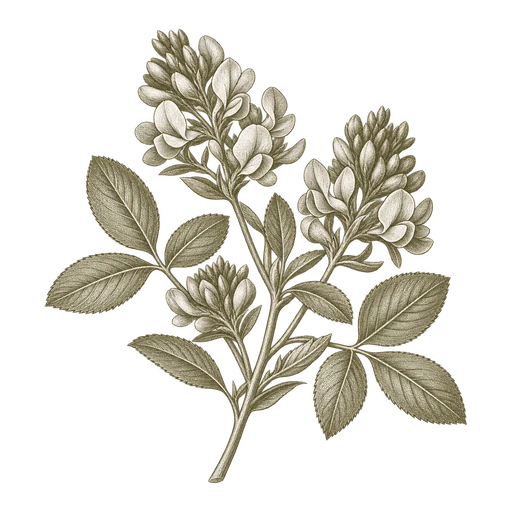
Alfalfa is a forage legume sourced as hay, silage, meal or pellets for livestock feed. Match the form to receiving and ration needs, then compare a lot-specific analysis on a consistent basis.
Explore ingredientPlan a bulk soybean order around the exact product form, receiving equipment and storage conditions your facility can support. Define the quantity, destination and timing, then confirm the handling and commercial details for the specific offer.
A bulk soybean order starts with a clear product identity. State whether you need whole soybeans or a derivative such as soybean meal or soybean oil. These products differ in physical form and handling needs: a facility equipped to receive whole beans may not be set up for a meal or liquid oil. If you need beans that have been processed in a particular way, name that form rather than relying on “soybeans” alone.
Then state the quantity and unit you want quoted, the delivery destination and the timing your operation can accept. Give the full receiving location and note any scheduling windows or site restrictions that could affect delivery. These details let a broker assess the request against the specific offer and its transportation arrangements.
Describe how the facility can receive the offered form. For whole beans, explain whether the site is equipped for the proposed bulk unloading method or requires packaged material. For meal or another derivative, identify the receiving equipment and transfer method that can handle that product. Do not assume that a particular packaging or shipment format is available; ask for the offer-specific arrangement and whether it fits your equipment.
Consider the full path from vehicle or package to storage: access to the unloading point, transfer equipment, staff availability, operating hours and any site rules. If a load cannot be received or unloaded as planned, it can disrupt production and create avoidable handling problems. Share facility constraints before accepting an arrangement, especially when the delivery location has limited access or a defined receiving schedule.
Storage conditions should match the offered product, its condition on arrival and the length and environment of the planned holding period. Whole soybeans are seed material; soybean meal and oil have different physical properties and should not be treated as interchangeable storage products. Ask what condition and handling guidance apply to the specific lot, then compare that guidance with your storage equipment and operating plan.
For whole beans, protect stored material from unwanted moisture and contamination. Water intrusion or condensation can create localized damp areas, while residues from previous contents or contact with other materials can compromise product cleanliness. Inspect receiving and storage spaces before arrival, keep them clean and dry, and have a plan to identify and address damaged or visibly contaminated material. The appropriate moisture criteria and storage limits depend on the offered product and should be established from its specifications and handling guidance, not assumed from a generic rule.
Plan for the conditions at your facility, including exposure to weather during unloading and the way material moves into storage. If your storage system has temperature, ventilation or monitoring practices, compare them with the supplier’s product-specific recommendations. Do not infer a shelf life or storage limit without information for the lot and conditions involved.
Ask for the product description and applicable quality information for the offer. For whole beans, the relevant details may differ from those for meal or oil, so the documents and measurements should identify the actual product and explain the basis used. Moisture information is particularly relevant to storage planning; other quality requirements should reflect your intended use and the requirements of your facility.
Packaging, quantity basis, delivery timing, freight, unloading responsibilities and any special handling arrangements are offer-specific commercial details. Have them stated clearly before committing, along with who is responsible for any equipment or access requirements at the receiving site. These details cannot be inferred from the ingredient name alone.
Before requesting a quote, assemble the product form, quantity and unit, destination, preferred timing, receiving method and storage plan. Add site access limitations, unload equipment, operating hours and any product-quality requirements that affect acceptance. This gives a broker the information needed to identify a suitable offer and surface handling questions early.
Use the [soybeans page](/ingredients/soybeans) to make a sourcing request for bulk soybeans. Include whether you need whole beans or a derivative, and describe how your facility will receive and store it so the response can address the right product and delivery arrangement.
Specify whole beans or the required derivative, quantity and unit, delivery destination, timing, receiving method and facility constraints. Include storage-related quality requirements so the proposed product and handling plan can be evaluated together.
No. Whole soybeans and soybean meal are different physical products with different handling characteristics. Match storage and receiving equipment to the exact product offered, and use product-specific handling guidance rather than assuming the same arrangements work for both.
Confirm the offered product’s quality information and handling guidance, including moisture criteria and any applicable storage limits. Make sure your storage area and unloading plan protect the product from moisture intrusion, condensation and contamination; do not assume a shelf life or limit without product-specific information.
Focused guides to the specification, application, and delivery questions behind this ingredient.
Whole soybeans retain their oil, while soybean meal is the solid residue after oil extraction. That difference affects each ingredient’s role in a livestock ration, and whole beans also require attention to heat treatment. Compare the specific product and intended animal with a nutritionist before choosing a form.
Read this InsightLearn how raw, roasted and extruded whole soybeans differ, why both underprocessing and excessive heat matter, and how to interpret processing records and analysis for a defined feed use.
Read this InsightAlfalfa is a forage legume sourced as hay, silage, meal or pellets for livestock feed. Match the form to receiving and ration needs, then compare a lot-specific analysis on a consistent basis.
Explore ingredientAlfalfa meal is ground forage used in animal feed, with sun-cured and dehydrated processing routes and meal or pellet forms. Compare the offered process, physical form and analysis against the needs of the species and feed formulation.
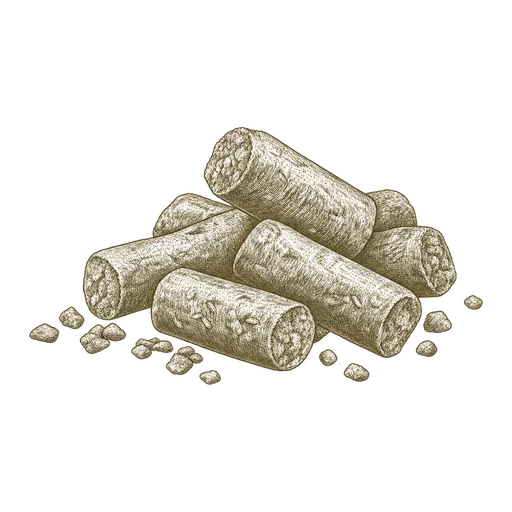
Explore ingredientAlfalfa pellets are ground, compressed forage used in livestock feeding and compound feeds. Compare the drying process, alfalfa material, forage analysis and pellet characteristics to choose a form that fits your ration and receiving setup.
Explore ingredientAlmond hulls are the dried outer layer of the almond fruit, sourced for ruminant feed as hull-only material or as a hull-and-shell mixture. Compare the lot’s composition, physical form, and handling needs before arranging a bulk shipment.
Explore ingredient