Grains
Alfalfa
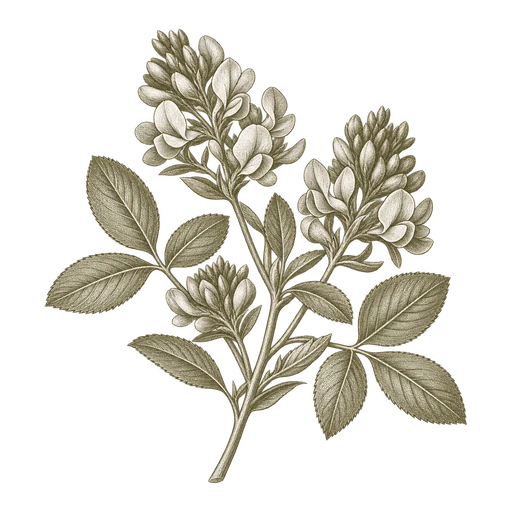
Alfalfa is a forage legume sourced as hay, silage, meal or pellets for livestock feed. Match the form to receiving and ration needs, then compare a lot-specific analysis on a consistent basis.
Explore ingredientLearn how raw, roasted and extruded whole soybeans differ, why both underprocessing and excessive heat matter, and how to interpret processing records and analysis for a defined feed use.
“Whole soybean” describes the ingredient; it does not tell you whether or how the beans were heat-treated. Raw whole soybeans have not undergone a deliberate heat-processing step. Roasted whole soybeans are treated with dry heat, while extruded whole soybeans pass through a process that combines heat with mechanical pressure and shear. Processing conditions and equipment vary, so these names alone do not establish the treatment achieved.
These products also differ from soybean meal. Whole beans retain their oil as well as their protein, whereas meal is produced after oil extraction. That distinction affects the ingredient’s nutrient contribution and how it fits a feed formulation. When comparing offers, establish both the physical product—whole beans, not meal—and its processing method.
Raw soybeans contain trypsin inhibitors, which can interfere with protein digestion, particularly in some monogastric feeding applications. Appropriate heat treatment reduces their activity. The required degree of treatment depends on the feed, species and formulation; a label such as “roasted” or “extruded” does not by itself show that a lot was processed sufficiently.
More heat is not automatically better. Excessive heating can reduce protein quality, including by making some amino acids less available through heat-related reactions. Underprocessing and overheating are therefore different quality concerns. Evaluation should consider process information alongside suitable analytical results and the intended use, rather than treating a single processing label or test as a complete verdict.
Ask what process was used and whether the records apply to the lot being offered. Useful details can include the equipment or method, the recorded processing conditions and how production lots are identified. Time and temperature may be part of those records, but there is no universal target to apply across all equipment, products and feed uses. Any threshold must be checked against current, use-specific requirements.
Analysis can help assess different parts of the question. Trypsin inhibitor activity is directly relevant to residual inhibitor activity. Urease activity is often used as an indicator of heat treatment, but it is not a direct measurement of trypsin inhibitors and should not be treated as a stand-alone measure of nutritional quality. Protein solubility or related protein-quality tests can add context when interpreted with the method used and the processing history.
A feed analysis can also describe the bean’s nutrient profile, including protein, fat, fiber and moisture. These results answer different questions from heat-treatment indicators: for example, oil content helps characterize whole beans, while moisture is relevant to storage and handling. Compare test results with the intended specification and use; avoid interpreting an isolated number without its method, basis and lot identity.
A meaningful evaluation begins with the animal and ration. Species, age or production stage, other protein ingredients and the role assigned to the beans can all affect what analysis matters. Requirements for one feed application should not be assumed to apply to another. Have the formulator or nutrition professional identify the relevant criteria before comparing test results.
For a proposed roasted or extruded product, ask whether the process description and available analysis support the intended use. For raw beans, do not assume that the whole-bean form makes them interchangeable with processed beans or soybean meal. The practical comparison is between a clearly defined ingredient, its nutrient contribution and the processing evidence relevant to the ration.
When requesting quotes, specify raw, roasted or extruded whole soybeans rather than asking for whole beans without a process definition. State the intended species and feed application, and identify the analysis or processing records your formulator needs to review. Request lot-linked results where available, with test methods and reporting basis identified so that comparisons are meaningful.
For buyers sourcing a defined whole-bean form, the [soybeans page](/ingredients/soybeans) is the natural starting point. A quote can be evaluated more effectively when it identifies the product form, processing description, quantity, destination and receiving needs. Availability and commercial details depend on the specific offer.
No. Roasting uses dry heat; extrusion combines heat with mechanical pressure and shear. Both describe processed whole beans, but the terms do not prove equivalent processing conditions or treatment results.
No single test answers every part of that question. Trypsin inhibitor activity measures residual inhibitor activity; urease activity is an indirect heat-treatment indicator, and protein-quality tests can add context about possible excessive heating. Interpret results with the process records, test method and intended feed use.
No. Processing equipment and conditions differ, and suitable criteria depend on the product and feed application. Use current, use-specific specifications rather than applying a universal temperature, time or analytical threshold.
Focused guides to the specification, application, and delivery questions behind this ingredient.
Plan a bulk soybean order around the exact product form, receiving equipment and storage conditions your facility can support. Define the quantity, destination and timing, then confirm the handling and commercial details for the specific offer.
Read this InsightWhole soybeans retain their oil, while soybean meal is the solid residue after oil extraction. That difference affects each ingredient’s role in a livestock ration, and whole beans also require attention to heat treatment. Compare the specific product and intended animal with a nutritionist before choosing a form.
Read this InsightAlfalfa is a forage legume sourced as hay, silage, meal or pellets for livestock feed. Match the form to receiving and ration needs, then compare a lot-specific analysis on a consistent basis.
Explore ingredientAlfalfa meal is ground forage used in animal feed, with sun-cured and dehydrated processing routes and meal or pellet forms. Compare the offered process, physical form and analysis against the needs of the species and feed formulation.
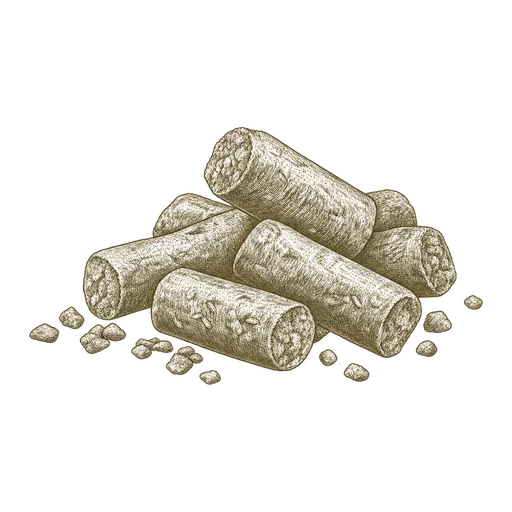
Explore ingredientAlfalfa pellets are ground, compressed forage used in livestock feeding and compound feeds. Compare the drying process, alfalfa material, forage analysis and pellet characteristics to choose a form that fits your ration and receiving setup.
Explore ingredientAlmond hulls are the dried outer layer of the almond fruit, sourced for ruminant feed as hull-only material or as a hull-and-shell mixture. Compare the lot’s composition, physical form, and handling needs before arranging a bulk shipment.
Explore ingredient