Independent sourcing. Better connections.Commercial buyers · Bulk ingredients
tag

Feed specifications

A buyer guide to the diverse bulk ingredients grouped under Feed specifications, emphasizing product identity, form, analysis basis and lot-specific documentation.

11 ingredients6 published Insights
EXPLORE THE COLLECTION

Feed specifications ingredients

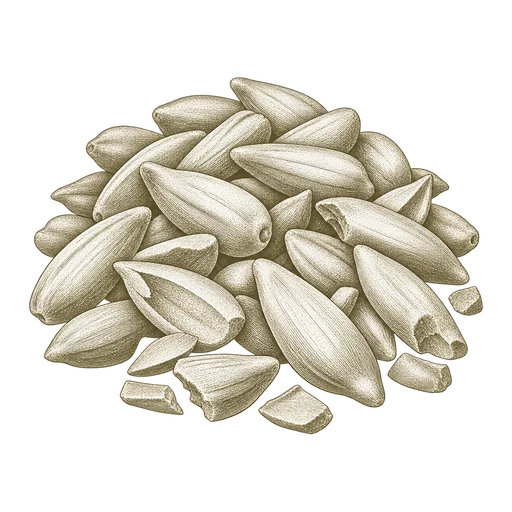
Sunflower Seeds

Premium Blend Chips

Premium Blend Chips is a product name, not a standardized ingredient identity. Establish its constituents, intended use, physical form, and lot analysis before evaluating feed applications or arranging a bulk shipment.

Explore ingredient
Millet

Red Proso

Red proso is red-seeded proso millet sold for markets that include feed and birdseed. Choose whole, cracked or ground grain to fit the end use, and compare lot-specific physical quality and analysis against the buyer’s requirements.

Explore ingredient
Feed Ingredients

Sorghum/Milo

Sorghum, also called milo, is a cereal grain used in livestock diets and some human foods. Compare whole, rolled or ground forms, physical grade measures and use-specific analysis to match the grain to your receiving system and formulation.

Explore ingredient
Feed Ingredients

Soy Hulls

Soybean hulls are a digestible fiber energy feed used mainly in cattle rations. Source them loose or pelleted according to receiving needs, and compare current lot analysis and reporting basis before purchase.

Explore ingredient
Pulses

Soybeans

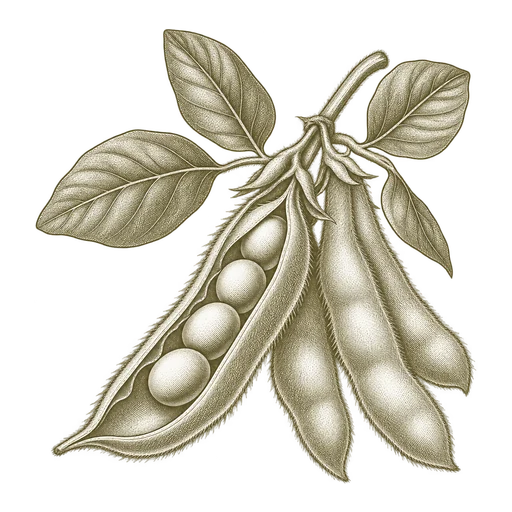
Soybeans are oilseeds sourced as whole beans or processed into distinct products such as soybean meal and oil. Identify the exact form and intended use first; heat treatment, analysis and grade matter when comparing lots for feed or food applications.

Explore ingredient
Dried Vegetables

Sweet Potato

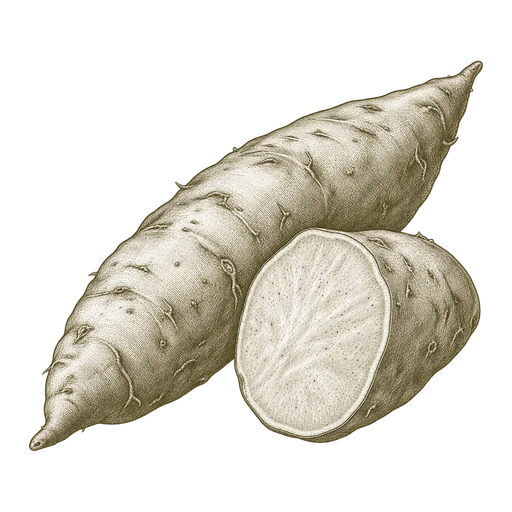
Sweet potato bulk materials include roots, vines and processing co-products. Identify the plant part, form and processing method first, then compare composition and handling needs for the intended food or feed use.

Explore ingredient
Starches/Fibers/Proteins

Tapioca Pellets

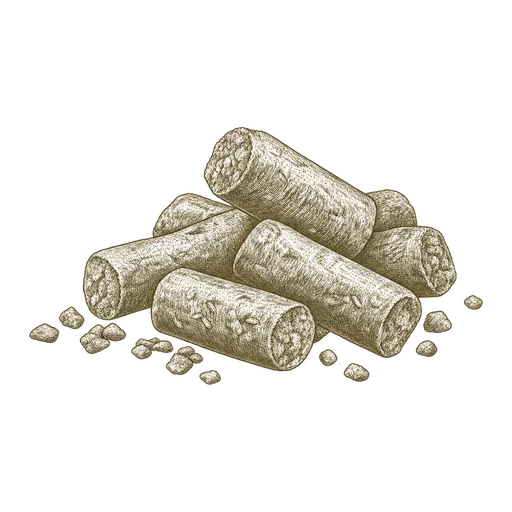
Tapioca pellets are a dried cassava-root feed ingredient used primarily as a carbohydrate and energy source in livestock rations. Their low protein content, variable composition and pellet-handling characteristics make ingredient identity, lot analysis and receiving equipment important parts of a bulk purchase.

Explore ingredient
Animal Products

Tuna Meal

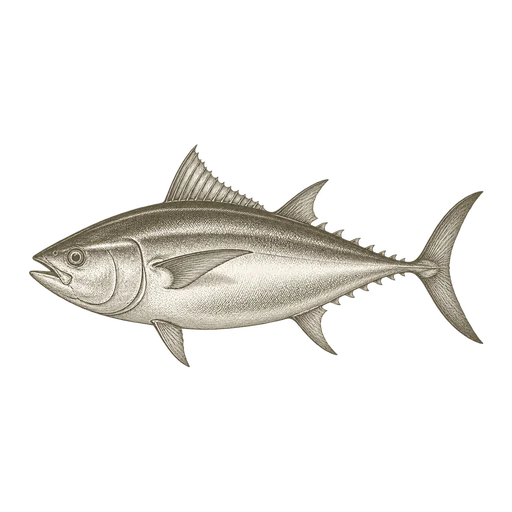
Tuna meal is a dried, ground fish ingredient used in feed formulations, including aquaculture diets. Its raw materials, processing, composition and physical form can differ, so compare lot analysis and handling requirements before arranging a bulk order.

Explore ingredient
Pulses

Vetch

Common vetch is sourced as feed seed or as forage for grazing, hay and silage. These forms have different quality and handling considerations; identify the species, intended use and relevant lot analysis before comparing bulk offers.

Explore ingredient
Starches/Fibers/Proteins

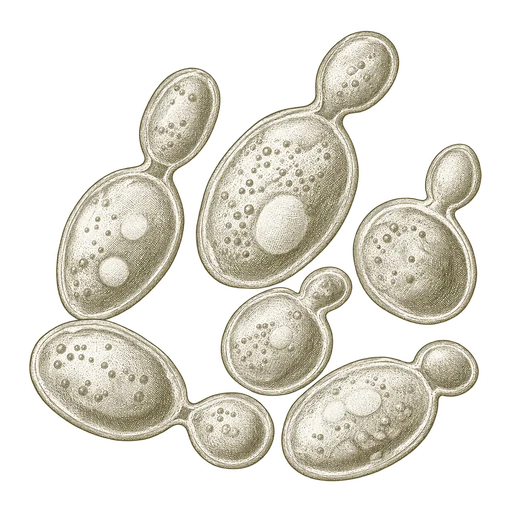
Yeast

Feed yeast covers distinct whole-cell, live, culture, extract, and cell-wall products. Compare source, processing, viability, and nutrient analysis to choose the form that fits an animal-feed formulation and bulk receiving plan.

Explore ingredient

What feed specifications cover

This collection brings together bulk ingredients with different identities and forms—not one standardized feed or a set of interchangeable products. It includes grains such as Sorghum/Milo and Red Proso; soy products including Soybeans, Soybean Meal and Soy Hulls; and ingredients such as Tapioca Pellets, Sweet Potato, Tuna Meal, Vetch, Yeast and Premium Blend Chips. A name alone does not establish composition, processing or suitability for a particular animal or ration.

The practical value of a feed specification is to show exactly what is being purchased and how its characteristics fit the intended formulation. Confirm the ingredient identity, physical form and processing before comparing analyses or prices.

Compare like with like

Whole soybeans, soybean meal and soy hulls are distinct products, not alternate names for the same ingredient. Their nutrient profiles differ, so compare the exact product and check whether reported values are on an as-fed or dry-matter basis. Sorghum/Milo is a grain; its applicable grain measures differ from those used for meals or pellets. Do not apply a grain-storage figure to other forms.

Some names need more detail to assess: ask what is in Premium Blend Chips, what form of Red Proso is offered, and the species or processing behind Vetch and Yeast. For Sweet Potato and Tapioca Pellets, establish the processed form and composition. Tuna Meal’s name does not by itself establish species, process or nutrient profile.

What to verify before buying

Request a current lot analysis and identify its analytical basis, sampling date and method. Match the requested measures to the ingredient: grain buyers may need moisture and grade information; soy-product buyers should distinguish protein meal from hulls or whole beans; buyers evaluating fish-derived meal should review relevant freshness, oxidation and contaminant information. Treat typical reference values as context, not a lot guarantee.

Confirm the intended species and feed context with the formulator or nutrition professional. Vetch requires particular identity care: evidence about hairy vetch should not be assumed to apply to every product labeled vetch. Clarify any lot-specific commercial terms and documentation as part of the purchase.

Common questions.

Are soybean meal, soy hulls and whole soybeans interchangeable?+

No. They are different products with distinct nutrient profiles. Confirm the exact form and compare analysis on the same reporting basis.

What should a bulk feed ingredient analysis include?+

Start with the ingredient’s identity and form, then request current lot results relevant to that product, with the sampling date, method and as-fed or dry-matter basis stated.

Can the name alone confirm an ingredient’s feed suitability?+

No. Names such as Premium Blend Chips, Yeast or Vetch may need clarification of components, species, form or processing. Confirm suitability for the intended animal and ration.

Do typical nutrient values guarantee what a delivered lot contains?+

No. Typical values are reference information, not a guarantee for a particular lot. Use current lot-specific documentation to evaluate the offered material.

Feed specifications · BUYER INSIGHTS

Go deeper before you source.

Focused guides to the specification, application, and delivery questions behind this ingredient.

FIELD GUIDE01Feed specifications
Buyer’s guide

Planning bulk yeast feed storage and receiving

Bulk feed yeast receiving depends on the offered form. Dry inactive yeast, live dry products, liquids and extracts require product-specific packaging, unloading and storage planning—especially when a live product carries a viability guarantee.

Read this Insight
FIELD GUIDE02Feed specifications
Buyer’s guide

Live yeast or inactive yeast: feed formulation questions

Live and inactive yeast answer different feed-formulation needs. Compare viability for products intended to supply live cells, and product identity and nutrient composition for inactive yeast ingredients.

Read this Insight
FIELD GUIDE03Feed specifications
Buyer’s guide

How to compare feed yeast specifications and product identity

Feed yeast specifications are meaningful only when product identity is clear. Compare source, organism, processing, activity status, and analytical basis before using protein, viable-cell, or functional-component measures to evaluate bulk offers.

Read this Insight
FIELD GUIDE04Feed specifications
Buyer’s guide

Bulk vetch receiving and storage: seed, hay or silage?

Bulk vetch receiving depends on whether the shipment is seed, baled hay, silage or mixed forage. Match the product form to unloading equipment, packaging and storage conditions before arranging delivery.

Read this Insight
FIELD GUIDE05Feed specifications
Buyer’s guide

Common vetch seed in animal feed: formulation questions

Common-vetch seed formulation depends on the exact product, processing, lot analysis and intended animal group. Learn what to clarify with a nutrition professional before sourcing.

Read this Insight
FIELD GUIDE06Feed specifications
Buyer’s guide

Common vetch seed quality: which tests matter for feed?

A practical guide to interpreting moisture, protein, fiber and selected antinutritional-factor tests when evaluating common vetch seed for feed.

Read this Insight