Independent sourcing. Better connections.Commercial buyers · Bulk ingredients
tag

Plant proteins

A collection spanning whole plant crops and processed protein ingredients. Compare exact form, intended-use grade, composition, and functional properties before sourcing in bulk.

6 ingredients6 published Insights
EXPLORE THE COLLECTION

Plant proteins ingredients

Seeds

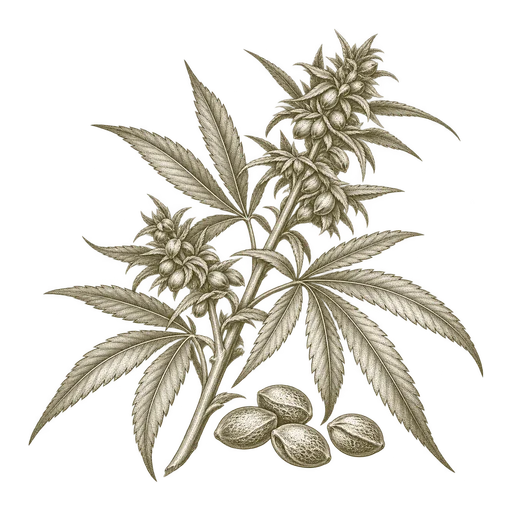
Hemp

Hemp covers distinct seed-derived ingredients, including hulled seed, oil, protein powder and press cake. Identify the plant part, processing and intended use first; for meal, compare a current lot analysis and its measurement basis.

Explore ingredient
Starches/Fibers/Proteins

Pea Protein

Pea protein is a pea-derived food ingredient sold as flour, concentrate, isolate or hydrolysate. Compare the form, protein measurement basis and application-relevant functional data to choose an ingredient for your formulation.

Explore ingredient
Starches/Fibers/Proteins

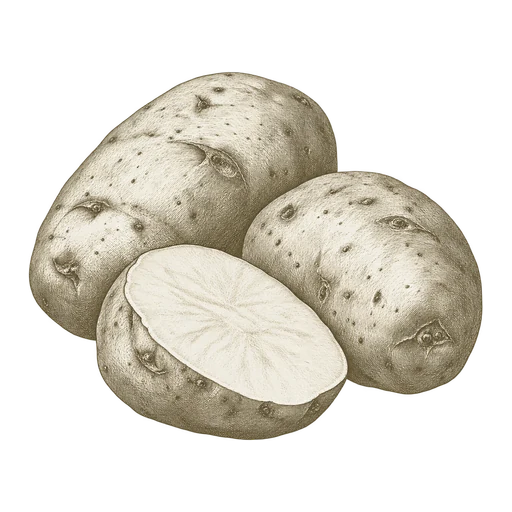
Potato Protein

Potato protein is recovered from potato starch-processing liquids and supplied in dried forms for feed or food applications. Processing affects composition and functionality, so compare the intended use, product analysis and relevant performance information before arranging a bulk order.

Explore ingredient
Starches/Fibers/Proteins

Rice Protein

Rice protein is a protein-rich ingredient extracted from rice-derived material and supplied as a powder. Compare feedstock, processing, protein reporting basis and solubility against the intended food or animal-food application.

Explore ingredient
Pulses

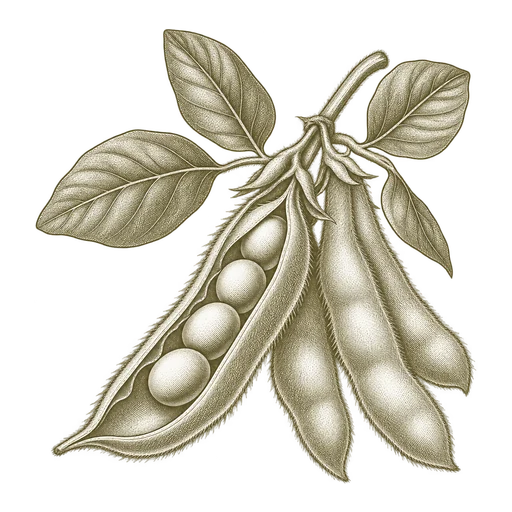
Soybeans

Soybeans are oilseeds sourced as whole beans or processed into distinct products such as soybean meal and oil. Identify the exact form and intended use first; heat treatment, analysis and grade matter when comparing lots for feed or food applications.

Explore ingredient
Starches/Fibers/Proteins

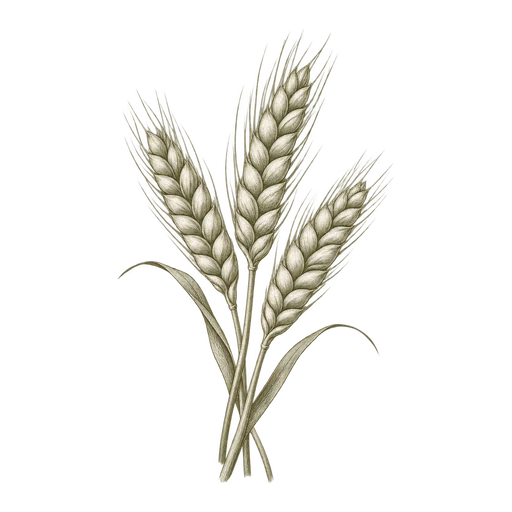
Vital Wheat Gluten

Vital wheat gluten is a dried wheat protein ingredient that develops an elastic, cohesive structure when hydrated. Buyers use it in bread, pasta, meat analogues and some feed formulations; compare its functional properties and quality analysis against the process before choosing a bulk product.

Explore ingredient

A varied collection of plant proteins

Plant proteins is a broad sourcing category, not a single ingredient with a shared specification. Its members include whole crops such as Soybeans and processed protein ingredients such as Pea Protein, Potato Protein, Rice Protein, and Vital Wheat Gluten. Hemp also covers distinct forms, including seed, dehulled hearts, and press cake or meal. These products are not interchangeable: crop identity and processing affect composition and how an ingredient behaves in a formulation.

Start with the exact form and intended use, rather than the category label. A whole seed or bean is different from an extracted protein ingredient, and the name alone does not establish grade, protein content, or suitability for a particular food or feed application.

Compare function as well as protein content

For food formulation, identify the performance the ingredient must deliver: for example, solubility, water or oil absorption, emulsification, gelling, viscosity, or elasticity. Vital Wheat Gluten has distinctive viscoelastic properties; other protein ingredients have different functional profiles, and processing can change those properties. Product-specific data and formulation trials are more useful than assuming that ingredients with similar protein claims will perform alike.

When comparing offers, request the exact ingredient form and intended-use grade, protein result with its reporting basis, moisture, and relevant fat, fiber, and ash values. Ask for test methods and a lot-specific certificate of analysis, plus functional data tied to your process. Confirm packaging, storage conditions, and shelf-life basis for the specific product. Food, feed, and pet-food suitability should be verified rather than inferred from the ingredient name.

Common questions.

Are whole soybeans and processed soy protein ingredients equivalent?+

No. Soybeans identifies a whole crop, while processed soy protein ingredients have undergone further processing. Specify the exact form you need.

How should I compare plant proteins for a food formulation?+

Define the required function, such as solubility, emulsification, gel formation, or elasticity, then compare product-specific functional data and test the ingredient in your process.

What information should a bulk protein specification include?+

Confirm the exact ingredient and form, intended-use grade, protein reporting basis, moisture, relevant composition values, test methods, and lot-specific certificate of analysis.

Can a food-grade plant protein automatically be used in feed or pet food?+

No. Confirm intended-use documentation and applicable requirements for the product and jurisdiction. Hemp feed use in particular can be subject to jurisdiction-specific restrictions.

Plant proteins · BUYER INSIGHTS

Go deeper before you source.

Focused guides to the specification, application, and delivery questions behind this ingredient.

FIELD GUIDE01Plant proteins
Buyer’s guide

Planning receipt and storage of bulk vital wheat gluten

Prepare to receive bulk vital wheat gluten powder by matching the offered packaging to your unloading equipment, protecting the ingredient from moisture and odors, and following the product-specific storage directions.

Read this Insight
FIELD GUIDE02Plant proteins
Buyer’s guide

Vital wheat gluten as a binder in aquaculture feed

Hydrated vital wheat gluten can contribute protein and binding in extruded fish feed, but pellet performance and nutritional suitability depend on the complete formulation and process.

Read this Insight
FIELD GUIDE03Plant proteins
Buyer’s guide

How to compare vital wheat gluten protein and functional tests

Protein results for vital wheat gluten are comparable only when the nitrogen conversion factor and reporting basis match. Learn how to interpret moisture, ash, particle size and water-binding tests against a defined use and a lot-specific specification.

Read this Insight
FIELD GUIDE04Plant proteins
Buyer’s guide

Planning receiving and storage for bulk soybeans

Plan a bulk soybean order around the exact product form, receiving equipment and storage conditions your facility can support. Define the quantity, destination and timing, then confirm the handling and commercial details for the specific offer.

Read this Insight
FIELD GUIDE05Plant proteins
Buyer’s guide

Whole soybeans versus soybean meal in livestock feed

Whole soybeans retain their oil, while soybean meal is the solid residue after oil extraction. That difference affects each ingredient’s role in a livestock ration, and whole beans also require attention to heat treatment. Compare the specific product and intended animal with a nutritionist before choosing a form.

Read this Insight
FIELD GUIDE06Plant proteins
Buyer’s guide

How to evaluate heat-treated whole soybeans for feed

Learn how raw, roasted and extruded whole soybeans differ, why both underprocessing and excessive heat matter, and how to interpret processing records and analysis for a defined feed use.

Read this Insight