Grains
Alfalfa
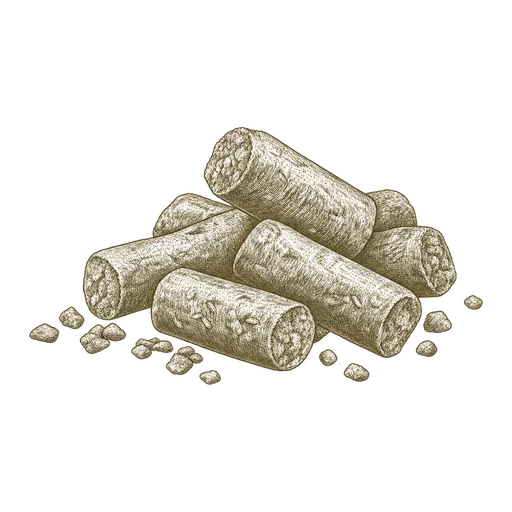
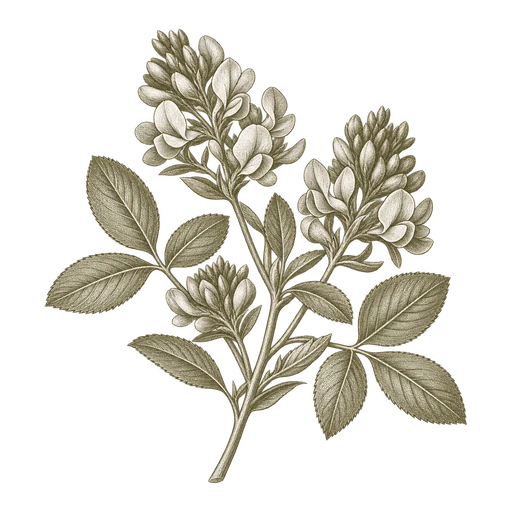
Alfalfa is a forage legume sourced as hay, silage, meal or pellets for livestock feed. Match the form to receiving and ration needs, then compare a lot-specific analysis on a consistent basis.
Explore ingredientWhole soybeans retain their oil, while soybean meal is the solid residue after oil extraction. That difference affects each ingredient’s role in a livestock ration, and whole beans also require attention to heat treatment. Compare the specific product and intended animal with a nutritionist before choosing a form.
Whole soybeans retain the seed’s oil along with its protein and other components. Soybean meal is the solid material left after oil is extracted, so its remaining oil content and composition differ from those of the intact bean. In a feed formulation, these are related ingredients, but they are not interchangeable on a one-for-one basis.
That distinction affects more than the ingredient name on a purchase order. Whole beans contribute both protein and oil; meal supplies protein with much of the seed oil removed. A formulator choosing between them must account for the rest of the ration, including its protein and energy sources.
Because whole soybeans retain their oil, they can contribute dietary fat as well as protein. This can be useful when a ration is designed to draw on both components from one ingredient, but it also changes how the ration’s total fat and energy are balanced. The whole-bean choice should therefore be considered alongside other fat sources and the animal’s full diet.
Soybean meal is commonly selected when the formulation needs a concentrated plant-protein ingredient without relying on the oil naturally present in the whole seed. The amount and type of residual oil can vary with the meal’s processing method, so buyers comparing meal offers should use the product analysis rather than assume every meal has identical composition.
The practical question is not simply which ingredient has more protein. It is whether the ration calls for protein plus the whole bean’s retained oil, or for a meal ingredient whose oil has largely been separated. A livestock nutritionist can evaluate that tradeoff within the complete formulation.
Raw soybeans contain trypsin inhibitors and other heat-sensitive compounds that can interfere with protein digestion. Heat treatment reduces the activity of these compounds, which is why feed use of whole soybeans depends on appropriate processing rather than treating raw beans and processed beans as equivalent.
Processing needs to be suitable for the intended feed use. Inadequate heating can leave more inhibitor activity, while excessive heating can damage protein quality. Buyers should identify whether whole beans are raw or heat-treated and obtain relevant processing or quality information for the specific lot. The name “whole soybeans” alone does not establish that heat treatment has occurred.
Soybean meal also undergoes processing during oil extraction, including heat exposure in common production methods. Its processing history and analysis matter too, but that does not make meal and heat-treated whole beans equivalent: one retains the seed oil, while the other is an oil-extraction product.
The appropriate choice depends on species, age or production stage, ration composition, and how the feed is manufactured and delivered. Those factors influence how protein, fat, and processing characteristics fit together. Inclusion rates should come from a qualified nutritionist’s formulation, not from a general comparison of the two ingredients.
For example, a ration that already contains substantial added fat may call for a different protein source than one designed to use an ingredient that also contributes oil. The same ingredient choice can have different consequences across animal classes and production goals. Have the nutritionist review the intended product form and its lot-specific analysis before the formula is finalized.
When requesting a quote, distinguish whole soybeans from soybean meal and state whether whole beans must be heat-treated. For meal, specify the required product identity and the analysis needed for the formulation. Share the quantity, unit, destination, timing, and receiving method so the quote can address the actual order.
The soybeans sourcing page is the next step once the required form is clear. For any offered lot, compare its identity and analysis with the nutritionist’s specifications; commercial terms and product details depend on the particular offer.
Not as a direct one-for-one substitution. Whole soybeans retain oil, while soybean meal has had much of that oil removed. A nutritionist must rebalance the ration’s protein and energy contributions and account for the intended animal and feed program.
Raw soybeans contain heat-sensitive compounds, including trypsin inhibitors, that can interfere with protein digestion. Buyers should distinguish raw from heat-treated beans and verify processing suitability for the intended feed use.
Neither is universally better. Whole beans contribute protein and retained oil; meal is used as a protein ingredient with much of the oil extracted. The right choice depends on the complete ration and the animal, so have a nutritionist assess the specific product and formulation.
Focused guides to the specification, application, and delivery questions behind this ingredient.
Plan a bulk soybean order around the exact product form, receiving equipment and storage conditions your facility can support. Define the quantity, destination and timing, then confirm the handling and commercial details for the specific offer.
Read this InsightLearn how raw, roasted and extruded whole soybeans differ, why both underprocessing and excessive heat matter, and how to interpret processing records and analysis for a defined feed use.
Read this InsightAlfalfa is a forage legume sourced as hay, silage, meal or pellets for livestock feed. Match the form to receiving and ration needs, then compare a lot-specific analysis on a consistent basis.
Explore ingredientAlfalfa meal is ground forage used in animal feed, with sun-cured and dehydrated processing routes and meal or pellet forms. Compare the offered process, physical form and analysis against the needs of the species and feed formulation.
Explore ingredientAlfalfa pellets are ground, compressed forage used in livestock feeding and compound feeds. Compare the drying process, alfalfa material, forage analysis and pellet characteristics to choose a form that fits your ration and receiving setup.
Explore ingredientAlmond hulls are the dried outer layer of the almond fruit, sourced for ruminant feed as hull-only material or as a hull-and-shell mixture. Compare the lot’s composition, physical form, and handling needs before arranging a bulk shipment.
Explore ingredient