Feed Ingredients
Soybean Meal
A plant protein ingredient for commercial feed programs.
Explore ingredientThis collection groups Soybean Meal and Soybeans, two related but distinct bulk ingredients. Soybean meal is produced by extracting oil from soybeans and processing the remaining solids; whole soybeans retain their oil. For purchasing, compare the specific form and lot analysis rather than treating the names as equivalent. Protein, fiber, residual oil, extraction method and reporting basis all help define the product. Feed buyers should also consider heat-processing measures and match the chosen
A plant protein ingredient for commercial feed programs.
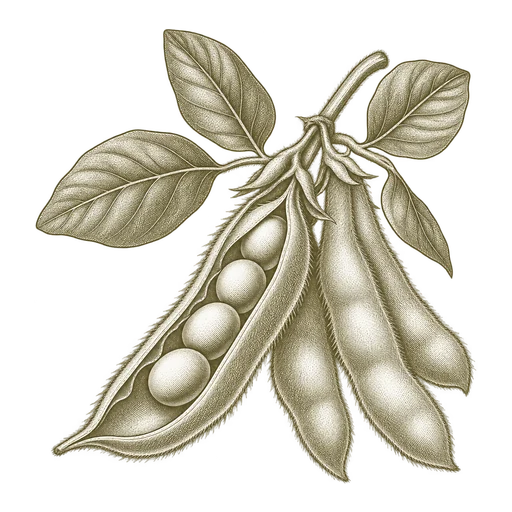
Explore ingredientSoybeans are oilseeds sourced as whole beans or processed into distinct products such as soybean meal and oil. Identify the exact form and intended use first; heat treatment, analysis and grade matter when comparing lots for feed or food applications.
Explore ingredientSoybean meal is made by extracting oil from soybeans, then heat-treating and grinding the remaining material. Whole soybeans retain their oil and have not undergone meal production. They are related ingredients, not interchangeable forms: their nutrient profiles and processing needs differ.
Processing also distinguishes meal types. Dehulling and whether hulls are returned affect protein and fiber; mechanical pressing generally leaves more residual oil than solvent extraction. The name “soybean meal” alone does not specify which form is being offered.
For meal, review crude protein and fiber alongside the stated form and extraction process. Confirm whether values are reported as-fed or on a dry-matter basis. Residual oil can also help distinguish products, but the relevant value should come from the offered lot’s specification or analysis rather than a general benchmark.
Heat treatment matters for feed use: processing reduces heat-sensitive anti-nutritional factors, while underprocessing or excessive heating can affect feeding value. Buyers may review measures such as urease activity, PDI or KOH protein solubility in line with their feed program and test methods.
Soybean meal is commonly used as a protein ingredient in livestock, poultry and fish feed, but suitability depends on species, life stage and the complete ration. Whole soybeans may also be used in processed feed forms, with requirements that differ from meal. Do not infer human-food suitability from the ingredient name; that requires product-specific documentation and confirmation of intended use.
No. Meal is produced after oil is extracted and the remaining material is processed. Whole soybeans retain their oil and have a different nutrient profile.
No. Dehulling, hull inclusion, extraction method and reporting basis affect the product. Compare the offered specification and lot analysis rather than assuming one standard protein value.
Check crude protein, crude fiber, residual oil, processing form and whether values are as-fed or dry-matter basis. For feed use, also confirm the heat-processing measures relevant to your program.
The ingredient name does not establish food-grade suitability. Confirm the intended use and product-specific documentation before considering it for human food.
Focused guides to the specification, application, and delivery questions behind this ingredient.
Plan a bulk soybean order around the exact product form, receiving equipment and storage conditions your facility can support. Define the quantity, destination and timing, then confirm the handling and commercial details for the specific offer.
Read this InsightWhole soybeans retain their oil, while soybean meal is the solid residue after oil extraction. That difference affects each ingredient’s role in a livestock ration, and whole beans also require attention to heat treatment. Compare the specific product and intended animal with a nutritionist before choosing a form.
Read this InsightLearn how raw, roasted and extruded whole soybeans differ, why both underprocessing and excessive heat matter, and how to interpret processing records and analysis for a defined feed use.
Read this InsightA practical pre-shipment guide to coordinating bulk soybean meal delivery, receiving equipment, lot paperwork, sampling and dry, clean storage.
Read this InsightA dairy ration decision starts with the complete diet: forage, animal group, other protein sources, and the nutritionist’s nutrient and amino-acid targets. This checklist explains how to evaluate soybean meal’s role and what offer details to discuss before sourcing.
Read this InsightSoybean meal protein percentages reported as-fed and on a dry-matter basis cannot be compared directly. Align moisture, reporting basis, method information, and the context of each COA before evaluating supplier values.
Read this Insight