Independent sourcing. Better connections.Commercial buyers · Bulk ingredients
topic

Oilseed processing

Oilseed processing covers crop inputs and products created as oil is extracted, including solid co-products such as cake and meal. This collection includes Canola, Soybeans and Sunflower Seeds alongside processed Sunflower Meal, so buyers should begin by identifying the exact product form. Extraction method, dehulling and intended use can all affect which lots are comparable.

12 ingredients6 published Insights
EXPLORE THE COLLECTION

Oilseed processing ingredients

Seeds

Canola

Canola refers to seed and products including edible oil and feed meal. For bulk sourcing, identify the product and, for meal, compare processing, physical form and lot analysis to match the feed formulation and receiving setup.

Explore ingredient


Seeds

Flax

Flax is sourced as whole or ground seed, oil, meal and straw, with processing affecting product characteristics. Identify the form and intended market first, then compare the relevant analysis and receiving requirements.

Explore ingredient
Seeds

Mustard

Mustard can mean culinary seed, oilseed or oil-extraction meal. Compare species, physical form and processing method first; for meal, review its analysis and glucosinolate profile against the intended feed use.

Explore ingredient
Seeds

Nyjer

Nyjer is an oilseed sold as whole seed, extracted oil, or press cake, with each form serving a different use. Define the form and end use first, then compare the relevant lot analysis, processing and treatment details, and delivery requirements.

Explore ingredient
Peanuts

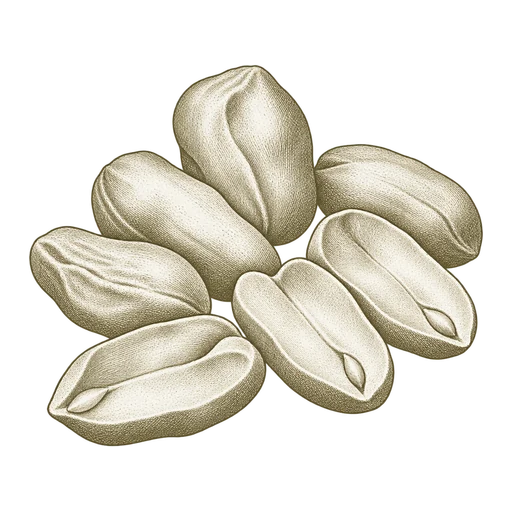
Peanut Meal

Peanut meal is a ground, oil-removed peanut ingredient used as a protein source in livestock feed. Extraction method and hull content affect its analysis, so compare lot-specific composition and aflatoxin information before matching a bulk offer to a feed formulation.

Explore ingredient
Other Seeds & Grains

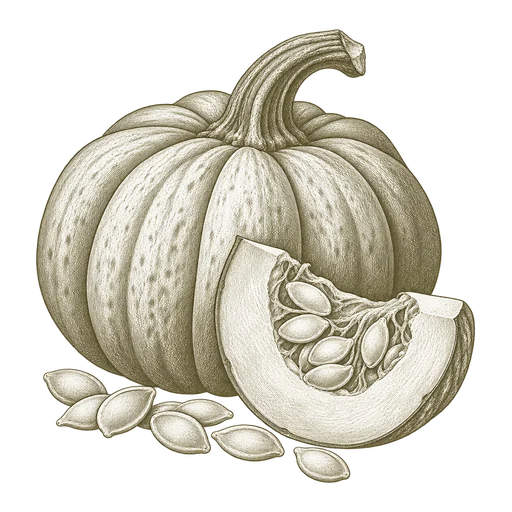
Pumpkin Seed

Pumpkin seed can mean whole food seeds, hulled kernels, ground meal or oil-extraction cake. Choose the form for its intended food or feed use, and compare the specific product’s processing and analysis before sourcing in bulk.

Explore ingredient
Seeds, Grains & Specialty

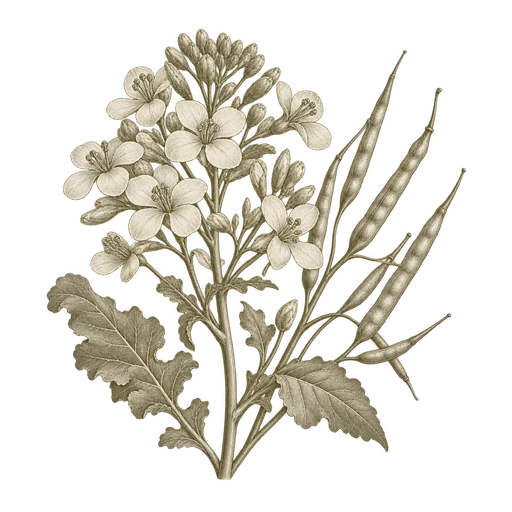
Rapeseed

Rapeseed can mean whole seed, oil or oil-extraction meal, and the crop name alone does not establish grade or end use. Compare product identity, intended application and relevant analysis before arranging a bulk purchase.

Explore ingredient
Seeds

Safflower

Safflower is an oilseed sold as whole seed, oil and oil-extraction meal. For feed buyers, meal's hull content and extraction method shape its protein, fiber and residual oil profile, so compare the actual product analysis and intended use.

Explore ingredient
Seeds

Sesame

Sesame is an oilseed sourced as whole or hulled seed, oil, and oil-extraction meal. Processing changes flavor, composition and use, so identify the exact form and compare quality measures suited to that product before arranging a bulk order.

Explore ingredient
Pulses

Soybeans

Soybeans are oilseeds sourced as whole beans or processed into distinct products such as soybean meal and oil. Identify the exact form and intended use first; heat treatment, analysis and grade matter when comparing lots for feed or food applications.

Explore ingredient
Feed Ingredients

Sunflower Meal

Sunflower meal is a sunflower-seed oil-extraction residue used as a protein ingredient in animal feed. Compare dehulling, extraction method, physical form and lot analysis to determine how a bulk offer fits your feed formulation and receiving setup.

Explore ingredient

Seeds

Sunflower Seeds

Sunflower seeds are sourced as oil-type or confectionery seed, in-shell seed or kernels, with meal available as a distinct oil-processing co-product. Match the form and quality measures to the intended food, oil, feed, or birdseed use.

Explore ingredient

Seed inputs and processed products are different

Oilseed processing commonly separates oil from a solid co-product such as cake or meal. That makes the product’s processing stage important: Sunflower Seeds are a seed input, while Sunflower Meal is already processed. Canola, Flax, Mustard, Nyjer, Pumpkin Seed, Rapeseed, Safflower, Sesame, Soybeans and Sunflower Seeds belong to the supplied collection, but the category does not make them interchangeable.

Canola and Rapeseed are related market terms, but buyers should verify the crop identity and product form for each lot. For any member, establish whether the offer is whole seed, oil, cake, meal or another processed form before comparing it with a specification.

Extraction method changes meal composition

Mechanical pressing leaves more residual oil in meal than more complete extraction, so the word “meal” alone does not define its composition. Dehulling also matters: sunflower meal made with fewer hulls generally has lower fibre and a higher protein concentration than meal with more hull material. Soybean meal processing and heat treatment affect its feed characteristics as well.

For feed purchasing, compare a current lot analysis rather than relying on crop name or typical values. Check crude protein, crude fat, fibre and moisture, and confirm the reporting basis. For sunflower or soybean meal, request relevant process details, including extraction method and dehulling or heat-treatment information.

Plan for intended use and bulk handling

Feed suitability depends on the animal and the full ration. A meal’s fibre, residual oil and amino-acid profile affect how it fits; one oilseed meal is not automatically a direct substitute for another. For food use, distinguish seed from oil or further-processed ingredients and verify that the offered product meets the intended use requirements.

For seed intended for processing, cleanliness and storage condition help preserve quality. Include packaging, moisture, storage conditions and applicable safety documentation in the purchase specification. For meal, account for extraction-related differences and confirm storage details for the actual product.

Common questions.

Are oilseed, cake and meal equivalent products?+

No. They represent different product forms or processing stages. Confirm whether the lot is seed, oil, cake or meal, along with its processing history.

Does expeller-pressed specify the meal’s exact composition?+

No. It indicates mechanical extraction, but does not by itself establish residual oil, heat exposure or a complete feed specification. Request a lot analysis and process details.

Can I substitute one oilseed meal for another in feed?+

Not without considering the animal and ration. Protein, fibre, residual oil and amino-acid profiles differ, so compare analyses and formulate for the intended use.

What should a bulk oilseed quote specify?+

Identify the exact crop and product form, processing method, dehulling details where relevant, lot analysis and moisture basis. Also establish packaging, storage conditions and documentation for the intended use.

Oilseed processing · BUYER INSIGHTS

Go deeper before you source.

Focused guides to the specification, application, and delivery questions behind this ingredient.

FIELD GUIDE01Oilseed processing
Buyer’s guide

Planning storage for bulk sunflower seed deliveries

Plan bulk sunflower seed receiving and storage around the offered form, lot condition and capabilities of your facility—not a one-size-fits-all moisture target.

Read this Insight
FIELD GUIDE02Oilseed processing
Buyer’s guide

What to specify when sourcing sunflower kernels for seed butter

A practical guide to specifying sunflower kernels for seed butter, from dehulled form and cleanliness to sensory expectations and food-safety testing.

Read this Insight
FIELD GUIDE03Oilseed processing
Buyer’s guide

How to compare oil-type sunflower seed grading measures

Understand what test weight, damage measures and dehulled-seed percentage describe in oil-type sunflower grading—and why these results do not establish food-ready or confectionery-kernel quality.

Read this Insight
FIELD GUIDE04Oilseed processing
Buyer’s guide

Planning bulk sunflower meal receiving and storage

Plan bulk sunflower meal receipt around the offered form, the facility’s unloading and conveying equipment, and a clean, dry storage destination. Include the delivery location and receiving constraints in your sourcing request.

Read this Insight
FIELD GUIDE05Oilseed processing
Buyer’s guide

Sunflower meal in poultry and swine diets: what to evaluate

A practical guide to evaluating sunflower meal for poultry and swine formulations, with attention to fiber, lysine, processing and lot-specific analysis.

Read this Insight
FIELD GUIDE06Oilseed processing
Buyer’s guide

How to compare sunflower meal analysis and hull content

Compare sunflower meal lots by reading protein, fiber, residual oil and moisture together. Hull content and as-fed versus dry-matter reporting can change how those results should be interpreted.

Read this Insight