Independent sourcing. Better connections.Commercial buyers · Bulk ingredients
tag

Oilseeds

Oilseeds is a broad collection of crops and seeds, not a single bulk ingredient specification. It includes names such as Canola, Rapeseed, Soybeans, Chia and Nyjer, but the members differ in identity, form and intended use. Compare a specific product against its own requirements rather than assuming the collection label makes ingredients interchangeable.

13 ingredients6 published Insights
EXPLORE THE COLLECTION

Oilseeds ingredients

Sunflower Seeds

Black Oils

Black-oil sunflower seed is a black-hulled oilseed used in bird feeding, oil processing and animal-feed formulations. Specify whole seed or a processed form, then compare lot quality and storage requirements against the intended use.

Explore ingredient
Seeds

Canola

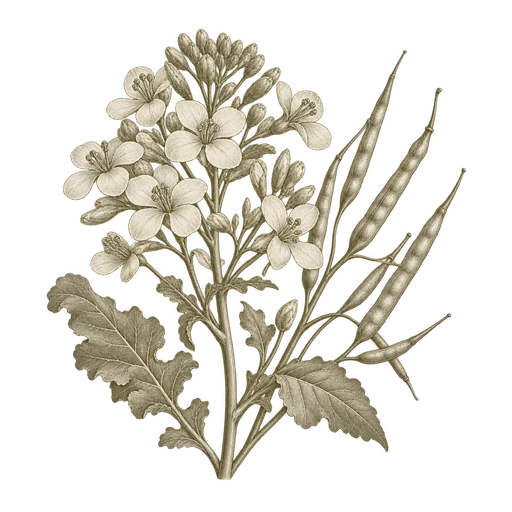
Canola refers to seed and products including edible oil and feed meal. For bulk sourcing, identify the product and, for meal, compare processing, physical form and lot analysis to match the feed formulation and receiving setup.

Explore ingredient
Seeds

Chia

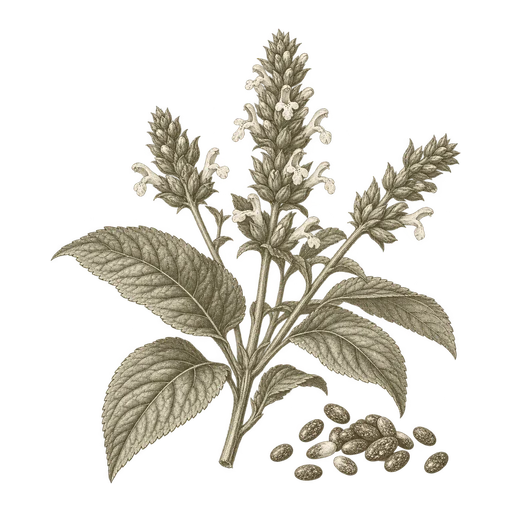
Chia is an oilseed sold as whole or milled seed, gel or mucilage, oil, and extraction coproducts. Choose the form around its role in food or feed, and compare product-specific quality measures and handling needs before arranging a bulk shipment.

Explore ingredient
Other Seeds & Grains

Colored Safflower

Colored safflower is safflower seed identified by its appearance, but the name can mean naturally colored or artificially treated seed. Establish the product identity and intended use, then compare whole-seed condition, moisture and test weight for bird-feed applications.

Explore ingredient
Seeds

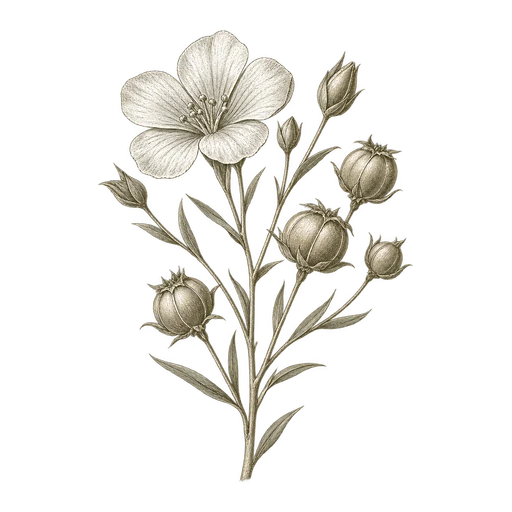
Flax

Flax is sourced as whole or ground seed, oil, meal and straw, with processing affecting product characteristics. Identify the form and intended market first, then compare the relevant analysis and receiving requirements.

Explore ingredient
Seeds

Nyjer

Nyjer is an oilseed sold as whole seed, extracted oil, or press cake, with each form serving a different use. Define the form and end use first, then compare the relevant lot analysis, processing and treatment details, and delivery requirements.

Explore ingredient
Seeds, Grains & Specialty

Rapeseed

Rapeseed can mean whole seed, oil or oil-extraction meal, and the crop name alone does not establish grade or end use. Compare product identity, intended application and relevant analysis before arranging a bulk purchase.

Explore ingredient
Seeds

Safflower

Safflower is an oilseed sold as whole seed, oil and oil-extraction meal. For feed buyers, meal's hull content and extraction method shape its protein, fiber and residual oil profile, so compare the actual product analysis and intended use.

Explore ingredient
Seeds

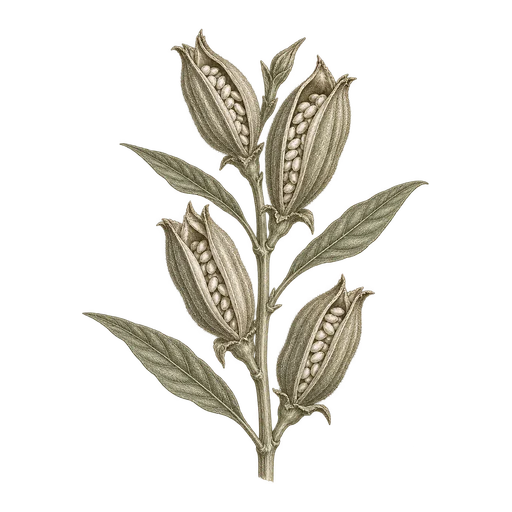
Sesame

Sesame is an oilseed sourced as whole or hulled seed, oil, and oil-extraction meal. Processing changes flavor, composition and use, so identify the exact form and compare quality measures suited to that product before arranging a bulk order.

Explore ingredient
Pulses

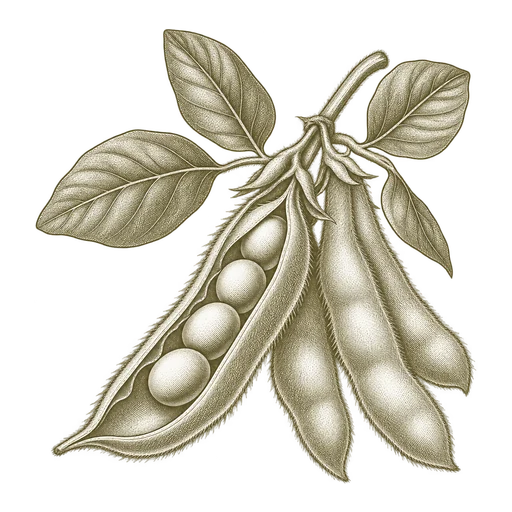
Soybeans

Soybeans are oilseeds sourced as whole beans or processed into distinct products such as soybean meal and oil. Identify the exact form and intended use first; heat treatment, analysis and grade matter when comparing lots for feed or food applications.

Explore ingredient
Sunflower Seeds

Stripes

Striped sunflower seed, often shortened to “stripes,” is whole sunflower seed with its hull attached. Buyers compare seed size, hull status and lot condition for bird-feed use, mixes or dehulling; the shorthand alone does not establish food-grade suitability.

Explore ingredient
Seeds

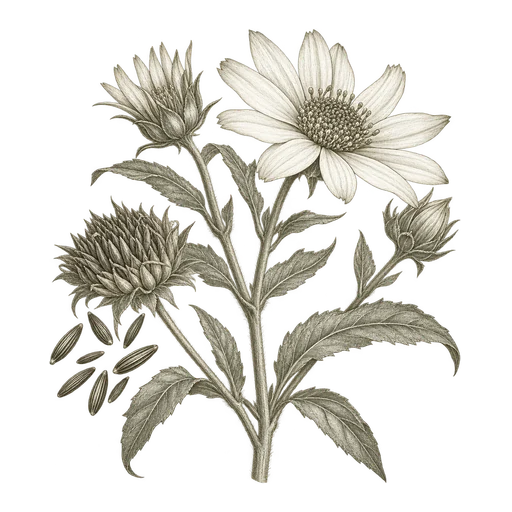
Sunflower Seeds

Sunflower seeds are sourced as oil-type or confectionery seed, in-shell seed or kernels, with meal available as a distinct oil-processing co-product. Match the form and quality measures to the intended food, oil, feed, or birdseed use.

Explore ingredient
Seeds, Grains & Specialty

Thistle Seed

Milk thistle (Silybum marianum) is sourced as whole or ground seed and as processed products such as press cake and meal. Identify the botanical species and form first, then compare lot analysis and receiving needs for the intended feed application.

Explore ingredient

A broad crop group, not one specification

Oilseeds bring together crops grown for their seeds and, in some cases, the oil and protein-rich meals made from them. This collection includes crop names such as Canola, Rapeseed and Soybeans alongside seed names such as Chia and Nyjer. Those names do not imply that the ingredients share a grade, composition or end use.

Some labels need more detail to support a useful comparison. Canola and rapeseed are related, but “canola” refers to material meeting specific compositional criteria. Names such as Black Oils, Stripes and Colored Safflower do not, by themselves, establish a precise grade or product definition.

Compare the product form and intended use

Whole seed, processed oil and meal or press cake are different products. Confirm what is being offered and its processing history before comparing specifications or planning receiving and storage. The collection label alone does not establish which form is available for any ingredient.

End use matters: food processing, feed, oil extraction and bird feeding have different requirements. For feed use, distinguish raw soybeans from heat-processed products; processing affects their suitability. Do not assume that an ingredient listed here is suitable for every application.

Make the specification actionable

For a bulk comparison, identify the exact commodity and grade, physical form, intended use and any treatment. Then align key measures—such as moisture, foreign material, damage, odor and relevant composition tests—with the product and use. Ask which sampling and test methods apply so results can be compared on the same basis.

Plan handling around the actual seed. Moisture limits and equipment needs are not universal across oilseeds; small seeds, for example, can pass through openings intended for larger grains. Match the receiving and storage setup to the seed and its condition, and agree on lot-specific specifications and commercial terms before purchase.

Common questions.

Are canola and rapeseed interchangeable?+

They are related, but the names are not automatically interchangeable in a specification. Confirm the product identity and the criteria supporting a canola description.

Does an oilseed listing mean whole seed?+

Not necessarily. Confirm whether the product is whole seed, oil, meal or another processed form, and check its processing history.

Can any oilseed in this collection be used for feed or food?+

No. Suitability depends on the ingredient, form, processing, composition and requirements for the intended use. Soybeans in particular need careful distinction between raw and properly heat-processed products for feed.

What should I clarify about Black Oils, Stripes or Colored Safflower?+

Ask for the exact commodity name, form, grade and specification. These labels alone do not establish measurable characteristics or intended market.

Oilseeds · BUYER INSIGHTS

Go deeper before you source.

Focused guides to the specification, application, and delivery questions behind this ingredient.

FIELD GUIDE01Oilseeds
Buyer’s guide

Planning bulk receiving and storage for milk thistle seed

Plan bulk milk thistle seed receiving around the botanical identity, exact product form, order details, facility constraints, and storage guidance for the offered lot.

Read this Insight
FIELD GUIDE02Oilseeds
Buyer’s guide

Evaluating milk thistle meal in dairy cattle rations

A practical framework for evaluating milk thistle meal in dairy cattle rations, from distinguishing product forms to interpreting lot analysis and fitting its nutrients into the complete diet.

Read this Insight
FIELD GUIDE03Oilseeds
Buyer’s guide

How to compare milk thistle seed and meal analyses

A practical comparison of milk thistle seed and meal analyses, covering product form, moisture basis, key composition measures, fiber testing and flavonolignan assays.

Read this Insight
FIELD GUIDE04Oilseeds
Buyer’s guide

Planning storage for bulk sunflower seed deliveries

Plan bulk sunflower seed receiving and storage around the offered form, lot condition and capabilities of your facility—not a one-size-fits-all moisture target.

Read this Insight
FIELD GUIDE05Oilseeds
Buyer’s guide

What to specify when sourcing sunflower kernels for seed butter

A practical guide to specifying sunflower kernels for seed butter, from dehulled form and cleanliness to sensory expectations and food-safety testing.

Read this Insight
FIELD GUIDE06Oilseeds
Buyer’s guide

How to compare oil-type sunflower seed grading measures

Understand what test weight, damage measures and dehulled-seed percentage describe in oil-type sunflower grading—and why these results do not establish food-ready or confectionery-kernel quality.

Read this Insight