Independent sourcing. Better connections.Commercial buyers · Bulk ingredients
tag

Bulk logistics

A buyer-focused guide to bulk logistics across varied ingredient forms, with practical considerations for load format, sampling, storage and safe receiving.

22 ingredients6 published Insights
EXPLORE THE COLLECTION

Bulk logistics ingredients

Feed Ingredients

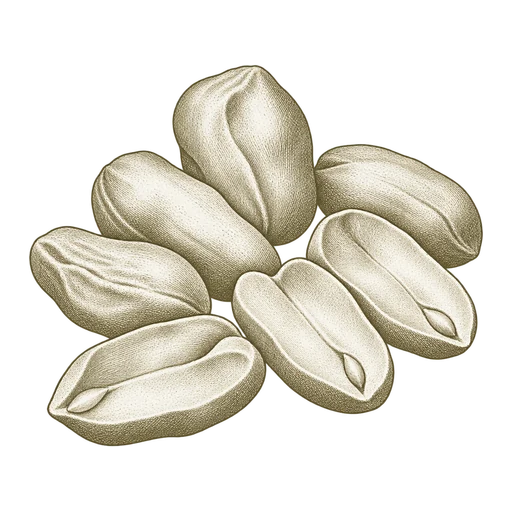
Peanuts

Peanuts are sourced as whole kernels and processed products such as peanut meal, hulls and skins. Identify the exact form and intended use first, then compare the relevant analysis and aflatoxin documentation before arranging a bulk shipment.

Explore ingredient
Dried Fruits

Pears

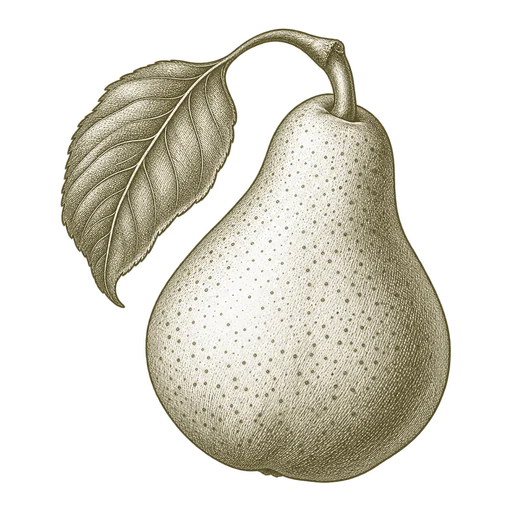
Pears are sourced as whole fresh fruit and as distinct processing products such as pulp, pomace and silage. Identify the form and intended use first: fresh-fruit maturity and handling requirements differ from feed-by-product analysis, receiving and storage needs.

Explore ingredient
Grains

Popcorn

Popcorn is a distinct maize type purchased as whole kernels for popping or as an already-popped food ingredient. For bulk food use, match the form to your process and compare kernel moisture, popping performance and integrity against your requirements.

Explore ingredient
Seeds

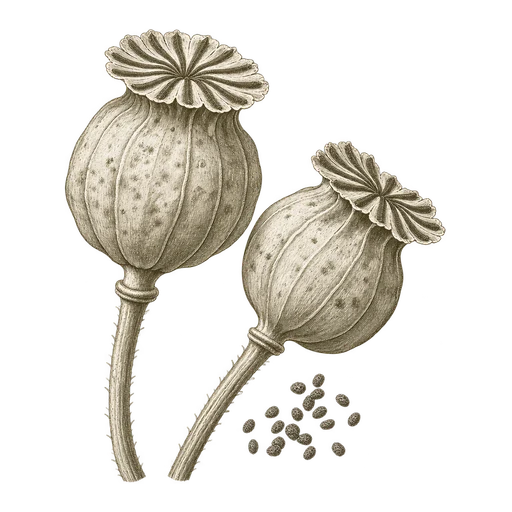
Poppy

Poppy can refer to whole seed for food uses or to oil-extraction by-products used in feed. Specify whole seed, pressed cake or solvent-extracted meal, then compare intended-use requirements and lot analysis on a consistent basis.

Explore ingredient
Starches/Fibers/Proteins

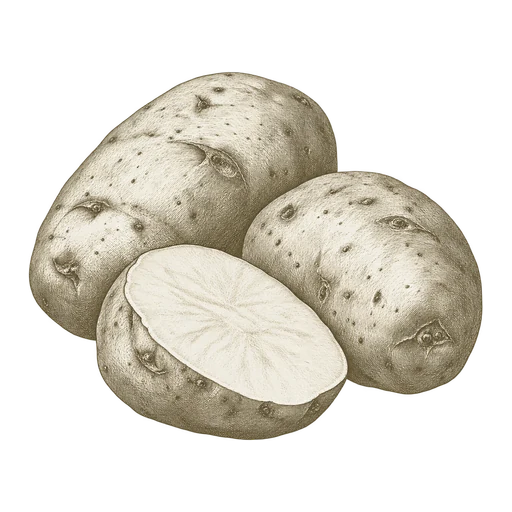
Potato Starch

Potato starch is a dried, potato-derived ingredient used in food formulations for thickening, stabilization, gel formation and texture. Identify native or modified form and compare functional specifications against the process and receiving requirements for your bulk order.

Explore ingredient
Other Seeds & Grains

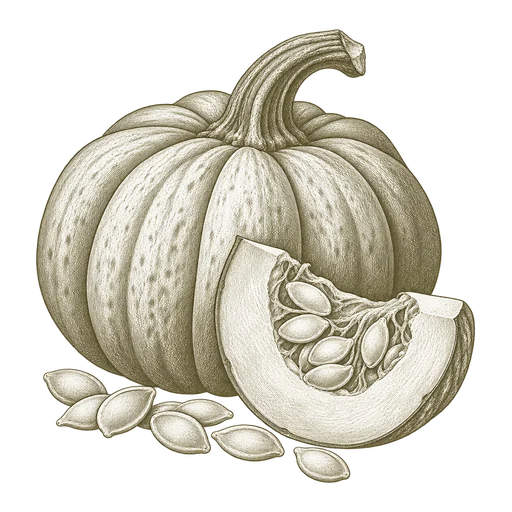
Pumpkin Seed

Pumpkin seed can mean whole food seeds, hulled kernels, ground meal or oil-extraction cake. Choose the form for its intended food or feed use, and compare the specific product’s processing and analysis before sourcing in bulk.

Explore ingredient
Seeds, Grains & Specialty

Rapeseed

Rapeseed can mean whole seed, oil or oil-extraction meal, and the crop name alone does not establish grade or end use. Compare product identity, intended application and relevant analysis before arranging a bulk purchase.

Explore ingredient
Peanuts

Raw Pickouts

Raw pickouts most likely means raw peanut kernels or pieces separated during processing, but the name does not define a standard grade. Compare the offered kernel form, sorting criteria and lot-specific testing—especially aflatoxin—against the intended use and receiving plan.

Explore ingredient
Milo (Sorghum)

Red Milo

Red milo is red-pericarp grain sorghum used as an energy ingredient in animal feed. Color does not establish tannin status, so compare the lot’s identity, physical quality and nutrient analysis, and choose whole or processed grain to match the feeding or milling system.

Explore ingredient
Millet

Red Proso

Red proso is red-seeded proso millet sold for markets that include feed and birdseed. Choose whole, cracked or ground grain to fit the end use, and compare lot-specific physical quality and analysis against the buyer’s requirements.

Explore ingredient
Grains

Rice

Rice is sourced in distinct forms—from rough, brown and milled kernels to broken rice and milling co-products such as bran. Identify the form, intended use and relevant quality measures to compare bulk offers appropriately.

Explore ingredient
Grains

Rye

Rye grain is used in feed formulations and milled for food products such as bread flour. Whole, broken and ground forms differ in handling, while starch, soluble non-starch polysaccharides and grain condition shape how buyers evaluate rye for a specific use.

Explore ingredient
Pulses

Soybeans

Soybeans are oilseeds sourced as whole beans or processed into distinct products such as soybean meal and oil. Identify the exact form and intended use first; heat treatment, analysis and grade matter when comparing lots for feed or food applications.

Explore ingredient
Grains

Spelt

Spelt is a hulled wheat sourced as grain, dehulled kernels, flour, or separated hulls. Choose the form for the intended food or feed use, and compare lot-specific functionality or feed analysis rather than assuming all spelt is equivalent.

Explore ingredient
Starches/Fibers/Proteins

Tapioca Pellets

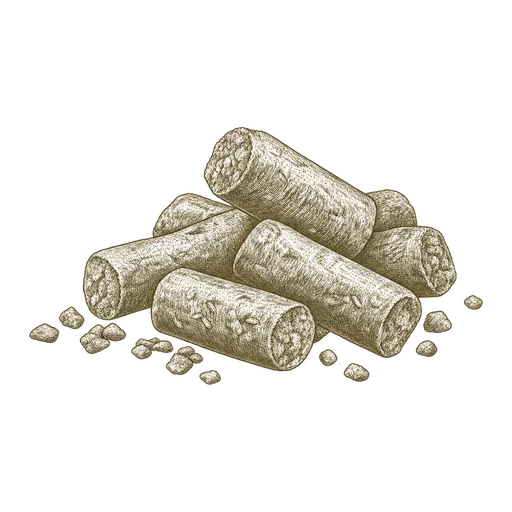
Tapioca pellets are a dried cassava-root feed ingredient used primarily as a carbohydrate and energy source in livestock rations. Their low protein content, variable composition and pellet-handling characteristics make ingredient identity, lot analysis and receiving equipment important parts of a bulk purchase.

Explore ingredient
Grains

Triticale

Triticale is a wheat–rye cereal grain used mainly in livestock feed, with separate food and forage applications. Compare whole or processed forms and evaluate each lot’s condition and analysis against its intended use.

Explore ingredient
Starches/Fibers/Proteins

Vegetable Pomace

Vegetable pomace is a variable residue from vegetable processing, not a single standardized ingredient. Identify the source and processing, then compare wet or dried form, moisture and relevant analysis to determine whether a specific lot fits a feed or food application.

Explore ingredient
Pulses

Vetch

Common vetch is sourced as feed seed or as forage for grazing, hay and silage. These forms have different quality and handling considerations; identify the species, intended use and relevant lot analysis before comparing bulk offers.

Explore ingredient
Feed Ingredients

White Millet

White millet commonly refers to white-seeded proso millet, sourced for food products, birdseed, and livestock feed. Identify the species, hull status, and processing form to match the grain to its intended use.

Explore ingredient

A logistics tag across different ingredient forms

Bulk logistics is a purchasing and handling theme, not a single ingredient type. This collection includes grains and seeds such as Rice, Rye, Soybeans and White Millet, as well as Soybean Oil, Potato Starch, Tapioca Pellets and Vegetable Pomace. Those names alone do not establish whether a particular lot is liquid, powdered, pelleted, whole, packaged or bulk-loaded.

The practical first step is to confirm the exact offered form and load format. A liquid shipment, a free-flowing grain and a powder can require different unloading equipment, conveyance and storage arrangements. Do not infer those requirements from the ingredient name or collection tag.

Match quality checks to the lot

Quality measures should follow the commodity, form and intended use. For applicable grain and oilseed lots, buyers may need to clarify sampling and relevant analyses such as moisture, foreign material, test weight, protein or oil. These are not universal checks for every member. Agree on the sample collection method, test basis and documentation before relying on results; representative sampling matters to the usefulness of an analysis.

A supplier analysis and an official inspection certificate are not interchangeable. If a particular certificate or inspection is required for the transaction, establish who will provide it and what it covers.

Plan storage and receiving before shipment

Storage limits depend on the specific commodity, form and intended duration. Grain moisture guidance for one crop should not be applied automatically to another ingredient. For powders, ask about flowability and caking considerations; moisture, temperature and storage pressure can affect how bulk solids handle.

Confirm that the receiving site can safely unload and store the agreed load. Grain movement during unloading can create serious engulfment hazards, so receiving procedures and equipment matter as much as transport format. For lot-specific terms—including quantity basis, documents, storage guidance and unloading method—confirm details before purchase.

Common questions.

Does the Bulk logistics tag tell me whether an ingredient is bulk-loaded?+

No. Confirm the specific lot’s form, packaging or load format, quantity basis and unloading method.

Which quality checks should I ask about for grain or oilseed lots?+

Start with the commodity and intended use, then agree on representative sampling, relevant analyses and test basis. Moisture, foreign material, test weight, protein or oil may be relevant for some lots, but not every member requires the same checks.

Can I use one storage or moisture limit for every ingredient here?+

No. Storage guidance depends on the commodity, form and storage duration. Confirm criteria for the specific lot rather than applying one crop’s guidance across the collection.

How should I assess powder or pellet handling?+

Confirm the offered form and ask about flow behavior, caking considerations and recommended storage conditions. The ingredient name alone does not establish how it will move through your equipment.

Bulk logistics · BUYER INSIGHTS

Go deeper before you source.

Focused guides to the specification, application, and delivery questions behind this ingredient.

FIELD GUIDE01Bulk logistics
Buyer’s guide

White millet bulk receiving and storage planning

Plan bulk white millet receiving around the grain form, order quantity, destination, unloading capability, and storage conditions. Align lot requirements for moisture and cleanliness before delivery.

Read this Insight
FIELD GUIDE02Bulk logistics
Buyer’s guide

Choosing white millet forms for food processing and baking

Compare whole, puffed, cracked and flour forms of white millet by how they enter food production, and treat dehulling as a separate specification for baking and processing.

Read this Insight
FIELD GUIDE03Bulk logistics
Buyer’s guide

White millet specifications: identity, hull status, and quality

White millet specifications should identify the species and clarify whether the grain is whole and hulled or dehulled. Color, cleanliness and analysis matter differently across food, birdseed and feed uses, so compare lots against requirements written for the intended application.

Read this Insight
FIELD GUIDE04Bulk logistics
Buyer’s guide

Whey Permeate Bulk Shipping and Storage: Questions to Resolve Before Dispatch

Before arranging whey permeate delivery, match the offered form and packaging to your receiving equipment, storage capacity and site schedule. Confirm handling guidance and shipment documents for the specific product before dispatch.

Read this Insight
FIELD GUIDE05Bulk logistics
Buyer’s guide

Whey Permeate in Swine Feed: Formulation Questions for Buyers

Whey permeate can contribute lactose and minerals to a swine ration, but its role depends on pig stage, product analysis, form, and the rest of the formula. See the formulation questions buyers and nutritionists should resolve before sourcing.

Read this Insight
FIELD GUIDE06Bulk logistics
Buyer’s guide

Whey Permeate Specifications: How to Compare Lactose, Minerals, and Moisture

Compare whey permeate by its reporting basis, analytical methods and intended grade—not by headline values alone. Learn how lactose, ash, moisture, protein and powder characteristics inform a specification review.

Read this Insight