Independent sourcing. Better connections.Commercial buyers · Bulk ingredients
topic

Bulk storage and logistics

Bulk storage and logistics covers ingredients with distinct physical forms and handling needs, from dry grains and processed powders to liquids and pellets. Compare product form, transport equipment, receiving capacity and lot-specific storage guidance before planning a shipment.

39 ingredients6 published Insights
EXPLORE THE COLLECTION

Bulk storage and logistics ingredients

Grains

Brown Rice

Brown rice is hulled rice with its bran layers retained, sourced as whole kernels or flour for food uses. Specify grain class, processing state and quality requirements, then match packaging and storage plans to your facility.

Explore ingredient
Other Seeds & Grains

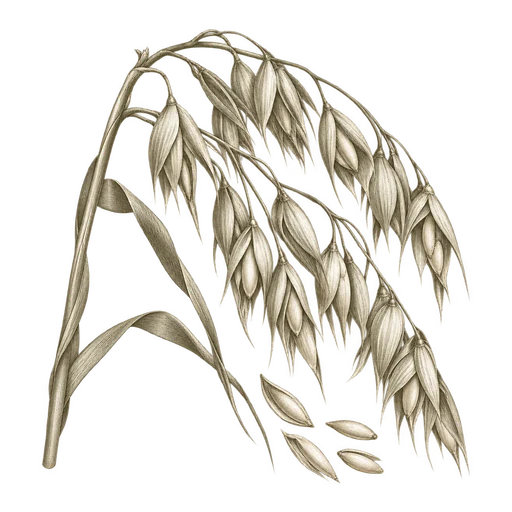
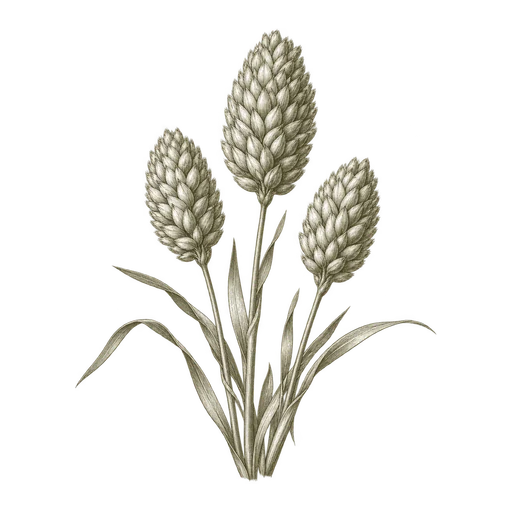
Canary

Canary seed is a grass grain sourced mainly for bird-feed blends, with specific glabrous varieties also processed into food ingredients such as groats and flour. Identify the hull type, intended market and processing form before comparing bulk lots.

Explore ingredient
Seeds

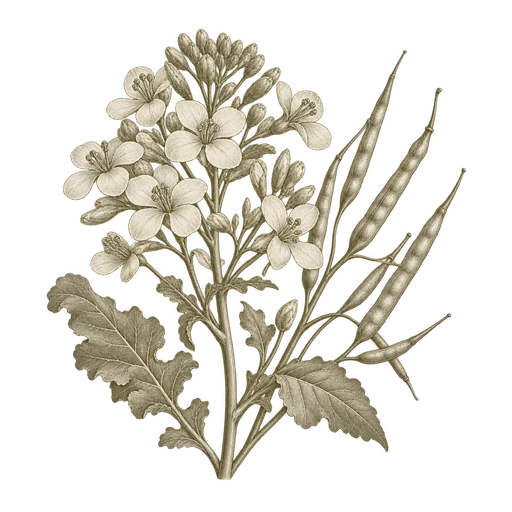
Canola

Canola refers to seed and products including edible oil and feed meal. For bulk sourcing, identify the product and, for meal, compare processing, physical form and lot analysis to match the feed formulation and receiving setup.

Explore ingredient
Dried Vegetables

Carrots

Bulk carrots can mean fresh roots, frozen or dehydrated product, ensiled feed material, or processing by-products such as juice pomace. Identify the exact form and intended use, then compare moisture and analysis on a consistent basis.

Explore ingredient
Tree Nuts

Cashews

Bulk cashews are sourced as edible kernels in forms such as whole or broken, raw or roasted. Specify the exact product form and quality measures so the shipment can be compared with your food application and receiving requirements.

Explore ingredient
Animal Products

Catfish Meal

Catfish meal is a rendered feed ingredient made from catfish-processing byproducts. Because raw materials and processing can differ, compare the declared identity, lot analysis and test basis before evaluating its role in a feed formulation.

Explore ingredient
Dried Vegetables

Celery

Celery is sourced for food use as fresh stalks and leaves, frozen celery, or dried material. Specify the plant part and form because they differ in culinary role, handling, quality measures and storage needs.

Explore ingredient
Dairy Ingredients

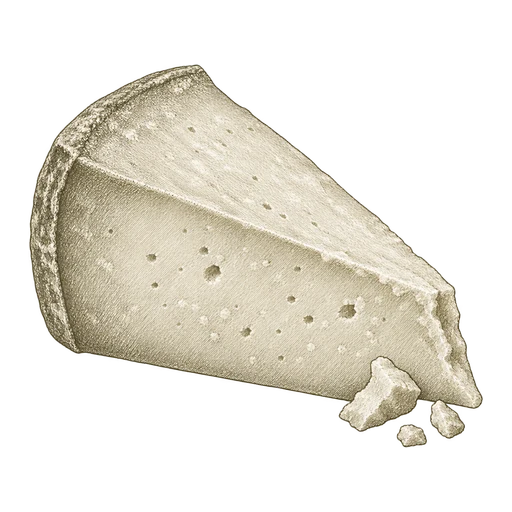
Cheese Powders

Cheese powder is a dried cheese or cheese-based ingredient used to add cheese flavor to coatings, dry mixes, sauces and other foods. Cheese style, added ingredients and drying method affect composition and performance, so compare the formulation and functional properties with the needs of your process.

Explore ingredient
Seeds

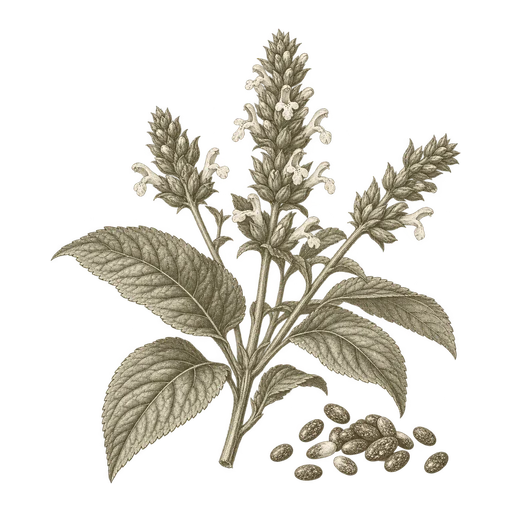
Chia

Chia is an oilseed sold as whole or milled seed, gel or mucilage, oil, and extraction coproducts. Choose the form around its role in food or feed, and compare product-specific quality measures and handling needs before arranging a bulk shipment.

Explore ingredient
Animal Products

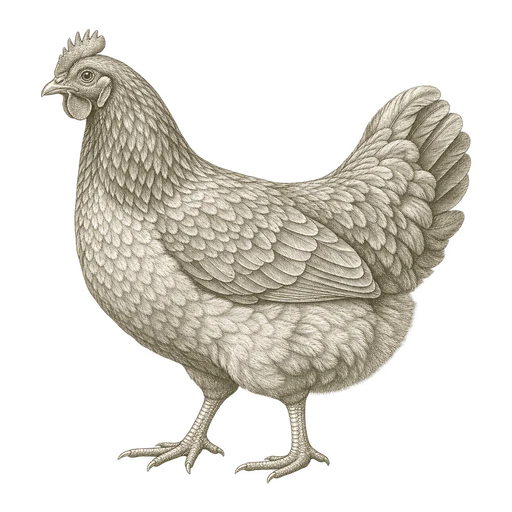
Chicken Fat

Chicken fat is a rendered or extracted poultry fat used in animal feed and pet food. Compare its processing description and lot analysis, then match packaging, receiving, and storage plans to the specific product and intended formulation.

Explore ingredient
Pulses

Chickpea Flour

Chickpea flour is milled from chickpeas for use in breads, baked goods, tortillas, pasta, batters and other foods. Processing history and particle size affect formulation behavior, so compare those details alongside analysis and receiving requirements when sourcing in bulk.

Explore ingredient
Pulses

Chickpeas

Chickpeas are dry edible pulses sold as Kabuli or Desi seed, whole, split, dehulled or milled into flour. Choose class and form to match the food process or formulation, and compare lot moisture, size, defects and receiving needs.

Explore ingredient
Feed Ingredients

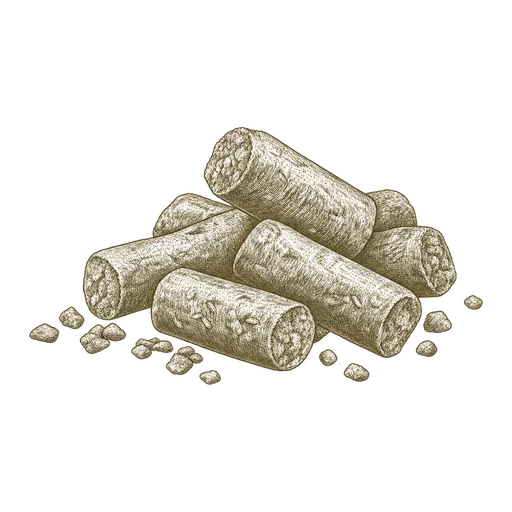
Citrus Pulp Pellets

Citrus pulp pellets are a dried citrus-processing by-product used chiefly as an energy ingredient in ruminant feed. Compare pellet handling, current lot analysis and nutrient reporting basis with your ration and receiving requirements.

Explore ingredient
Sunflower Seeds

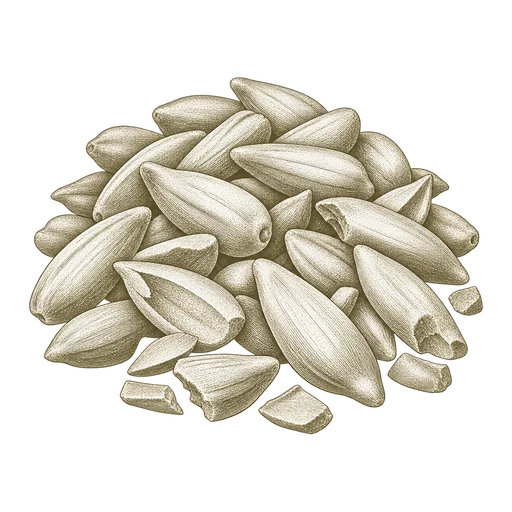
Coarse Chips

Coarse sunflower chips are broken, hulled sunflower kernels used most clearly in wild-bird feed. Compare the seller’s particle-size definition, fines and hull limits, kernel condition and intended-use grade when planning a bulk order.

Explore ingredient
Feed Ingredients

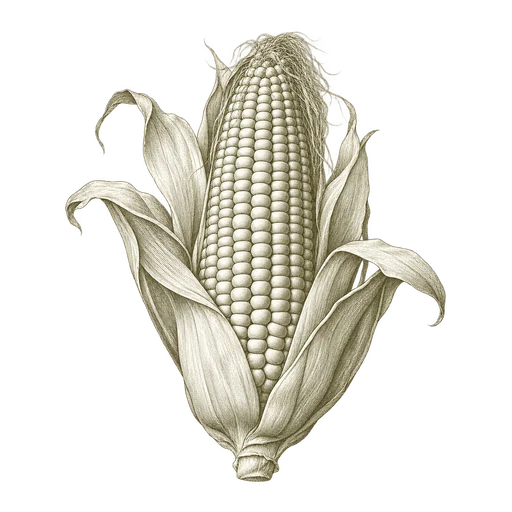
Corn

Corn grain is a major feed ingredient and a raw material for food and industrial processing. Specify whole, cracked or ground form, intended use, lot-quality needs and receiving details to compare bulk offers appropriately.

Explore ingredient
Feed Ingredients

Corn Gluten Meal

Corn gluten meal is a corn wet-milling coproduct used as a concentrated plant-protein ingredient in poultry feed and pet food. Compare the offered form, protein and amino-acid analysis, moisture basis, and xanthophyll when relevant to the formulation.

Explore ingredient
Oils/Fats

Corn Oil

Corn oil is sourced in distinct forms for edible-oil, feed and industrial uses. Compare the processing description and lot analysis, then match grade, receiving requirements and storage instructions to the intended application.

Explore ingredient
Feed Ingredients

Corn Syrup Solids

Corn syrup solids are dried corn syrup supplied as a powder and used as a carbohydrate ingredient in food formulations. Compare dextrose equivalent, moisture and physical properties to match the grade to your process.

Explore ingredient
Feed Ingredients

Cottonseed Hull Pellets

Cottonseed hull pellets are a pelleted cotton-processing co-product used as roughage in cattle diets. Compare the actual ingredient declaration and lot analysis, and match the product's physical characteristics to your ration and receiving setup.

Explore ingredient
Feed Ingredients

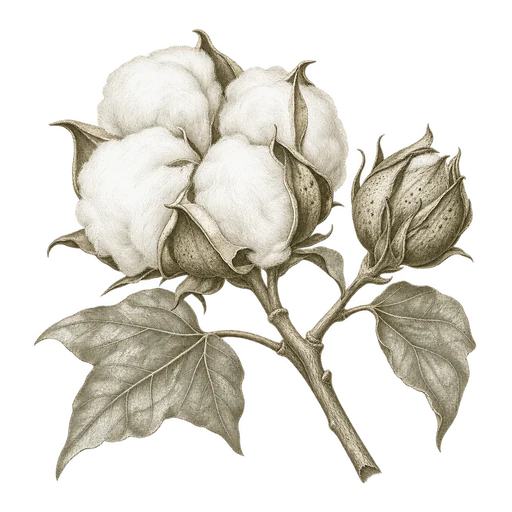
Cottonseed Hulls

Cottonseed hulls are a fibrous cattle-feed ingredient supplied loose or pelleted. Compare form, lot analysis, and receiving capacity to determine how the hulls fit a cattle ration and bulk handling plan.

Explore ingredient
Dried Fruits

Currants

Ribes currants include black, red, pink and white berries used fresh, frozen or in processed food ingredients. Specify the fruit type and distinguish whole berries, juice, preserves and blackcurrant pomace powder, since these forms serve different roles and have different quality considerations.

Explore ingredient
Animal Products

Duck Meal

Duck meal is a dry-rendered, ground animal ingredient used as a raw material in dog and cat foods. Compare the source tissues, ingredient identity and lot analysis to match the product with formulation and labeling requirements.

Explore ingredient
Feed Ingredients

Durum

Durum is a hard, amber-grained wheat used chiefly for semolina and pasta production. Compare grain form, class or subclass, grade and milling-related analyses when defining a bulk requirement.

Explore ingredient
Animal Products

Egg Powder

Egg powder is available as dried whole egg, yolk, egg white or formulated blends for food manufacturing. Match the fraction and application-specific functionality to your process, then compare quality, packaging and storage details for the bulk order.

Explore ingredient
Peanuts

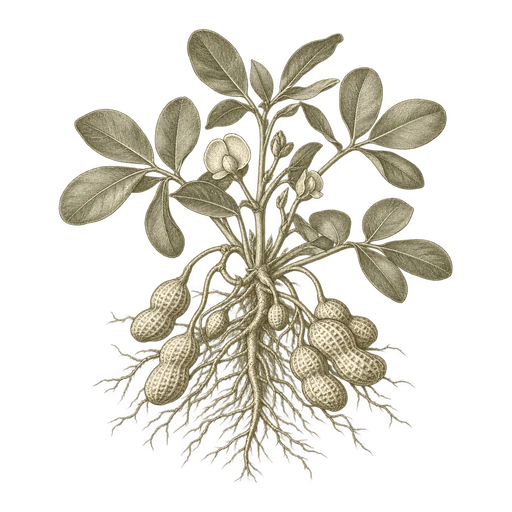
Fancy Inshells

Fancy Inshells needs a precise nut identity and grade. U.S. Fancy Hand Picked applies to cleaned Virginia-type inshell peanuts; buyers should distinguish that standard from lot analysis and intended-use documentation.

Explore ingredient
Dried Fruits

Figs

Dried figs are sourced whole or as pieces for bakery, confectionery and dried-fruit uses. Compare style, treatment, moisture and lot condition, then match packaging and storage to your receiving operation.

Explore ingredient
Sunflower Seeds

Fine Chips

Fine Chips are broken or size-reduced sunflower kernels used in wild-bird feed products. Compare the seller’s chip-size definition, hull content and lot analysis, then match packaging and receiving details to your facility.

Explore ingredient
Seeds

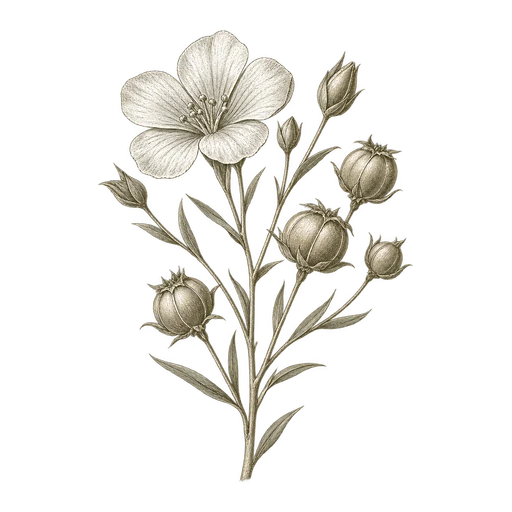
Flax

Flax is sourced as whole or ground seed, oil, meal and straw, with processing affecting product characteristics. Identify the form and intended market first, then compare the relevant analysis and receiving requirements.

Explore ingredient
Dried Fruits

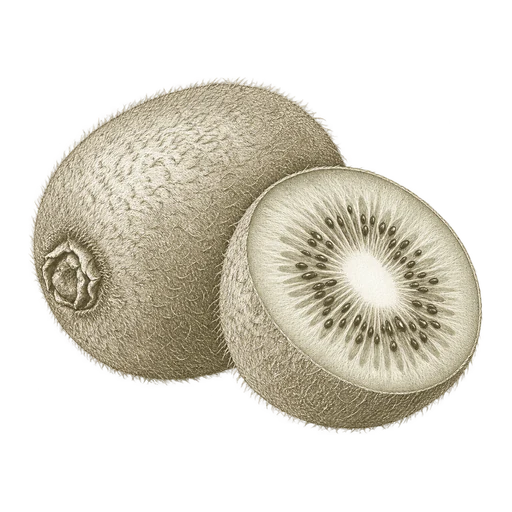
Kiwi

Bulk kiwi can mean whole fruit, puree, dried fruit, peel, pomace, or extracted fiber. Specify the form and processing history, then compare analysis on a consistent basis and match receiving and storage plans to the product.

Explore ingredient
Other Seeds & Grains

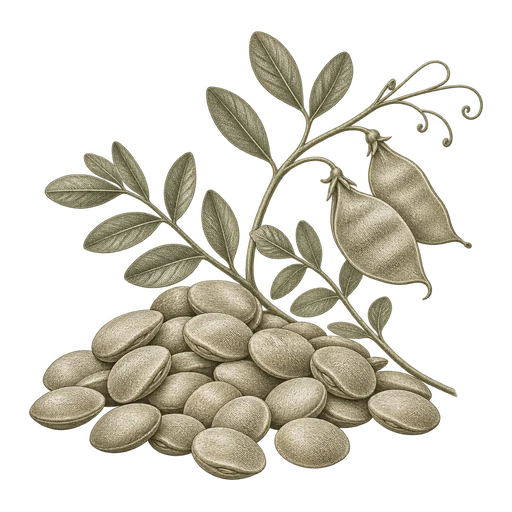
Lentils

Lentils are pulse seeds sold as whole, split or dehulled product for food processing and, with lot-specific evaluation, some feed uses. Specify the form, type and quality measures that match your application.

Explore ingredient
Dried Vegetables

Lettuce

Lettuce is sourced as fresh heads or leaves, cut product, processing residue or dried waste. The type and form determine its food or potential by-product use, the quality details to compare and the handling needed for a bulk order.

Explore ingredient
Pulses

Lima Beans

Lima beans are sourced fresh and immature or as dry beans in Large, Baby and other classes. Compare class, whole or split form, defect expectations and intended food use when planning a bulk order.

Explore ingredient
Sunflower Seeds

Medium Chips

Medium Chips commonly refers to broken, peeled sunflower kernels used in bird-feed and related ingredient markets. Because “medium” has no universal size definition, compare the sieve cut, intended grade and lot quality before arranging a bulk order.

Explore ingredient
Animal Products

Menhaden Fish Oil

Menhaden fish oil is a species-specific oil supplied as crude or further-refined product for distinct feed, aquaculture and human-food applications. Compare processing status, intended use and lot-specific composition before arranging a bulk order.

Explore ingredient
Grains

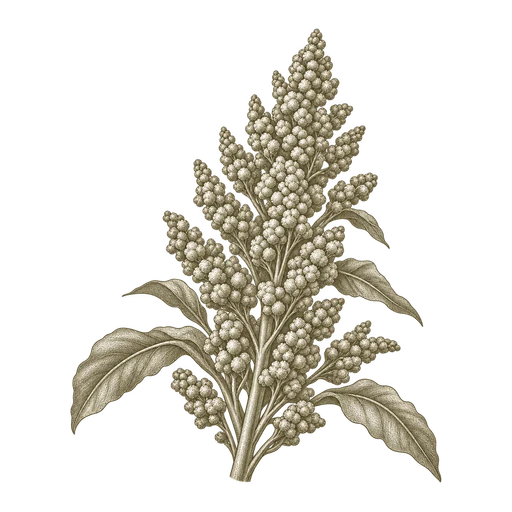
Quinoa

Quinoa is a grain-like pseudocereal seed sold in distinct forms such as whole grain and flour. Compare form, processing and relevant quality measures to match the product to a food or feed application and plan receiving and storage.

Explore ingredient
One collection, different handling needs

Bulk storage and logistics connects ingredients whose physical forms require different facilities and transport. Brown Rice, Corn and Lentils are dry commodities; Chickpea Flour and Cheese Powders are processed materials; Canola Oil and Chicken Fat are liquids. Citrus Pulp Pellets and Cottonseed Hull Pellets have a pelletized form. These examples illustrate the range, not a single storage method or guaranteed availability.

Start with the exact product form and intended use, then match the shipment format to your equipment. Dry bulk needs compatible conveying and storage systems; liquids require suitable tanks and unloading connections. Bags, totes or other packaging also change how a shipment is received and stored.

Match storage plans to the ingredient
Do not apply one moisture target or storage-life assumption across this collection. Grain and oilseed guidance is specific to crop, condition and storage duration; it does not establish limits for powders, pellets, finished oils or every buyer’s specification. Request the lot specification, test basis and product-specific storage guidance, and confirm what conditions your facility can maintain.

For dry storage, assess cleanliness, moisture exposure, temperature monitoring and pest control. For liquids, confirm tank suitability and any handling or temperature requirements for the product. Storage life depends on the ingredient, lot condition and storage environment—not the product name alone.

Plan transport and receiving together

Before arranging a shipment, align quantity and unit, delivery format, access, discharge method, unloading hours and receiving capacity. Ask what vehicle or equipment is needed and who is responsible for sanitation and inspection. For applicable food or animal-food shipments, transport controls can include suitable, cleanable equipment and temperature control when needed; responsibilities depend on the shipment and parties involved.

Agree on the quality documents and receiving process before delivery, including how wet, damaged or contaminated loads are handled. Check lot-specific commercial terms alongside these logistics details.

Common questions.

Can I use the same storage plan for grains, powders and oils?+

No. Dry grains, processed powders and liquid ingredients have different storage and unloading needs. Match the plan to the exact product form and facility.

What moisture specification should I use for a bulk ingredient?+

Use the product- and lot-specific specification. Crop-specific grain guidance is not a universal limit for other ingredients or forms.

What should I confirm about bulk transport equipment?+

Confirm equipment compatibility, discharge connections and unloading conditions. Where relevant, ask about sanitation, inspection and prior-cargo information.

Does an ingredient name establish its storage life?+

No. Storage life depends on the lot and its storage conditions. Request product-specific guidance rather than inferring a duration from the name.

Bulk storage and logistics · BUYER INSIGHTS

Go deeper before you source.

Focused guides to the specification, application, and delivery questions behind this ingredient.

FIELD GUIDE01Bulk storage and logistics
Buyer’s guide

Planning bulk menhaden fish oil receiving and storage

Prepare a menhaden fish oil delivery by aligning quantity, packaging, unloading capability and storage space with the receiving site—and obtain handling and shelf-life guidance for the specific product offered.

Read this Insight
FIELD GUIDE02Bulk storage and logistics
Buyer’s guide

Menhaden fish oil in aquaculture feed formulations

Menhaden fish oil can contribute EPA and DHA to aquaculture feeds, but its role depends on the farmed species, the formula’s fatty-acid targets and the other oils in the diet. Use those decisions to define the grade and product profile to source.

Read this Insight
FIELD GUIDE03Bulk storage and logistics
Buyer’s guide

How to compare menhaden fish oil specifications

A practical way to compare menhaden fish oil offers: align processing status and source details, read EPA and DHA separately on a consistent basis, and review oxidation and contaminant results in the lot analysis.

Read this Insight
FIELD GUIDE04Bulk storage and logistics
Buyer’s guide

Receiving and storing bulk medium sunflower chips

A practical receiving and storage guide for bulk medium sunflower chips, covering packaging and unloading preparation, moisture and contamination protection, and lot-specific date guidance.

Read this Insight
FIELD GUIDE05Bulk storage and logistics
Buyer’s guide

Questions to assess sunflower chips for bird-feed formulations

A practical guide to assessing sunflower kernel chip size, grade, fines and cleanliness for bird-feed blends, while distinguishing a supplier’s intended-use designation from formulation-specific suitability.

Read this Insight
FIELD GUIDE06Bulk storage and logistics
Buyer’s guide

How to define the size grade for medium sunflower chips

A practical guide to defining medium sunflower chips with sieve openings, fraction tolerances, fines, kernel identity and comparable lot analysis.

Read this Insight