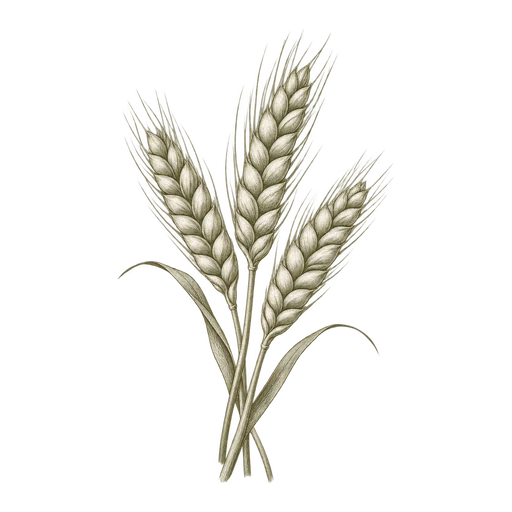
Bulk agricultural procurement spans grains, pulses, seeds and processed meals with different specifications and handling needs. This collection includes wheat, triticale, rice (white or brown), soybeans, soybean meal, yellow peas and White Proso. Compare offers by exact commodity identity, form and intended use—not by the assumption that a shared bulk format makes ingredients interchangeable. Names alone may not define a sufficient specification.
Red Siberian is a named foxtail millet variety associated with planting seed and forage production. Distinguish seed from harvested forage, and compare identity, purity, germination or feed-analysis information according to the material you need.
Bulk rice is sourced as brown or milled white rice, with whole- and broken-kernel options. The right choice depends on the end use: milling form changes the grain’s composition, while grain type, kernel condition and lot analysis help determine whether it fits a food process or feed formulation.
Soybeans are oilseeds sourced as whole beans or processed into distinct products such as soybean meal and oil. Identify the exact form and intended use first; heat treatment, analysis and grade matter when comparing lots for feed or food applications.
Triticale is a wheat–rye cereal grain used mainly in livestock feed, with separate food and forage applications. Compare whole or processed forms and evaluate each lot’s condition and analysis against its intended use.
White proso millet is white-seeded Panicum miliaceum used in birdseed, livestock feed and food processing. Compare whole, cracked or ground forms and specify the identity, quality analysis and receiving needs that fit the intended use.
White Wonder is a foxtail millet forage type most closely associated with short-season hay production. Identify whether a bulk requirement is planting seed or harvested forage, then compare the matching seed-quality or forage-analysis information.
Yellow peas are dry field peas sold whole, split or milled into flour for food ingredients and feed. Choose the form for the receiving process, and compare lot quality against the intended use.
Different commodities need different specifications
This collection brings together unlike agricultural commodities, not one interchangeable bulk-ingredient class. Wheat and triticale are grains; rice is offered in distinct milling forms; soybeans are whole seeds, while soybean meal is a processed feed ingredient. Yellow peas and White Proso add pulse and millet options. Quality requirements should follow the actual commodity and its intended use.
Names such as Red Siberian and White Wonder do not, on their own, establish a clear commodity identity or purchasing specification. Confirm the identity and form before comparing offers or setting acceptance criteria.
Write requirements around end use
For grains covered by official standards, a grade can provide a shared inspection framework, but it does not necessarily cover every processing or feed requirement. State the required class or form, then identify relevant limits such as moisture, test weight, foreign material, damaged kernels or other end-use tests. For wheat, specify protein basis when protein is part of the requirement.
Rice should be identified as brown or milled white rice, with kernel type and broken-kernel limits stated where relevant. For feed, define the species and ration context alongside nutrient and processing requirements; the name soybean meal alone does not establish suitability for every animal or life stage.
Plan sampling, delivery and storage together
A useful bulk agreement identifies the commodity, form, quantity and unit, quality limits and test basis, sampling and inspection method, delivery and unloading arrangement, and the procedure for out-of-specification loads. A representative sample matters: precise test limits are of little value if the sample does not reflect the lot.
Confirm how the material will be received and stored, including the unloading method and the condition of the storage space. Moisture, temperature, cleanliness and storage duration affect grain condition; storage targets are commodity- and duration-specific, not transferable from wheat to rice, peas, soybeans or meal.
Common questions.
Is an official grain grade enough to define a purchase?+
Not always. Add measurable requirements for the intended use, including any relevant tests or limits not covered by the grade.
What should a rice specification say?+
Identify brown or milled white rice and state relevant kernel-type and broken-kernel requirements.
Can a commodity name establish that an ingredient is food-grade or feed-grade?+
No. Specify the intended use and confirm the applicable quality tests and documentation for that use.
What details should a bulk purchase agreement include?+
Include commodity identity and form, quantity and unit, quality limits and test basis, sampling and inspection, delivery and unloading terms, and the process for handling a load that fails specification.
Bulk agricultural procurement · BUYER INSIGHTS
Go deeper before you source.
Focused guides to the specification, application, and delivery questions behind this ingredient.