Grains
Alfalfa
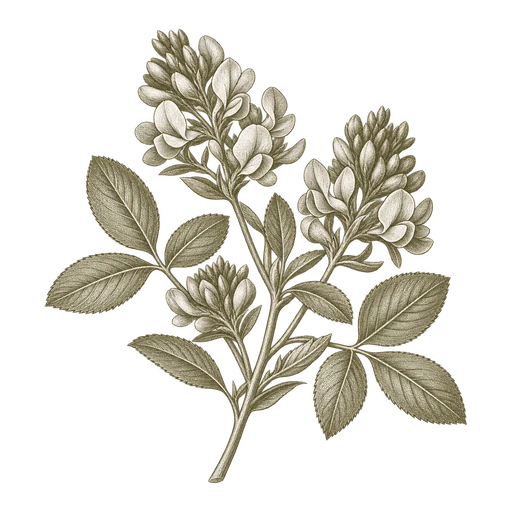
Alfalfa is a forage legume sourced as hay, silage, meal or pellets for livestock feed. Match the form to receiving and ration needs, then compare a lot-specific analysis on a consistent basis.
Explore ingredientSoybean meal protein percentages reported as-fed and on a dry-matter basis cannot be compared directly. Align moisture, reporting basis, method information, and the context of each COA before evaluating supplier values.
A protein percentage reported as-fed includes the water in the soybean meal sample. A dry-matter percentage removes the effect of that water mathematically, expressing protein relative to the sample’s dry portion. The two values describe the same material on different bases; they are not directly comparable until you put them on the same basis.
This distinction matters when reviewing bulk offers, certificates of analysis (COAs), or feed formulation records. A lower as-fed percentage does not by itself establish that a lot contains less protein in its dry matter. Differences in moisture can change the as-fed figure even when the dry-matter protein concentration is unchanged.
To convert an as-fed protein value to a dry-matter basis, divide the protein percentage as-fed by the dry-matter fraction. The dry-matter fraction is one minus the moisture percentage expressed as a decimal. For example, if a hypothetical sample reports 46% protein and 12% moisture as-fed, its dry-matter fraction is 0.88. Dividing 46 by 0.88 gives about 52.3% protein on a dry-matter basis.
To convert from dry matter to as-fed, multiply the dry-matter protein percentage by the dry-matter fraction. Keep the original numbers and units visible in your comparison sheet, and label the converted result as calculated. Rounding can create small differences, so use the same rounding convention when comparing offers.
This arithmetic adjusts for moisture only. It does not reconcile differences in laboratory methods, sample handling, or the characteristics of the soybean meal itself. A conversion is therefore useful for putting percentages on a common basis, not for proving that two lots are equivalent.
Start with the exact protein result and its reporting basis. Then compare the moisture result from the same sample or analysis, noting whether moisture is stated as-fed and in percent. Without a matching moisture figure, a dry-matter conversion cannot be checked reliably.
Read the COA for the protein terminology used, the analytical method or method reference, the sample or lot identification, and the date or testing context. Protein in feed analysis is commonly reported as crude protein, but do not assume that every document uses identical terminology or procedures. If a method is not clear, request the method details before treating the results as directly comparable.
Check whether the supplier’s stated value is a guaranteed specification, a representative analysis, or a result for a particular lot. Those descriptions serve different purposes: a representative value helps describe an offer, while a lot result relates to the material tested. A numeric match does not remove the need to understand what the value represents.
For a supplier comparison, place both protein results on the same basis, use moisture values associated with the relevant analyses, and record the method information alongside the calculation. If one document reports protein as-fed and another on a dry matter basis, convert one result rather than comparing the printed percentages as though they were equivalent.
For ration work, use the basis required by the formulation system and keep that basis consistent across ingredients. If the nutritionist or formulation software expects as-fed values, a dry-matter figure must be converted before use; if it expects dry-matter values, the reverse applies. Mixing bases can distort the comparison even when each individual COA is accurate.
Protein is only one part of soybean meal evaluation. Buyers and nutritionists may also need other measures relevant to the intended use, but those should be assessed on their own definitions and bases rather than inferred from the protein percentage.
For each offer, record the product identity, lot or sample reference, protein value, protein basis, moisture value and basis, method information, and whether the protein figure is a lot result or a stated specification. Add any conversion and its calculation, rather than replacing the original reported result. This gives colleagues a way to retrace the comparison and spot mismatched assumptions.
When a COA omits a needed field, ask specifically for the protein reporting basis, associated moisture result, and method information. These details determine whether a conversion is possible and whether the comparison is meaningful. Then review the broader product details on the Bulk Ag Exchange Soybean Meal page as you evaluate the ingredient for sourcing.
Not by itself. Dry-matter reporting removes moisture from the percentage calculation, but it does not establish overall quality or suitability. Compare the same product characteristics, analytical basis, and relevant method information, then evaluate other requirements for the intended formulation.
No reliable dry-matter conversion is possible without a moisture value that applies to the relevant sample or lot. The calculation depends on the dry-matter fraction, which is derived from moisture.
Ask for the method or method reference and whether the reported results are comparable under those procedures. A mathematical basis conversion corrects for moisture; it does not reconcile differences in testing methods or sample handling.
Focused guides to the specification, application, and delivery questions behind this ingredient.
A practical pre-shipment guide to coordinating bulk soybean meal delivery, receiving equipment, lot paperwork, sampling and dry, clean storage.
Read this InsightA dairy ration decision starts with the complete diet: forage, animal group, other protein sources, and the nutritionist’s nutrient and amino-acid targets. This checklist explains how to evaluate soybean meal’s role and what offer details to discuss before sourcing.
Read this InsightFrame a sourcing conversation around formulation requirements, source consistency, and your delivery program.
Read this Insight
A practical guide to volume, specifications, delivery, and the details that make a bulk ingredient inquiry useful.
Read this InsightAlfalfa is a forage legume sourced as hay, silage, meal or pellets for livestock feed. Match the form to receiving and ration needs, then compare a lot-specific analysis on a consistent basis.
Explore ingredientAlfalfa meal is ground forage used in animal feed, with sun-cured and dehydrated processing routes and meal or pellet forms. Compare the offered process, physical form and analysis against the needs of the species and feed formulation.
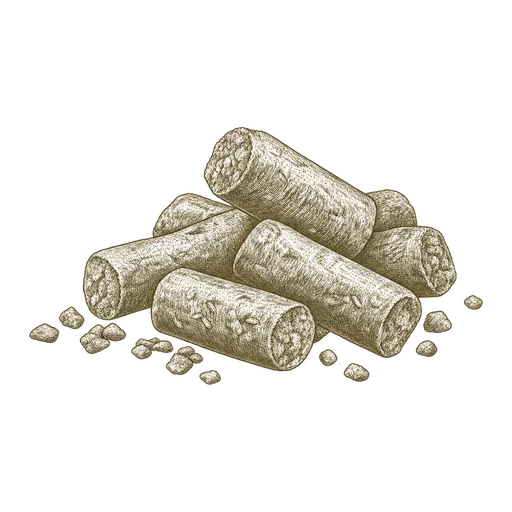
Explore ingredientAlfalfa pellets are ground, compressed forage used in livestock feeding and compound feeds. Compare the drying process, alfalfa material, forage analysis and pellet characteristics to choose a form that fits your ration and receiving setup.
Explore ingredientAlmond hulls are the dried outer layer of the almond fruit, sourced for ruminant feed as hull-only material or as a hull-and-shell mixture. Compare the lot’s composition, physical form, and handling needs before arranging a bulk shipment.
Explore ingredient