Independent sourcing. Better connections.Commercial buyers · Bulk ingredients
tag

Protein meals

Explore fish meal and soybean meal as distinct bulk protein ingredients for animal-feed formulation. Compare source, processing and lot analyses against the target ration rather than treating the meals as interchangeable.

2 ingredients6 published Insights
EXPLORE THE COLLECTION

Protein meals ingredients

Feed Ingredients

Fish Meal

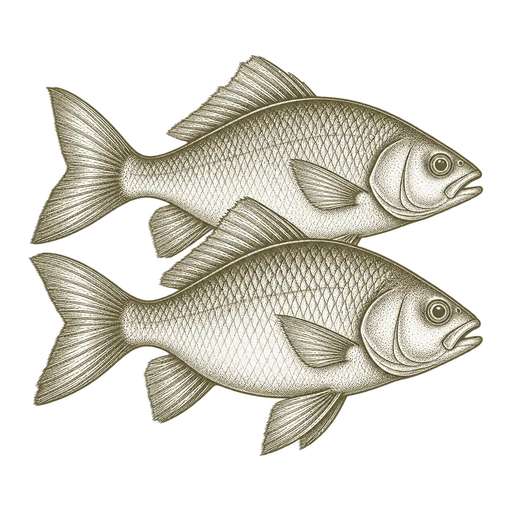
Fish meal is a dried, ground feed ingredient made from whole fish, fish parts or processing residues. Used in livestock and aquaculture feeds, it varies with raw material and processing, so compare lot analysis, product identity and handling details before arranging a bulk shipment.

Explore ingredient

Two protein meals, different sources

This collection brings together fish meal and soybean meal for animal-feed formulation. Fish meal is produced from whole fish or fish-processing material through heating, pressing and drying. Soybean meal is the residue after soybean oil extraction; its form depends in part on extraction method and whether hulls are retained.

Those differences affect more than ingredient origin. Soybean meal’s protein and fiber profile varies with processing and dehulling. Fish meal’s composition reflects raw-material source and processing, while its ash and salt content can matter to ration design. The names alone do not establish equivalent nutrient value.

Compare against the target ration

Soybean meal is a plant-protein source used in livestock and poultry diets. Fish meal provides protein and amino acids, and can also contribute minerals and energy. Its role depends on the product and the animal’s species and life stage. Neither ingredient has a universal inclusion rate or a direct one-for-one replacement relationship; compare verified analyses within the complete formulation.

Specify the lot, not just the ingredient

For soybean meal, identify the extraction form and dehulled status, then compare crude protein, moisture, fiber and residual fat. Processing-quality indicators such as urease activity or protein solubility may be relevant to the intended feed. For fish meal, review crude protein, moisture, fat, ash and salt; consider additional quality tests where the formulation calls for them.

Request a lot-specific analysis with units, reporting basis and test methods stated. Confirm the physical form and bulk-delivery format against your receiving and storage setup. Color or odor can prompt further questions about fish meal, but visual checks do not replace laboratory results.

Common questions.

Can fish meal replace soybean meal directly?+

No fixed one-for-one substitution follows from their category names. Compare lot analyses and formulate for the target species, life stage and complete ration.

Why can soybean meal analyses differ?+

Extraction method and whether hulls are retained affect its composition. Confirm the meal form and compare the offered lot’s analysis rather than relying on a generic protein value.

Which analyses are useful for fish meal?+

Start with crude protein, moisture, fat, ash and salt. Add quality tests relevant to the intended feed and your purchasing specification.

What should a bulk buyer verify on the certificate of analysis?+

Check that it represents the offered lot and states the test methods, units and as-fed or dry-matter reporting basis.

Protein meals · BUYER INSIGHTS

Go deeper before you source.

Focused guides to the specification, application, and delivery questions behind this ingredient.

FIELD GUIDE01Protein meals
Buyer’s guide

Soybean Meal Bulk Receiving and Storage: Questions for Buyers and Facilities

A practical pre-shipment guide to coordinating bulk soybean meal delivery, receiving equipment, lot paperwork, sampling and dry, clean storage.

Read this Insight
FIELD GUIDE02Protein meals
Buyer’s guide

Evaluating Soybean Meal for Dairy Cattle Rations: A Formulation Checklist

A dairy ration decision starts with the complete diet: forage, animal group, other protein sources, and the nutritionist’s nutrient and amino-acid targets. This checklist explains how to evaluate soybean meal’s role and what offer details to discuss before sourcing.

Read this Insight
FIELD GUIDE03Protein meals
Buyer’s guide

How to Compare Soybean Meal Protein Values on As-Fed and Dry-Matter Bases

Soybean meal protein percentages reported as-fed and on a dry-matter basis cannot be compared directly. Align moisture, reporting basis, method information, and the context of each COA before evaluating supplier values.

Read this Insight
FIELD GUIDE04Protein meals
Buyer’s guide

Planning fish meal receiving, storage and inventory handling

Plan fish meal receiving around the offered shipment format, site unloading capacity and dry, clean storage. Track lot identity, manufacture date and storage history without assuming a shelf life or shipment arrangement.

Read this Insight
FIELD GUIDE05Protein meals
Buyer’s guide

Evaluating fish meal for an aquaculture feed formulation

Evaluate fish meal for aquaculture diets by relating the offered lot’s composition to species and life-stage needs, the complete formula, and the feed manufacturing process.

Read this Insight
FIELD GUIDE06Protein meals
Buyer’s guide

How species and analysis basis affect fish meal comparisons

Species and raw-material descriptions give context for fish meal analysis, but meaningful comparisons also require protein, lipid, ash and moisture values reported on a consistent as-fed or dry-matter basis.

Read this Insight