Grains
Alfalfa
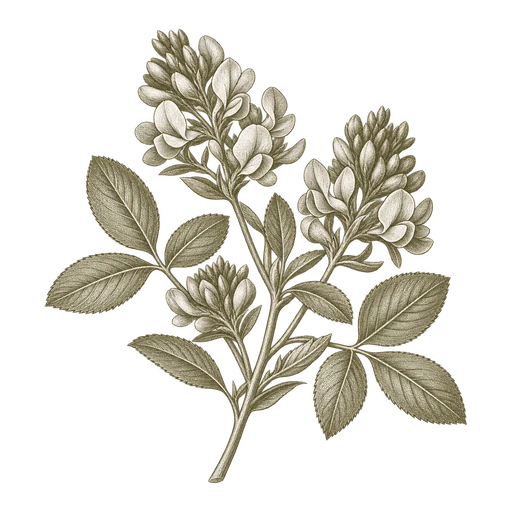
Alfalfa is a forage legume sourced as hay, silage, meal or pellets for livestock feed. Match the form to receiving and ration needs, then compare a lot-specific analysis on a consistent basis.
Explore ingredientA dairy ration decision starts with the complete diet: forage, animal group, other protein sources, and the nutritionist’s nutrient and amino-acid targets. This checklist explains how to evaluate soybean meal’s role and what offer details to discuss before sourcing.
Soybean meal is a protein ingredient used in dairy cattle rations. Its value in a particular ration depends on what the rest of the diet supplies and what the nutritionist is trying to balance. It is not a stand-alone answer to a protein shortfall: forage, other concentrates, animal group, and the ration’s energy supply all affect how it fits.
Begin by identifying the group being fed and the ration being formulated. A diet for lactating cows has different formulation objectives from one for dry cows or heifers. Then account for the forage base and all other ingredients. This makes it possible to see whether soybean meal contributes a needed nutrient or simply adds more of something already supplied.
Crude protein is a useful starting point for comparing feed ingredients, but it does not describe the whole protein contribution to a cow. Ruminants use nitrogen in the rumen, and the amount of feed protein broken down there versus passing to the lower digestive tract matters to ration formulation. The nutritionist therefore needs to evaluate soybean meal within the full diet, rather than rely on a single protein figure.
Amino-acid balance also matters, particularly when a ration is being formulated to meet specific metabolizable protein and amino-acid targets. Lysine and methionine are commonly considered in dairy ration formulation. The relevant question is not whether soybean meal is simply “high protein,” but how its nutrient contribution compares with the ration’s targets and the contributions of its other ingredients. Do not assume an amino-acid profile or protein availability from the ingredient name alone; use appropriate composition information for the offered material.
Forage type and quality shape the amount and kind of protein, fiber, and energy already present in a ration. The same soybean meal can play a different role in a forage-based diet than in one that includes other protein ingredients or concentrates. Have the nutritionist consider the complete ration, including forage analysis where available, rather than make a decision from a fixed ingredient rule.
The other protein sources matter too. Their nutrient profiles and rumen protein characteristics can complement or overlap with soybean meal’s contribution. If the formula already meets its protein and amino-acid goals, adding soybean meal may require changes elsewhere rather than being a simple addition. The intended cow group, production stage, and the ration’s broader objectives should guide those adjustments.
Soybean meal describes a soybean-processing co-product, but supplier offers can differ in processing and composition. Processing affects the resulting meal’s nutrient characteristics, including how its protein behaves in the rumen. A formulation based on a book value may not represent the lot being considered, so the nutritionist should use a suitable analysis or documented composition for the specific offer when available.
Ask what the offered material is and what analysis accompanies it. Compare values on a consistent basis, and make sure the analysis covers the measures the nutritionist needs for the formulation. Processing descriptions are useful only when they clarify a meaningful difference in nutrient use; they should not be treated as a substitute for composition data.
Before selecting soybean meal, give the nutritionist the target animal group, current ration, forage information, other protein sources, and the nutrient or amino-acid objectives. Ask how the ingredient changes the complete ration, which ingredients it would replace or complement, and whether the formulation depends on a particular protein characteristic.
For a supplier discussion, ask for the offered soybean meal’s identity, form, available nutrient analysis, and relevant processing description. Clarify the analysis basis and whether the reported values represent the offered lot. These details help the nutritionist compare the offer against the assumptions used in the ration.
Once the formulation criteria are clear, visit the Bulk Ag Exchange Soybean Meal page to move from ration evaluation to sourcing. The product page can support an inquiry about the form and analysis relevant to your plan; exact offer details depend on the specific supplier proposal.
No single ingredient suits every ration in the same way. Its role depends on the cow group, forage, other ingredients, and the ration’s nutrient and amino-acid targets. A dairy nutritionist should assess it as part of the complete diet.
No. Crude protein helps describe an ingredient, but protein degradation in the rumen, protein available beyond the rumen, and amino-acid balance can also affect its contribution. Compare the offered analysis with the formulation’s requirements.
Request the offered product’s identity, form, available nutrient analysis, analysis basis, and relevant processing information. Share those details with the nutritionist so the actual offer can be compared with the composition assumptions used in the ration.
Focused guides to the specification, application, and delivery questions behind this ingredient.
A practical pre-shipment guide to coordinating bulk soybean meal delivery, receiving equipment, lot paperwork, sampling and dry, clean storage.
Read this InsightSoybean meal protein percentages reported as-fed and on a dry-matter basis cannot be compared directly. Align moisture, reporting basis, method information, and the context of each COA before evaluating supplier values.
Read this InsightFrame a sourcing conversation around formulation requirements, source consistency, and your delivery program.
Read this Insight
A practical guide to volume, specifications, delivery, and the details that make a bulk ingredient inquiry useful.
Read this InsightAlfalfa is a forage legume sourced as hay, silage, meal or pellets for livestock feed. Match the form to receiving and ration needs, then compare a lot-specific analysis on a consistent basis.
Explore ingredientAlfalfa meal is ground forage used in animal feed, with sun-cured and dehydrated processing routes and meal or pellet forms. Compare the offered process, physical form and analysis against the needs of the species and feed formulation.
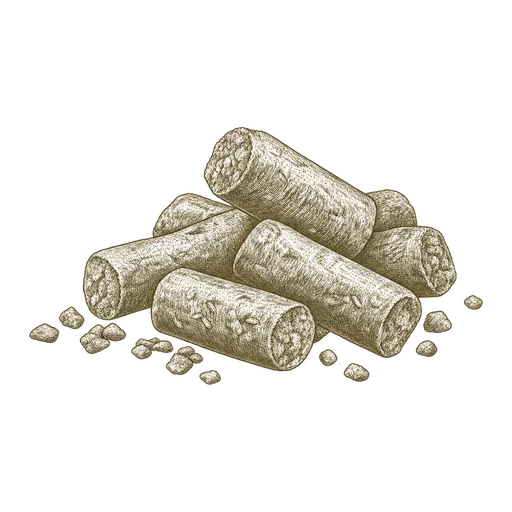
Explore ingredientAlfalfa pellets are ground, compressed forage used in livestock feeding and compound feeds. Compare the drying process, alfalfa material, forage analysis and pellet characteristics to choose a form that fits your ration and receiving setup.
Explore ingredientAlmond hulls are the dried outer layer of the almond fruit, sourced for ruminant feed as hull-only material or as a hull-and-shell mixture. Compare the lot’s composition, physical form, and handling needs before arranging a bulk shipment.
Explore ingredient