Independent sourcing. Better connections.Commercial buyers · Bulk ingredients
tag

Feed ingredient analysis

Feed ingredient analysis helps buyers evaluate a particular material and lot; it is not one universal test or a guarantee that ingredients in this collection share the same nutritional role. The collection includes oilseeds and oilseed products, marine-derived ingredients and spinach. Product names do not always state processing form or intended use, so establish the exact material before comparing results. Useful analysis depends on the ingredient and the decision at hand.

8 ingredients6 published Insights
EXPLORE THE COLLECTION

Feed ingredient analysis ingredients

Seeds

Safflower

Safflower is an oilseed sold as whole seed, oil and oil-extraction meal. For feed buyers, meal's hull content and extraction method shape its protein, fiber and residual oil profile, so compare the actual product analysis and intended use.

Explore ingredient

Animal Products

Salmon Oil

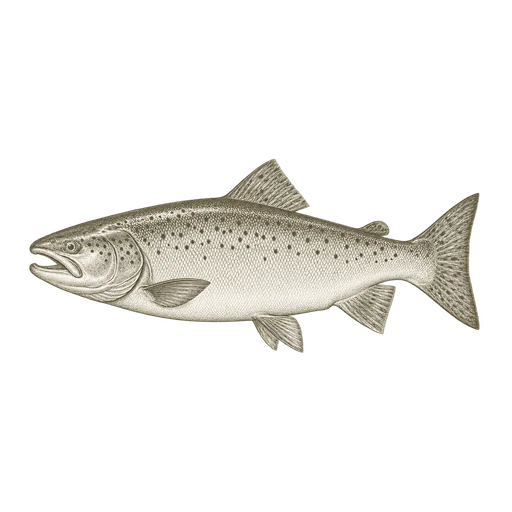
Salmon oil is a fish-derived lipid used as a fat and long-chain omega-3 source in animal-food formulations. Compare source, processing, intended-use grade, fatty-acid profile and oxidation results, then match the offered oil’s packaging and handling directions to your receiving setup.

Explore ingredient
Seeds

Sesame

Sesame is an oilseed sourced as whole or hulled seed, oil, and oil-extraction meal. Processing changes flavor, composition and use, so identify the exact form and compare quality measures suited to that product before arranging a bulk order.

Explore ingredient
Feed Ingredients

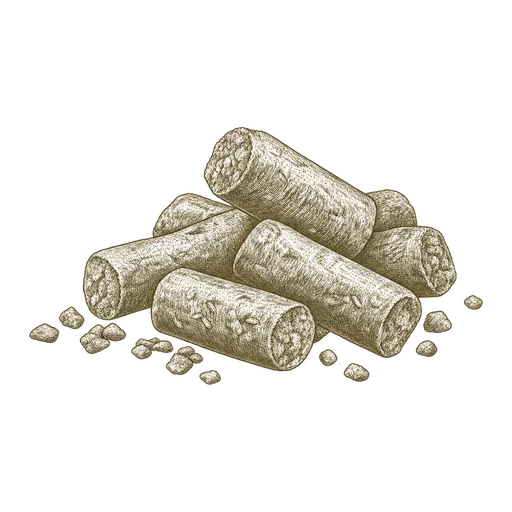
Soy Hull Pellets

Soy hull pellets are a pelleted, fiber-rich soybean co-product used in ruminant feed programs. Compare the offered lot analysis, any pellet additions, and physical handling characteristics to match the product to the ration and receiving setup.

Explore ingredient
Feed Ingredients

Soy Hulls

Soybean hulls are a digestible fiber energy feed used mainly in cattle rations. Source them loose or pelleted according to receiving needs, and compare current lot analysis and reporting basis before purchase.

Explore ingredient
Dried Vegetables

Spinach

Bulk spinach is sourced as fresh leaves or dried, ground leaf, and those forms have different uses and handling needs. Fresh spinach for processing is judged by condition and cleanliness; dried leaf requires product-specific composition and storage information.

Explore ingredient
Animal Products

Tuna Meal

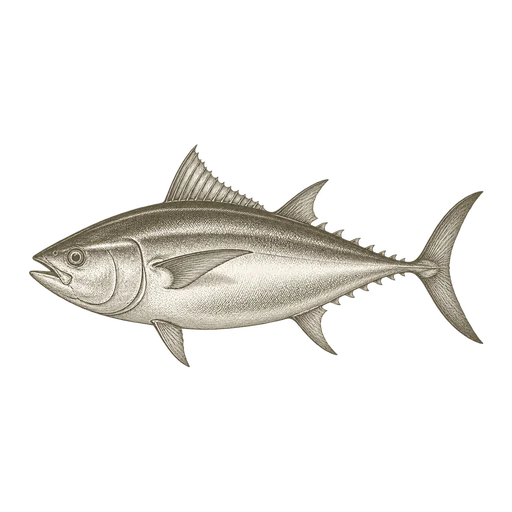
Tuna meal is a dried, ground fish ingredient used in feed formulations, including aquaculture diets. Its raw materials, processing, composition and physical form can differ, so compare lot analysis and handling requirements before arranging a bulk order.

Explore ingredient

A varied collection, not one nutritional category

Feed ingredient analysis is a way to evaluate a specific material and lot, not a single test that applies equally to every product here. This collection spans oilseeds and oilseed products, marine-derived ingredients and spinach. Safflower and sesame names alone do not establish the product’s processing form; spinach does not specify whether it is fresh or dried. Confirm the offered material, processing and intended use before comparing results.

The soy products illustrate why identity matters. Soybean meal is a protein-bearing residue from soybean oil production, while soy hulls are the soybean’s outer covering. Soy hull pellets are a pelleted form of the hulls, not another name for soybean meal. Pelleting increases bulk density and can reduce dust and material loss, which can affect handling and freight planning.

Match the lab panel to the buying question

Moisture or dry matter, crude protein, crude fat, fiber and ash can help characterize a feed ingredient, but no single measure establishes its overall nutritional value. Crude protein is calculated from nitrogen and includes nonprotein nitrogen; ash indicates mineral content without identifying individual minerals. Fiber measures such as NDF and ADF describe different components. Select measures according to the ingredient and intended diet rather than treating a general analysis as a complete suitability assessment.

For oils such as salmon oil, buyers may need lot-specific information on fatty-acid composition, oxidation or contaminants, depending on intended use. For any product, compare results on the same basis—such as as-fed or dry matter—and check the methods, sample date and lot identity. Published averages do not substitute for results on the material being offered.

Make the sample representative

A laboratory result is only useful for procurement if the sample represents the lot. Identify the lot and use a sampling procedure appropriate to bulk or bagged material; ask the laboratory for its preferred method and retain a sample when follow-up testing may be needed. For bulk handling, also establish the physical form and relevant properties such as bulk density, dustiness and flowability. These can differ by product and form, so do not infer them from the collection label.

Common questions.

Is crude protein enough to compare feed ingredients?+

No. Compare the reporting basis and method, and consider other measures relevant to the ingredient and intended diet. Crude protein alone does not describe fiber, fat, minerals or digestibility.

Are soy hulls and soy hull pellets the same product?+

Pellets are a processed form of soy hulls, with higher bulk density than loose hulls. Confirm the form and lot analysis because nutrient values can vary by source.

Can a published average replace analysis of the offered lot?+

No. A representative, identified sample and lot-specific results are more useful for comparing the material being purchased.

Does this tag mean every ingredient suits every animal or use?+

No. The tag groups materials for analysis; it does not establish their form, intended use or suitability for a particular species. Confirm those details for the product and lot.

Feed ingredient analysis · BUYER INSIGHTS

Go deeper before you source.

Focused guides to the specification, application, and delivery questions behind this ingredient.

FIELD GUIDE01Feed ingredient analysis
Buyer’s guide

Planning bulk tuna meal receiving and storage

Plan tuna meal receiving around the offered powder or pellet form, your unloading equipment and site constraints. Keep stored material dry and protected from contamination, and account for oxidation risk associated with residual oil.

Read this Insight
FIELD GUIDE02Feed ingredient analysis
Buyer’s guide

Evaluating tuna meal in aquaculture feed formulations

A practical evaluation framework for tuna meal in aquaculture diets, covering species and life stage, lot-specific nutrient analysis, feed-mill handling and contaminant requirements.

Read this Insight
FIELD GUIDE03Feed ingredient analysis
Buyer’s guide

How to compare tuna meal quality analysis

Compare tuna meal lots on a like-for-like analytical basis, then use lot-specific evidence on oxidation, nutrition, hygiene and contaminants to judge fit for your specification.

Read this Insight
FIELD GUIDE04Feed ingredient analysis
Buyer’s guide

Bulk spinach receiving and storage: fresh versus dried leaf

Fresh spinach needs prompt refrigerated receiving, while dried leaf and ground spinach require form- and package-specific handling. Match the receiving plan to the product you are sourcing.

Read this Insight
FIELD GUIDE05Feed ingredient analysis
Buyer’s guide

Dried spinach in layer-feed formulation: what the evidence answers

A study of ground dried spinach leaf in laying-hen diets can inform a specific formulation question, but it does not set a universal inclusion rate or guarantee egg-yolk color. Interpret findings in the context of the tested ration, measured outcomes and the analysis of the product being sourced.

Read this Insight
FIELD GUIDE06Feed ingredient analysis
Buyer’s guide

Spinach quality specifications: fresh leaves versus dried leaf

Fresh and dried spinach require different quality specifications. Define fresh-leaf condition under the applicable grade or buyer standard; specify dried spinach by its form, plant parts and relevant analytical measures.

Read this Insight