Grains
Alfalfa
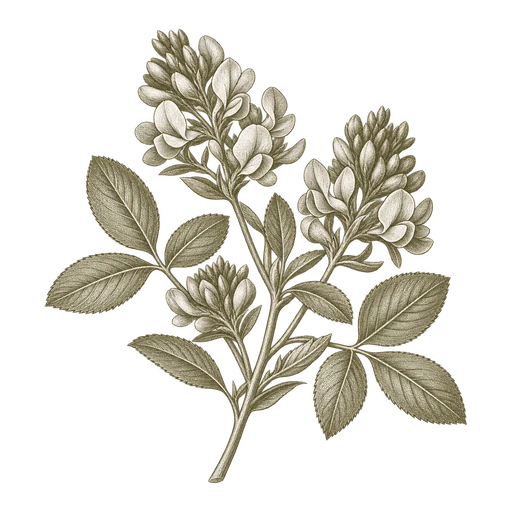
Alfalfa is a forage legume sourced as hay, silage, meal or pellets for livestock feed. Match the form to receiving and ration needs, then compare a lot-specific analysis on a consistent basis.
Explore ingredientA practical pre-shipment guide to coordinating bulk soybean meal delivery, receiving equipment, lot paperwork, sampling and dry, clean storage.
Before arranging a bulk soybean meal delivery, align the product description, quantity, delivery window and receiving setup between the supplier and the facility. Soybean meal is a protein-rich product made from soybeans after oil extraction. Its physical form can affect how it moves through unloading equipment and into storage, so specify the form required rather than relying on the ingredient name alone.
Share the delivery address, site contact, receiving hours and any appointment or access requirements. Explain how the facility accepts product and what equipment it can handle. Do not assume a particular transport mode or package: the order plan should match the supplier’s proposed shipment to the receiving site’s actual capabilities.
Check the route from the delivery point to the storage location. Confirm that the receiving system can accept the offered form and that the planned unloading method fits the facility’s connections, access, capacity and operating procedures. If the site has restrictions on vehicle access, unloading duration or delivery times, communicate them before dispatch; late discovery can leave a shipment waiting without a workable discharge plan.
Agree on the quantity and unit of measure, delivery window, receiving contact and how any delay or arrival change will be handled. These details help the supplier coordinate the shipment and help the site arrange staff and available storage space. Exact packaging, freight arrangements, lead times and commercial terms depend on the offer and should be settled for the specific order.
Ask what documents will accompany the lot and make sure the names and lot identifiers can be matched to the delivery. For feed use, buyers commonly need a product description and lot analysis or certificate of analysis to evaluate the material against their purchasing specification. The specific analysis, documentation and applicable requirements depend on the intended use, jurisdiction and transaction; do not treat one document set as suitable for every application.
Agree in advance whether the receiving facility will sample the lot, who will collect and retain samples, and how results or discrepancies will be handled. A written sampling plan helps avoid uncertainty after unloading, when material may already be mixed with existing inventory. At receipt, compare the delivered product identification and paperwork with the purchase agreement, and record any visible package or seal concerns before the material enters storage.
Soybean meal is a dry solid ingredient, so keeping it dry and protected from contamination is central to storage planning. Moisture intrusion or condensation can compromise material and complicate handling. Prepare a clean, dry storage location before arrival, check that the receiving path is free of residues from other products, and protect the ingredient from water entry during unloading and storage.
Use the facility’s established housekeeping and pest-prevention practices, and keep the lot identifiable until it is accepted under the site’s procedures. Avoid mixing new material with existing stock before required receipt checks are complete. Storage duration and operating limits should follow the supplier’s product guidance and the facility’s own quality system rather than an assumed universal shelf life.
Before dispatch, make sure both parties have agreed on the soybean meal form, quantity and unit, destination, delivery timing, receiving contact, unloading compatibility, required documentation, sampling responsibilities and storage readiness. Also identify any site access limits or special receiving procedures that could affect the shipment. This concise handoff gives the supplier the information needed to coordinate the offer and gives the facility time to prepare.
For a supply inquiry, start with the Bulk Ag Exchange Soybean Meal page and include the receiving details that shape the shipment plan. Packaging, transport arrangements, analysis, availability and commercial terms are specific to the offer and need to be established with the broker.
Provide the required product form, quantity and unit, delivery address and timing, receiving contact, site access limits, unloading capabilities, documentation needs and sampling procedure. These details let the shipment plan account for the actual receiving facility.
Match the product identification and lot information to the order and accompanying documents. Follow the site’s agreed sampling and inspection procedures, record visible package or seal concerns, and complete required checks before combining the lot with existing inventory.
Keep it in a clean, dry location and protect it from moisture, condensation and contamination. Follow the supplier’s product guidance and the facility’s quality and pest-prevention procedures; do not assume a universal shelf life or storage limit.
No single transport or packaging arrangement should be assumed. Specify the form and explain the facility’s unloading equipment and constraints so the proposed shipment can be checked for compatibility before dispatch.
Focused guides to the specification, application, and delivery questions behind this ingredient.
A dairy ration decision starts with the complete diet: forage, animal group, other protein sources, and the nutritionist’s nutrient and amino-acid targets. This checklist explains how to evaluate soybean meal’s role and what offer details to discuss before sourcing.
Read this InsightSoybean meal protein percentages reported as-fed and on a dry-matter basis cannot be compared directly. Align moisture, reporting basis, method information, and the context of each COA before evaluating supplier values.
Read this InsightFrame a sourcing conversation around formulation requirements, source consistency, and your delivery program.
Read this Insight
A practical guide to volume, specifications, delivery, and the details that make a bulk ingredient inquiry useful.
Read this InsightAlfalfa is a forage legume sourced as hay, silage, meal or pellets for livestock feed. Match the form to receiving and ration needs, then compare a lot-specific analysis on a consistent basis.
Explore ingredientAlfalfa meal is ground forage used in animal feed, with sun-cured and dehydrated processing routes and meal or pellet forms. Compare the offered process, physical form and analysis against the needs of the species and feed formulation.
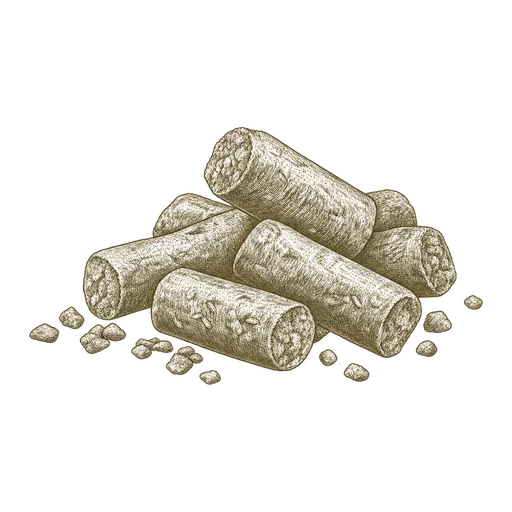
Explore ingredientAlfalfa pellets are ground, compressed forage used in livestock feeding and compound feeds. Compare the drying process, alfalfa material, forage analysis and pellet characteristics to choose a form that fits your ration and receiving setup.
Explore ingredientAlmond hulls are the dried outer layer of the almond fruit, sourced for ruminant feed as hull-only material or as a hull-and-shell mixture. Compare the lot’s composition, physical form, and handling needs before arranging a bulk shipment.
Explore ingredient