Independent sourcing. Better connections.Commercial buyers · Bulk ingredients
tag

Soybean co-products

Soybean co-products in this collection include Soybean Meal, Soy Hulls and Soy Hull Pellets. They are not interchangeable: soybean meal is the protein-focused product remaining after oil extraction, while hulls are the outer coverings of the bean. Pellets are a physical form of hulls. For bulk feed purchasing, compare the offered lot’s analysis and physical form with your ration and receiving equipment.

3 ingredients6 published Insights
EXPLORE THE COLLECTION

Soybean co-products ingredients

Feed Ingredients

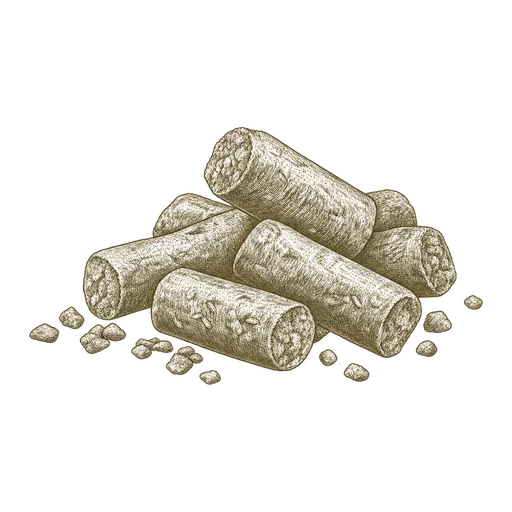
Soy Hull Pellets

Soy hull pellets are a pelleted, fiber-rich soybean co-product used in ruminant feed programs. Compare the offered lot analysis, any pellet additions, and physical handling characteristics to match the product to the ration and receiving setup.

Explore ingredient
Feed Ingredients

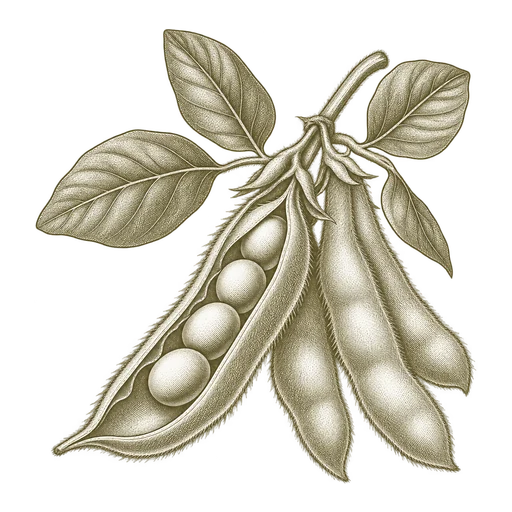
Soy Hulls

Soybean hulls are a digestible fiber energy feed used mainly in cattle rations. Source them loose or pelleted according to receiving needs, and compare current lot analysis and reporting basis before purchase.

Explore ingredient

Three products, two distinct co-products

This collection brings together Soybean Meal, Soy Hulls and Soy Hull Pellets. Soybean meal is the protein-focused product left after oil is removed from soybean flakes. Soy hulls are the beans’ outer coverings. Hull pellets are those hulls in pelleted form, not a separate nutritional category.

Some soybean meal may have hulls added back during processing, so meal composition can differ between products. Buyers comparing meal should clarify whether hulls are included and assess the offered product’s analysis rather than relying on the product name alone.

Compare feed role and product form

For livestock feed buyers, soybean meal and hulls serve different purposes in a ration. Meal is the higher-protein option in the cattle-feed values reviewed; hulls contribute fiber and can provide energy in forage-based cattle diets. Hulls are not a direct substitute for meal simply because both come from soybean processing.

Choose between loose hulls and pellets with receiving and handling in mind. Loose hulls are bulky and can be dusty; pelleting increases bulk density and can simplify transport and movement. Confirm the offered form works with your unloading and conveying equipment.

Evaluate the offered lot

Request a current analysis for the specific lot. Compare dry matter, crude protein, total digestible nutrients, crude fiber and relevant minerals, checking the analysis basis and sample date. Published feed-table values are guides, not guaranteed specifications for a load.

Compare delivered cost against the nutrient contribution required by your formulation, not price per ton alone. For cattle diets, ration balance and feeding management matter; have a qualified nutritionist assess the ingredient within the complete ration.

Common questions.

Are soy hull pellets a different ingredient from soy hulls?+

They are hulls in a pelleted physical form. Pelleting increases bulk density; confirm the form and its specifications for the offered lot.

Can soy hulls replace soybean meal?+

They are not interchangeable by name or feed role: soybean meal is the higher-protein product in the cattle-feed values reviewed. Any substitution needs to be formulated against animal nutrient requirements.

What analysis should I request for a bulk purchase?+

Request a current lot analysis that identifies the basis and sample date. Useful comparison measures include dry matter, crude protein, total digestible nutrients, crude fiber and minerals.

What should I check when buying soybean meal?+

Ask whether hulls have been added back and review the offered lot’s analysis. Meal composition can vary with processing and product specification.

Soybean co-products · BUYER INSIGHTS

Go deeper before you source.

Focused guides to the specification, application, and delivery questions behind this ingredient.

FIELD GUIDE01Soybean co-products
Buyer’s guide

Soybean Meal Bulk Receiving and Storage: Questions for Buyers and Facilities

A practical pre-shipment guide to coordinating bulk soybean meal delivery, receiving equipment, lot paperwork, sampling and dry, clean storage.

Read this Insight
FIELD GUIDE02Soybean co-products
Buyer’s guide

Evaluating Soybean Meal for Dairy Cattle Rations: A Formulation Checklist

A dairy ration decision starts with the complete diet: forage, animal group, other protein sources, and the nutritionist’s nutrient and amino-acid targets. This checklist explains how to evaluate soybean meal’s role and what offer details to discuss before sourcing.

Read this Insight
FIELD GUIDE03Soybean co-products
Buyer’s guide

How to Compare Soybean Meal Protein Values on As-Fed and Dry-Matter Bases

Soybean meal protein percentages reported as-fed and on a dry-matter basis cannot be compared directly. Align moisture, reporting basis, method information, and the context of each COA before evaluating supplier values.

Read this Insight
FIELD GUIDE04Soybean co-products
Buyer’s guide

Planning bulk soybean hulls receiving and storage

Plan bulk soybean hulls delivery around the difference between bulky loose hulls and denser pellets, with receiving capacity, unloading, dust and moisture protection in mind.

Read this Insight
FIELD GUIDE05Soybean co-products
Buyer’s guide

When can soybean hulls replace forage or grain in cattle rations?

Soybean hulls can contribute digestible fiber energy in cattle rations, but they are not a one-for-one substitute for grain or effective forage. Understand the difference before considering a ration change.

Read this Insight
FIELD GUIDE06Soybean co-products
Buyer’s guide

How to compare soybean hulls analysis across bulk lots

Compare soybean hulls analyses for cattle feed by aligning moisture, crude protein, fiber and energy results on a clear, consistent basis. Learn why as-fed and dry-matter values differ and how to use lot analysis alongside ration requirements.

Read this Insight