Grains
Alfalfa
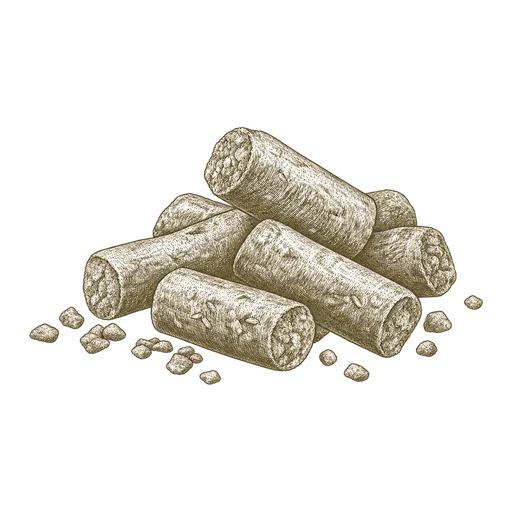
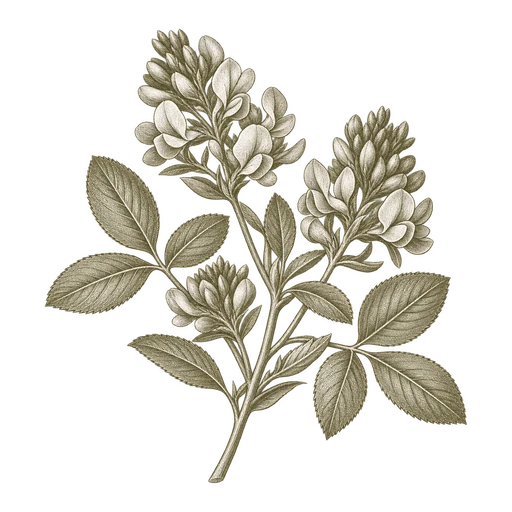
Alfalfa is a forage legume sourced as hay, silage, meal or pellets for livestock feed. Match the form to receiving and ration needs, then compare a lot-specific analysis on a consistent basis.
Explore ingredientA practical guide to volume, specifications, delivery, and the details that make a bulk ingredient inquiry useful.

A request for a price is easier to act on when it explains what you need to purchase and how the ingredient will be used. Start with the ingredient name, your business, and the intended application. If you are comparing alternatives, say so rather than submitting several requests that appear unrelated.
For a feed program, a request for soybean meal or yellow corn should include the formulation requirements that matter to your operation. For a dairy ingredient such as whey permeate, specify the food or feed application and any required processing characteristics. A general ingredient name is a starting point, not a complete specification.
Use a quantity and a clear unit. Metric tons, short tons, truckloads, and railcars describe different requirements. If you use truckloads or railcars, discuss the expected load size when reviewing the quote.
Separate the initial order from recurring demand. A monthly program and a one-time purchase may need different supply conversations. State when the first shipment should arrive, how flexible that date is, and the expected cadence for later deliveries.
Include the destination and practical limits at your facility. Packaging, storage, unloading equipment, receiving hours, and appointment requirements can affect whether a supply option works for you.
Ask for a quote that makes the delivery basis clear. Confirm which charges are included and which arrangements remain your responsibility. A product price is only one part of the purchasing decision.
Share your required quality documents, applicable certifications, and any specification sheet you use internally. If a requirement is mandatory, mark it clearly. The broker should confirm it with the supplier rather than assume a match.
Bulk Ag Exchange brings these details together in one sourcing request. The result is a better starting point for a direct conversation about suitability, pricing, and supply.
Focused guides to the specification, application, and delivery questions behind this ingredient.
A practical pre-shipment guide to coordinating bulk soybean meal delivery, receiving equipment, lot paperwork, sampling and dry, clean storage.
Read this InsightA dairy ration decision starts with the complete diet: forage, animal group, other protein sources, and the nutritionist’s nutrient and amino-acid targets. This checklist explains how to evaluate soybean meal’s role and what offer details to discuss before sourcing.
Read this InsightSoybean meal protein percentages reported as-fed and on a dry-matter basis cannot be compared directly. Align moisture, reporting basis, method information, and the context of each COA before evaluating supplier values.
Read this InsightFrame a sourcing conversation around formulation requirements, source consistency, and your delivery program.
Read this InsightAlfalfa is a forage legume sourced as hay, silage, meal or pellets for livestock feed. Match the form to receiving and ration needs, then compare a lot-specific analysis on a consistent basis.
Explore ingredientAlfalfa meal is ground forage used in animal feed, with sun-cured and dehydrated processing routes and meal or pellet forms. Compare the offered process, physical form and analysis against the needs of the species and feed formulation.
Explore ingredientAlfalfa pellets are ground, compressed forage used in livestock feeding and compound feeds. Compare the drying process, alfalfa material, forage analysis and pellet characteristics to choose a form that fits your ration and receiving setup.
Explore ingredientBeet pulp pellets are a dried, compacted sugar beet co-product used as a fibrous, energy-bearing ingredient in livestock feed. Compare molasses status, lot analysis and pellet handling needs to match the product to your ration and receiving setup.
Explore ingredient