Independent sourcing. Better connections.Commercial buyers · Bulk ingredients
topic

Ingredient quality analysis

Ingredient quality analysis is specific to the material, its processing and intended use. Compare lot-linked results with agreed specifications, and consider sampling quality alongside the test values.

14 ingredients6 published Insights
EXPLORE THE COLLECTION

Ingredient quality analysis ingredients

Feed Ingredients

Soy Hulls

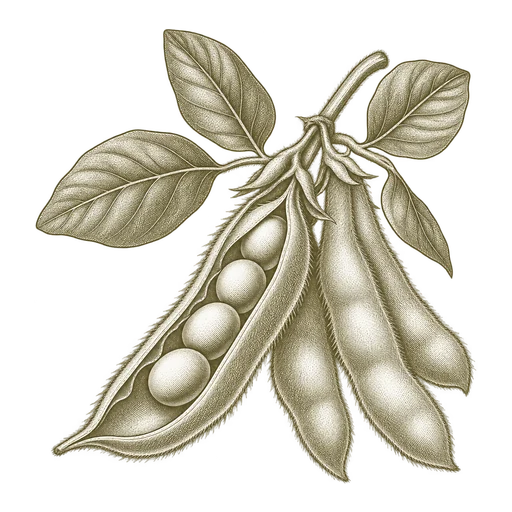
Soybean hulls are a digestible fiber energy feed used mainly in cattle rations. Source them loose or pelleted according to receiving needs, and compare current lot analysis and reporting basis before purchase.

Explore ingredient
Starches/Fibers/Proteins

Soy Protein Concentrate

Soy protein concentrate is a processed soybean protein ingredient supplied in forms such as powder, granules or textured product. Compare the form, protein basis, processing details and intended market to match the ingredient to a food process or feed formulation.

Explore ingredient
Pulses

Split Green Peas

Split green peas are dried mature field peas that have been dehulled and split for cooking and food manufacturing. Compare seed condition, moisture, fines, and analysis basis, then match the order and receiving plan to the intended use.

Explore ingredient
Animal Products

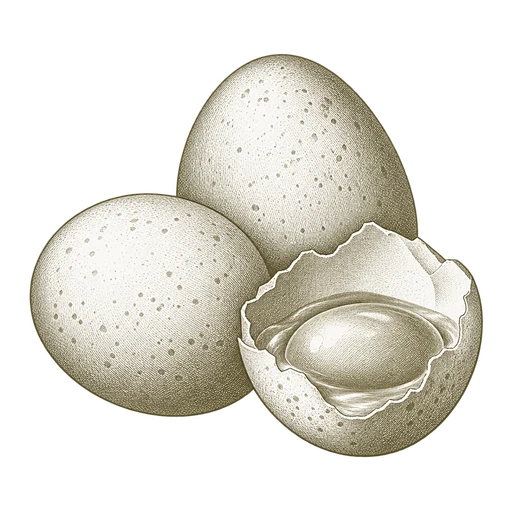
Spray Dried Egg Powder

Spray-dried egg powder may be whole egg, egg white, yolk or a blend. Identify the exact composition, intended use and handling needs before comparing bulk offers, since these choices affect formulation, quality requirements and receiving plans.

Explore ingredient
Seeds

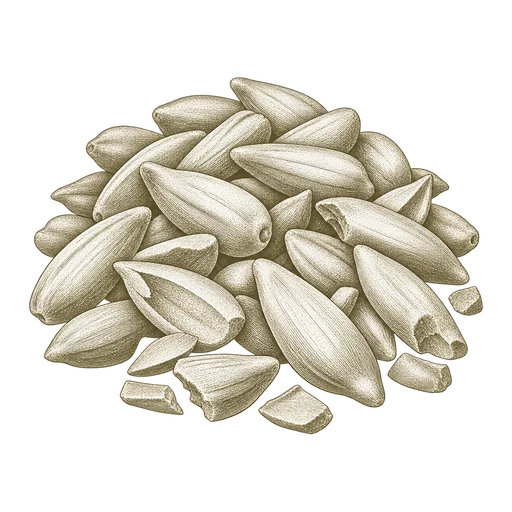
Sunflower Seeds

Sunflower seeds are sourced as oil-type or confectionery seed, in-shell seed or kernels, with meal available as a distinct oil-processing co-product. Match the form and quality measures to the intended food, oil, feed, or birdseed use.

Explore ingredient
Dried Vegetables

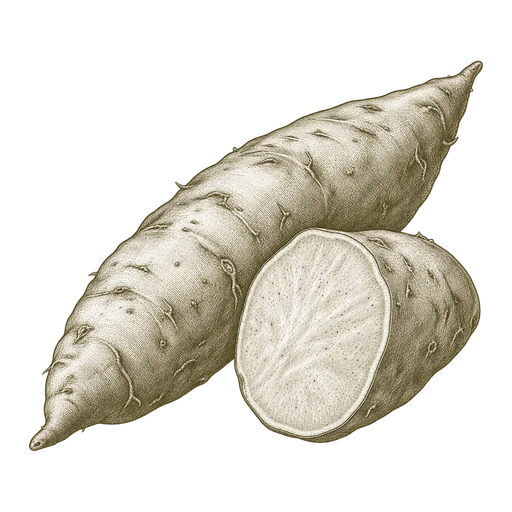
Sweet Potato

Sweet potato bulk materials include roots, vines and processing co-products. Identify the plant part, form and processing method first, then compare composition and handling needs for the intended food or feed use.

Explore ingredient
Starches/Fibers/Proteins

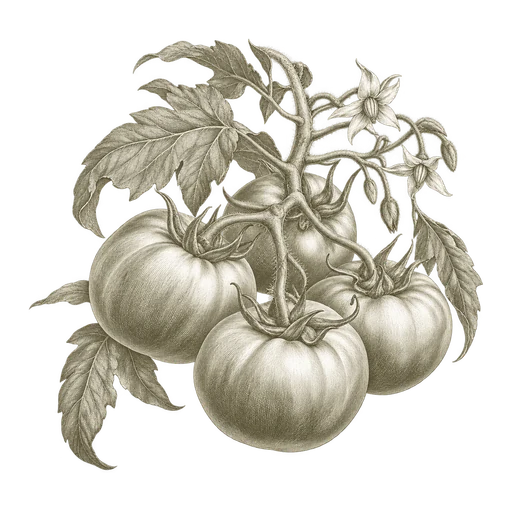
Tomato Pomace

Tomato pomace is a variable tomato-processing residue used in livestock feed and, in dried form, some pet-food formulations. Compare wet, dried or ensiled material by its composition, moisture and intended use before arranging a bulk shipment.

Explore ingredient
Starches/Fibers/Proteins

Wheat Starch

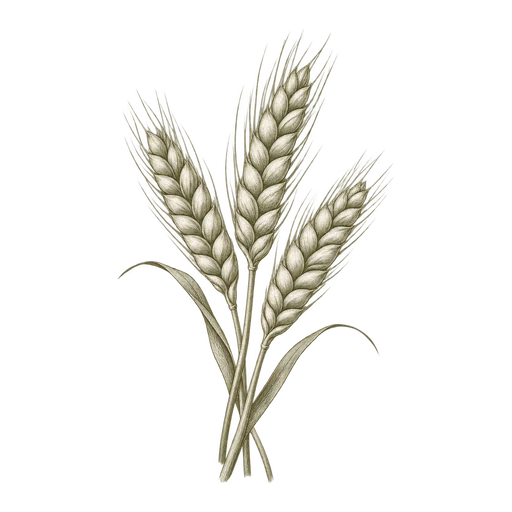
Wheat starch is an isolated wheat carbohydrate used for thickening and body in food and for narrower specialty-feed functions such as binding. Choose native, pregelatinized or modified starch according to the process and performance required.

Explore ingredient
Feed Ingredients

White Millet

White millet commonly refers to white-seeded proso millet, sourced for food products, birdseed, and livestock feed. Identify the species, hull status, and processing form to match the grain to its intended use.

Explore ingredient
Starches/Fibers/Proteins

Yeast

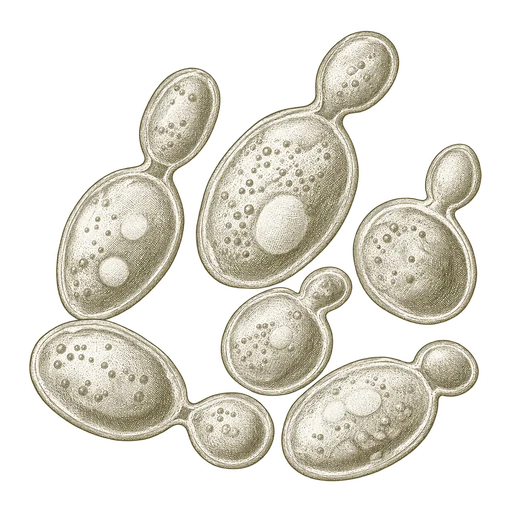
Feed yeast covers distinct whole-cell, live, culture, extract, and cell-wall products. Compare source, processing, viability, and nutrient analysis to choose the form that fits an animal-feed formulation and bulk receiving plan.

Explore ingredient

Quality analysis varies by ingredient

Ingredient quality analysis is not one standard test panel. This collection includes soy products, peas, sunflower products, food powders, starch, millet and yeast, each with different composition, processing and end-use considerations. A result is useful only when it addresses the ingredient and the buyer’s intended application.

For formulation, specify relevant measures such as moisture, protein, fat, fiber, ash or starch, and state whether results are reported as received or on a dry-matter basis. Treat these as possible analytes, not a universal panel for every ingredient.

Choose tests for the product and use

Some quality questions go beyond nutrient composition. Soybean meal used in feed may be assessed for processing indicators such as urease activity or protein dispersibility index; the method and agreed acceptance criteria matter, rather than assuming one cutoff applies to every use. For whole sunflower seed, relevant grade attributes can include moisture, foreign material, odor and oil content. Those considerations do not automatically define requirements for sunflower hearts.

Food, feed and pet-food uses can call for different identity, functionality and safety documentation. Select contaminant checks according to the ingredient, source, intended use and identified risks; no single set of tests or limits applies across this collection.

Make the sample and result actionable

A certificate of analysis (COA) is easier to assess when it identifies the lot, sampling date and method, analytes, units, reporting basis, analytical method and laboratory, and the specification used for comparison. A COA alone does not establish that a sample represented the lot.

Agree on sampling, acceptance limits, retesting and dispute procedures before purchase. Representative sampling matters because a poor sample can misstate composition, while localized hazards may be missed. Set testing frequency and scope to the material and risk instead of relying on a result from another lot or ingredient.

Common questions.

Should I use the same test panel for every ingredient in this collection?+

No. Choose tests for the ingredient’s identity, processing and intended use. A panel suited to soybean meal or whole sunflower seed does not automatically suit other listed materials.

What information should a bulk ingredient COA include?+

Look for lot identification, sampling date and method, analytes, units, reporting basis, analytical method and laboratory, and the specification used to interpret results.

Does a COA prove that the bulk lot was sampled representatively?+

No. It reports results for a sample; sampling method and lot identification help you assess how well that sample represents the material.

Which soybean meal processing tests might matter for feed use?+

Urease activity and protein dispersibility index are examples of processing-quality indicators. Confirm the assay method and application-specific criteria rather than treating one value as a universal cutoff.
Ingredient quality analysis · BUYER INSIGHTS

Go deeper before you source.

Focused guides to the specification, application, and delivery questions behind this ingredient.

FIELD GUIDE01Ingredient quality analysis
Buyer’s guide

Planning bulk yeast feed storage and receiving

Bulk feed yeast receiving depends on the offered form. Dry inactive yeast, live dry products, liquids and extracts require product-specific packaging, unloading and storage planning—especially when a live product carries a viability guarantee.

Read this Insight
FIELD GUIDE02Ingredient quality analysis
Buyer’s guide

Live yeast or inactive yeast: feed formulation questions

Live and inactive yeast answer different feed-formulation needs. Compare viability for products intended to supply live cells, and product identity and nutrient composition for inactive yeast ingredients.

Read this Insight
FIELD GUIDE03Ingredient quality analysis
Buyer’s guide

How to compare feed yeast specifications and product identity

Feed yeast specifications are meaningful only when product identity is clear. Compare source, organism, processing, activity status, and analytical basis before using protein, viable-cell, or functional-component measures to evaluate bulk offers.

Read this Insight
FIELD GUIDE04Ingredient quality analysis
Buyer’s guide

White millet bulk receiving and storage planning

Plan bulk white millet receiving around the grain form, order quantity, destination, unloading capability, and storage conditions. Align lot requirements for moisture and cleanliness before delivery.

Read this Insight
FIELD GUIDE05Ingredient quality analysis
Buyer’s guide

Choosing white millet forms for food processing and baking

Compare whole, puffed, cracked and flour forms of white millet by how they enter food production, and treat dehulling as a separate specification for baking and processing.

Read this Insight
FIELD GUIDE06Ingredient quality analysis
Buyer’s guide

White millet specifications: identity, hull status, and quality

White millet specifications should identify the species and clarify whether the grain is whole and hulled or dehulled. Color, cleanliness and analysis matter differently across food, birdseed and feed uses, so compare lots against requirements written for the intended application.

Read this Insight