Grains
Alfalfa
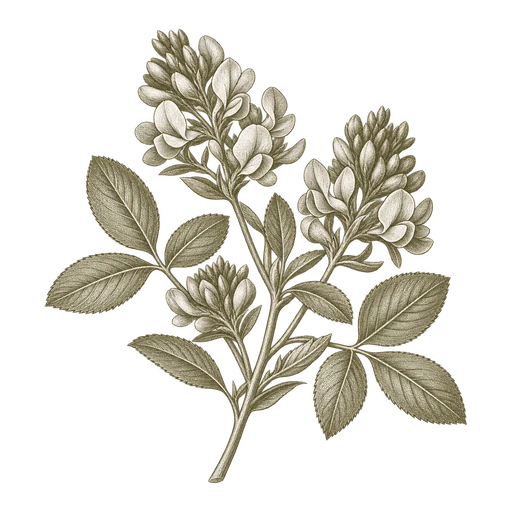
Alfalfa is a forage legume sourced as hay, silage, meal or pellets for livestock feed. Match the form to receiving and ration needs, then compare a lot-specific analysis on a consistent basis.
Explore ingredientSoybean hulls can contribute digestible fiber energy in cattle rations, but they are not a one-for-one substitute for grain or effective forage. Understand the difference before considering a ration change.
Soybean hulls can contribute digestible fiber energy in beef and dairy rations. Depending on the complete diet, a nutritionist may use them to replace part of a grain ingredient or forage. Those are different formulation decisions: hulls supply energy through digestible fiber, but do not perform every function of grain or long forage.
The practical question is not simply whether soybean hulls can replace another ingredient. It is which nutrients and physical functions the ration would lose or gain after the change. Compare the ingredients in the context of the whole ration, then check the proposed mix against current analysis for the specific soybean hulls.
Cereal grains contribute energy largely through starch. Soybean hulls contribute energy from highly digestible fiber, so replacing some grain with hulls changes the type of carbohydrate in the diet rather than simply exchanging equivalent ingredients by weight.
That difference can matter when a ration’s starch contribution, forage supply, and other ingredients are being balanced together. Hulls may have a role as a fiber-based energy ingredient, but the appropriate amount depends on the cattle, production goals, and the rest of the ration. There is no universal grain-to-hulls substitution rule that applies across herds.
A nutritionist should assess the intended change alongside the energy and fiber contributions of all ingredients. A proposed ration should use current product analysis, because the analysis of the delivered lot—not a generic ingredient description—is what supports a specific formulation.
Soybean hulls contain fiber, but fiber content alone does not make an ingredient equivalent to hay or other long forage. Physically effective forage supplies particle structure that supports chewing and saliva production and helps maintain rumen function. Soybean hulls are generally much finer and less structurally effective than long forage.
Consequently, hulls may replace part of a forage ingredient in some balanced rations, but they should not be treated as a direct substitute for the ration’s effective roughage. If forage is reduced, the nutritionist needs to account for what happens to particle size and physically effective fiber—not only the diet’s calculated fiber total.
This distinction is important in both beef and dairy feeding. The suitable ration depends on the animal group and feeding program, so the forage change should be evaluated by the herd’s nutritionist rather than inferred from the hulls’ fiber content alone.
Before approving a substitution, review the full ration’s forage sources, particle structure, energy balance, and other relevant nutrient contributions. Consider the specific cattle group and production stage, as well as how the ration is mixed and fed. Changing one ingredient can alter the role of the others, so a partial replacement still needs a whole-diet review.
Request current analysis for the soybean hulls under consideration and use it in the formulation. For a bulk purchase, distinguish the ingredient’s physical form from its nutritional analysis: form can affect mixing and handling, while analysis informs the nutritionist’s nutrient calculations. Do not assume that an earlier lot or a typical ingredient profile represents the next shipment.
For sourcing options, see the [Soy Hulls](/ingredients/soy-hulls) page. A useful inquiry specifies the intended form, quantity, destination, and any analysis requirements relevant to the ration.
Think of soybean hulls as a potential digestible-fiber energy ingredient, not a universal replacement for either grain or forage. Grain substitution changes the carbohydrate profile; forage substitution can also reduce the ration’s physical roughage. The second decision therefore requires particular attention to effective fiber.
Have the nutritionist compare the proposed complete ration with the current one using current soybean hulls analysis, and make herd-specific decisions about any change. That approach preserves the distinction between what soybean hulls contribute nutritionally and what physically effective forage contributes to the ration.
They can be considered as a partial source of energy, but they supply digestible fiber rather than the starch characteristic of grain. A nutritionist should determine whether the change fits the complete ration and cattle group.
Not as an equivalent source of effective roughage. Hulls contain fiber, but their finer physical structure does not provide the same particle effect as long forage. Any forage reduction should account for effective fiber in the complete diet.
Use current analysis for the product being considered so the nutritionist can evaluate its contribution in the proposed ration. A generic profile or analysis from a previous lot may not represent the material being purchased.
Focused guides to the specification, application, and delivery questions behind this ingredient.
Plan bulk soybean hulls delivery around the difference between bulky loose hulls and denser pellets, with receiving capacity, unloading, dust and moisture protection in mind.
Read this InsightCompare soybean hulls analyses for cattle feed by aligning moisture, crude protein, fiber and energy results on a clear, consistent basis. Learn why as-fed and dry-matter values differ and how to use lot analysis alongside ration requirements.
Read this InsightAlfalfa is a forage legume sourced as hay, silage, meal or pellets for livestock feed. Match the form to receiving and ration needs, then compare a lot-specific analysis on a consistent basis.
Explore ingredientAlfalfa meal is ground forage used in animal feed, with sun-cured and dehydrated processing routes and meal or pellet forms. Compare the offered process, physical form and analysis against the needs of the species and feed formulation.
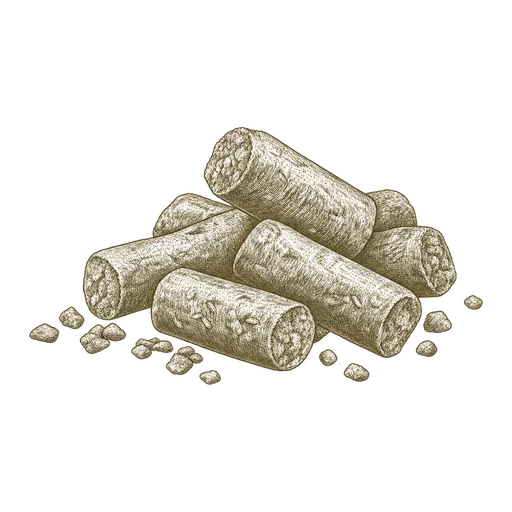
Explore ingredientAlfalfa pellets are ground, compressed forage used in livestock feeding and compound feeds. Compare the drying process, alfalfa material, forage analysis and pellet characteristics to choose a form that fits your ration and receiving setup.
Explore ingredientAlmond hulls are the dried outer layer of the almond fruit, sourced for ruminant feed as hull-only material or as a hull-and-shell mixture. Compare the lot’s composition, physical form, and handling needs before arranging a bulk shipment.
Explore ingredient