Independent sourcing. Better connections.Commercial buyers · Bulk ingredients
topic

Roughage

Roughage brings together peanut hulls, soy hulls and soy hull pellets—three processing co-products used as fiber sources in animal diets. They are not nutritionally interchangeable: soy hulls are used as a digestible-fiber energy supplement, while peanut hulls are bulky and can have low energy value. Pellets are a denser form of soy hulls. Buyers should compare current lot analyses, feeding context and physical handling needs rather than relying on the category name alone.

3 ingredients6 published Insights
EXPLORE THE COLLECTION

Roughage ingredients

Feed Ingredients

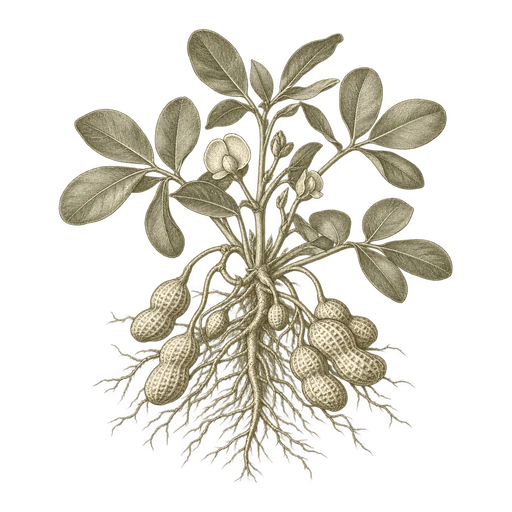
Peanut Hulls

Peanut hulls are bulky, fiber-rich peanut shells used in some cattle roughage and concentrate formulations. Compare whole versus processed form and review the offered lot’s analysis, intended use and receiving requirements before arranging a bulk order.

Explore ingredient
Feed Ingredients

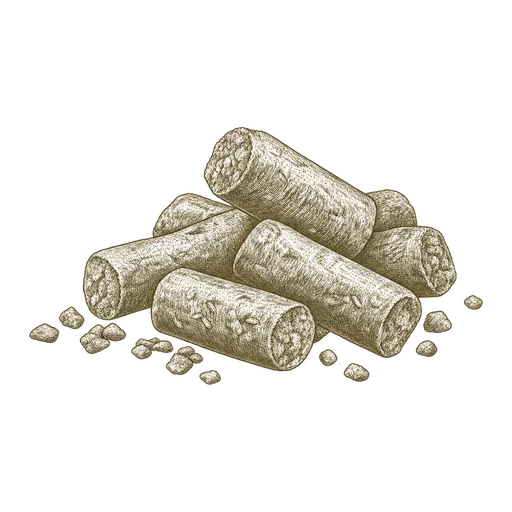
Soy Hull Pellets

Soy hull pellets are a pelleted, fiber-rich soybean co-product used in ruminant feed programs. Compare the offered lot analysis, any pellet additions, and physical handling characteristics to match the product to the ration and receiving setup.

Explore ingredient
Feed Ingredients

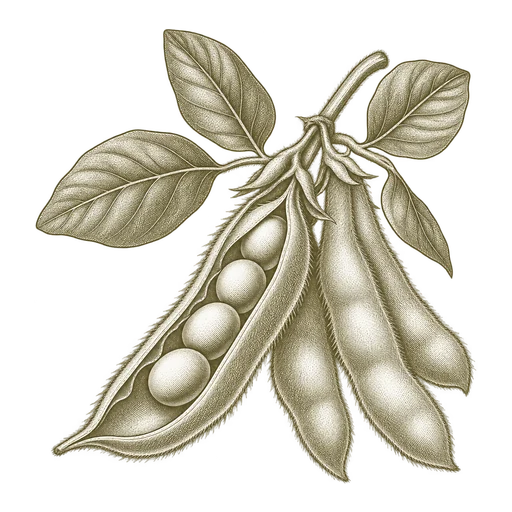
Soy Hulls

Soybean hulls are a digestible fiber energy feed used mainly in cattle rations. Source them loose or pelleted according to receiving needs, and compare current lot analysis and reporting basis before purchase.

Explore ingredient

Three forms, different feed roles

This collection covers peanut hulls, soy hulls and soy hull pellets: processing co-products used as fiber sources in animal diets. The evidence here is chiefly about beef cattle, and the three products are not nutritionally interchangeable.

Peanut hulls are a bulky, high-fiber material with low energy value in some published typical analyses. Soy hulls are soybean skins used as a digestible-fiber energy supplement in cattle rations. Soy hull pellets are those hulls in a denser physical form, not a different raw ingredient.

Match the product to the ration

Soy hulls are not the same as long-stem forage. Feeding guidance for cattle notes that high inclusion alongside limited long-stem forage can raise bloat risk, so ration context matters. Peanut hulls may serve as a roughage source when conventional roughage is limited, but their nutritional contribution should be assessed from the offered lot rather than inferred from the name.

Do not compare products on delivered tonnage alone. Ask for analysis on a consistent basis, including moisture or dry matter, protein, relevant fiber measures and energy estimate. Published peanut-hull energy values differ substantially across references, making current lot analysis especially important.

Check form, handling and testing

Loose soy hulls are light and relatively low-density; pelleting makes them denser and can simplify transport and handling. Peanut hulls are also bulky, so confirm the offered form and whether your receiving equipment can manage it. For pellets, clarify dimensions, fines and whether any binders or other additions are present.

For peanut hulls, ask about available aflatoxin testing and have results interpreted for the intended ration. Confirm the lot’s identity, analysis, physical form, packaging or bulk delivery details, and any handling requirements before comparing offers.

Common questions.

Are soy hulls and soy hull pellets different ingredients?+

They share the same basic ingredient identity. Pellets are a processed physical form of soy hulls, made denser for easier transport and handling. Confirm the offered form and any additions.

Can soy hulls replace long-stem forage in cattle diets?+

They should not be treated as an automatic replacement. Soy hulls are used as a digestible-fiber energy supplement, and high inclusion with limited long-stem forage can raise bloat risk. Assess the full ration with a qualified nutritionist.

What analysis should I request for a bulk lot?+

Request a recent analysis with moisture or dry matter, crude protein, relevant fiber measures and an energy estimate. Compare products on a consistent dry-matter and nutrient basis.

What should buyers check for peanut hulls?+

Check the lot analysis and physical form, and ask whether aflatoxin testing is available. A qualified nutritionist or veterinarian can interpret test results for the intended species and ration.

Roughage · BUYER INSIGHTS

Go deeper before you source.

Focused guides to the specification, application, and delivery questions behind this ingredient.

FIELD GUIDE01Roughage
Buyer’s guide

Planning bulk soybean hulls receiving and storage

Plan bulk soybean hulls delivery around the difference between bulky loose hulls and denser pellets, with receiving capacity, unloading, dust and moisture protection in mind.

Read this Insight
FIELD GUIDE02Roughage
Buyer’s guide

When can soybean hulls replace forage or grain in cattle rations?

Soybean hulls can contribute digestible fiber energy in cattle rations, but they are not a one-for-one substitute for grain or effective forage. Understand the difference before considering a ration change.

Read this Insight
FIELD GUIDE03Roughage
Buyer’s guide

How to compare soybean hulls analysis across bulk lots

Compare soybean hulls analyses for cattle feed by aligning moisture, crude protein, fiber and energy results on a clear, consistent basis. Learn why as-fed and dry-matter values differ and how to use lot analysis alongside ration requirements.

Read this Insight
FIELD GUIDE04Roughage
Buyer’s guide

Planning bulk receiving and storage for soy hull pellets

Plan bulk soy hull pellets receiving around order quantity, facility capacity, unloading equipment and dry, clean storage. Pellet density and durability can affect volume and handling, and vary by product and conditions.

Read this Insight
FIELD GUIDE05Roughage
Buyer’s guide

Soy hull pellets in cattle forage-based rations

Soy hull pellets can contribute digestible fiber and energy to forage-based cattle rations, but their pelleted form does not replace the physical role of long-stem forage. Their use depends on the complete ration, roughage, feeding management, and professional formulation.

Read this Insight
FIELD GUIDE06Roughage
Buyer’s guide

How to compare soy hull pellet analyses

Compare soy hull pellet analyses on the same basis, using moisture or dry matter to interpret protein, fiber and energy. Additive status matters because molasses or binder can affect the composition of the finished pellet.

Read this Insight