Grains
Alfalfa
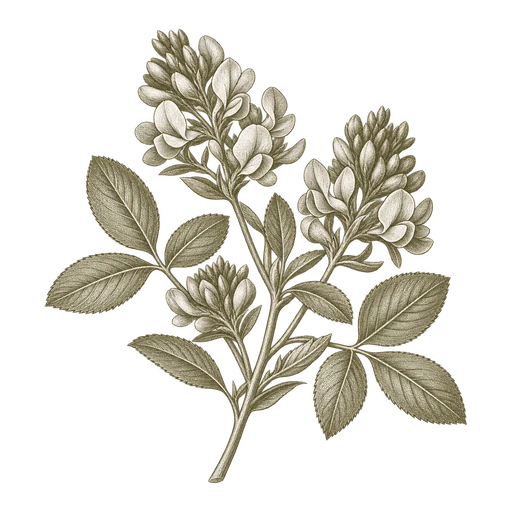
Alfalfa is a forage legume sourced as hay, silage, meal or pellets for livestock feed. Match the form to receiving and ration needs, then compare a lot-specific analysis on a consistent basis.
Explore ingredientCompare soybean hulls analyses for cattle feed by aligning moisture, crude protein, fiber and energy results on a clear, consistent basis. Learn why as-fed and dry-matter values differ and how to use lot analysis alongside ration requirements.
A soybean hulls analysis is only useful for comparing bulk lots when you know whether results are reported as-fed or on a dry-matter basis. As-fed values describe the ingredient as sampled, including its moisture. Dry-matter values remove the effect of moisture so the nutrient concentrations can be compared on the same basis.
This distinction matters because two reports can show different nutrient percentages even when the underlying dry material is similar. If one report is as-fed and another is dry matter, compare them only after converting to a common basis. Moisture is the key figure for that conversion: dry matter is the portion remaining after moisture is excluded. Ask for the basis to be stated beside each result, not left implicit.
Moisture describes how much of the sampled product is water; dry matter describes the remainder. Keeping both visible helps cattle-feed buyers distinguish a concentration difference caused by water from one caused by the nutrient composition of the dry material. Moisture also matters when interpreting the amount of dry nutrients delivered in a given as-fed quantity.
Crude protein is another useful comparison field, but it varies by load. Compare it on the same basis across reports and treat it as a lot result rather than a fixed characteristic of every soybean hulls shipment. For ration work, the analysis should be considered alongside the other ingredients and the target animal’s requirements; crude protein alone does not describe the ingredient’s full feeding value.
Fiber results help characterize soybean hulls as a cattle-feed ingredient. If the analysis includes neutral detergent fiber (NDF) or acid detergent fiber (ADF), make sure the report identifies the measure, units and reporting basis. These are different analytical fractions, so one should not be substituted for the other when comparing lots or applying a ration specification.
An energy value can help a nutritionist evaluate soybean hulls within a ration, but the reported measure and its basis must be clear. Energy estimates depend on the method or model used and on the ration context. Compare the same energy measure calculated on a consistent basis; a value from one method is not automatically interchangeable with a differently defined estimate. The ration’s other ingredients and intended use inform how that result should be interpreted.
Before comparing offers, line up the reports field by field: moisture, dry matter, crude protein, the fiber measures relevant to the ration, and any energy value used in the formulation. Record units and whether each result is as-fed or dry matter. If an analysis omits the basis or uses a different energy measure, resolve that difference before treating the numbers as directly comparable.
Also distinguish a lot analysis from an agreed quality limit. An analysis describes reported results for the lot; a quality limit states what the transaction requires. Buyers can use the analysis to evaluate a lot against ration needs, then specify which measures and limits matter for the purchase. The actual lot analysis and any agreed limits should be reviewed for the offer under consideration.
For a clear comparison, give the broker the soybean hulls form and quantity you need, the destination, and the analysis fields your nutritionist uses. State the required reporting basis, identify the fiber or energy measures that matter, and describe any quality limits you intend to apply. This lets the offered lot be assessed against a defined standard rather than against an unspecified expectation.
Once the analysis requirements are defined, visit the Soy Hulls page to source the ingredient. A lot-specific analysis and any agreed quality limits should be confirmed for the offer being considered.
Dry-matter comparisons remove moisture from the comparison, making nutrient concentrations easier to compare across lots or reports. Check that every result uses the same basis before drawing conclusions.
Moisture or dry matter and crude protein are useful starting points. Fiber measures such as NDF or ADF, and an energy value used in the ration, can add context. Compare the same measure, units and reporting basis across analyses.
No. Crude protein varies by load, and energy values depend on the reported measure, estimation method and ration context. Use the offered lot analysis and evaluate it against the intended ration and any agreed quality limits.
Focused guides to the specification, application, and delivery questions behind this ingredient.
Plan bulk soybean hulls delivery around the difference between bulky loose hulls and denser pellets, with receiving capacity, unloading, dust and moisture protection in mind.
Read this InsightSoybean hulls can contribute digestible fiber energy in cattle rations, but they are not a one-for-one substitute for grain or effective forage. Understand the difference before considering a ration change.
Read this InsightAlfalfa is a forage legume sourced as hay, silage, meal or pellets for livestock feed. Match the form to receiving and ration needs, then compare a lot-specific analysis on a consistent basis.
Explore ingredientAlfalfa meal is ground forage used in animal feed, with sun-cured and dehydrated processing routes and meal or pellet forms. Compare the offered process, physical form and analysis against the needs of the species and feed formulation.
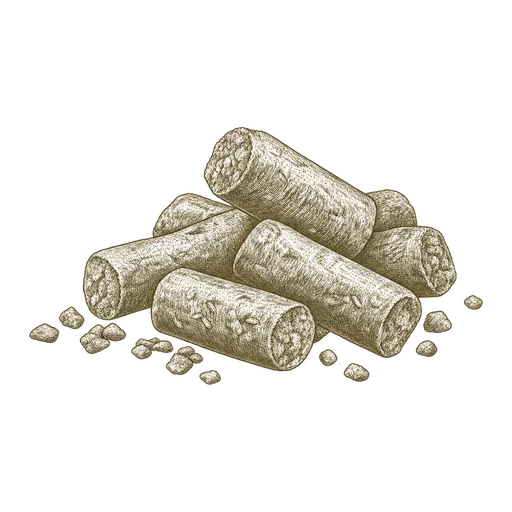
Explore ingredientAlfalfa pellets are ground, compressed forage used in livestock feeding and compound feeds. Compare the drying process, alfalfa material, forage analysis and pellet characteristics to choose a form that fits your ration and receiving setup.
Explore ingredientAlmond hulls are the dried outer layer of the almond fruit, sourced for ruminant feed as hull-only material or as a hull-and-shell mixture. Compare the lot’s composition, physical form, and handling needs before arranging a bulk shipment.
Explore ingredient