Grains
Alfalfa
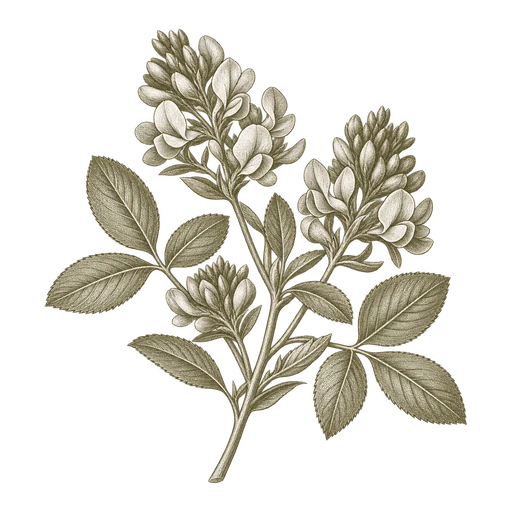
Alfalfa is a forage legume sourced as hay, silage, meal or pellets for livestock feed. Match the form to receiving and ration needs, then compare a lot-specific analysis on a consistent basis.
Explore ingredientPlan bulk soybean hulls delivery around the difference between bulky loose hulls and denser pellets, with receiving capacity, unloading, dust and moisture protection in mind.
Loose soybean hulls are fluffy and bulky; pelleted hulls are denser. That difference can change how much receiving and storage space an order needs, even when comparing the same quantity by weight. Before requesting a quote, decide which form your operation can receive and handle, then assess the space available for the expected delivery.
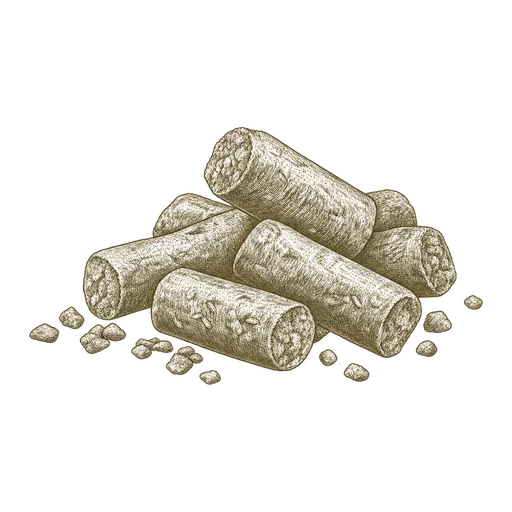
Pellets generally occupy less volume for a given weight than loose hulls, but that does not make them a fit for every facility. Receiving equipment, storage openings and the next step in your feed process all matter. The product form offered for a specific order should be stated clearly so your receiving plan matches what arrives.
Start with the quantity you intend to purchase and identify the storage area that will hold it. For loose hulls, their bulky, low-density character makes available volume a central planning constraint. Pellets use space more compactly, but your capacity still depends on the actual storage setup and the quantity being received.
Avoid planning from weight alone. Ask for the relevant information about the offered form and quantity, then compare it with your usable bin, bay or other designated storage capacity. Include any space needed to keep the ingredient separate from other materials. If capacity is tight, that constraint should be part of the quote discussion rather than discovered at delivery.
Your unloading arrangement needs to work with both the delivered form and your receiving equipment. Loose material and pellets do not handle identically, so confirm that the proposed product can be transferred into the intended storage area and moved onward to the feed-mixing process without an equipment mismatch.
Before ordering, note the access route, receiving opening, unloading connection or other facility interface that matters at your site. Be specific about restrictions such as limited access, a particular receiving setup or time windows. These details help frame a realistic delivery discussion; they do not imply that a specific transport method or unloading service is available.
Loose, lightweight hulls can create dust during transfer and handling. Consider where dust could occur in your receiving area and how your facility manages it. The practical plan depends on your equipment and site procedures, so identify any dust-control or housekeeping requirements that affect receiving.
Keep soybean hulls protected from moisture during receiving and storage. Check that the intended storage location is dry and that the transfer process will not expose the ingredient to rain, leaks or other sources of unwanted moisture. Avoid placing product where it could contact wet surfaces or be mixed with unrelated material. The appropriate storage arrangement depends on the facility; no single storage limit or shelf life can be assumed for every offered lot.
A useful quote request explains what you need and what your site can receive. Specify loose or pelleted soybean hulls, the requested quantity and unit, the destination and the timing you are targeting. Then describe the receiving method, storage capacity and any access or unloading constraints that could affect delivery.
If you are still deciding between loose hulls and pellets, compare the form against your available storage volume, handling equipment and feed process—not density alone. The [Soy Hulls](/ingredients/soy-hulls) page is the next step for reviewing the ingredient and starting a sourcing inquiry. Exact product details and commercial terms depend on the specific offer.
Pellets are denser, so they generally take up less volume for a given weight than fluffy, loose hulls. Compare the offered form and quantity with your facility’s usable storage capacity before arranging delivery.
Make sure the receiving area and storage location suit the product form, and identify any unloading, access, dust-management or moisture-protection requirements. Share these constraints when requesting a quote.
State whether you need loose or pelleted hulls, the quantity and unit, destination and target timing. Include your receiving method and any facility limits that could affect unloading or storage.
Focused guides to the specification, application, and delivery questions behind this ingredient.
Soybean hulls can contribute digestible fiber energy in cattle rations, but they are not a one-for-one substitute for grain or effective forage. Understand the difference before considering a ration change.
Read this InsightCompare soybean hulls analyses for cattle feed by aligning moisture, crude protein, fiber and energy results on a clear, consistent basis. Learn why as-fed and dry-matter values differ and how to use lot analysis alongside ration requirements.
Read this InsightAlfalfa is a forage legume sourced as hay, silage, meal or pellets for livestock feed. Match the form to receiving and ration needs, then compare a lot-specific analysis on a consistent basis.
Explore ingredientAlfalfa meal is ground forage used in animal feed, with sun-cured and dehydrated processing routes and meal or pellet forms. Compare the offered process, physical form and analysis against the needs of the species and feed formulation.
Explore ingredientAlfalfa pellets are ground, compressed forage used in livestock feeding and compound feeds. Compare the drying process, alfalfa material, forage analysis and pellet characteristics to choose a form that fits your ration and receiving setup.
Explore ingredientAlmond hulls are the dried outer layer of the almond fruit, sourced for ruminant feed as hull-only material or as a hull-and-shell mixture. Compare the lot’s composition, physical form, and handling needs before arranging a bulk shipment.
Explore ingredient