Independent sourcing. Better connections.Commercial buyers · Bulk ingredients
topic

Bulk logistics

Bulk logistics covers more than moving a large quantity: the delivery method, receiving equipment and storage plan need to fit the specific ingredient. This collection includes dry seeds and grains such as peanuts, quinoa and rapeseed, meals and hulls such as poultry meal and soy hulls, and liquids such as soybean oil. These forms have different handling needs, so buyers should plan from the offered product and their own receiving setup rather than the collection label.

20 ingredients6 published Insights
EXPLORE THE COLLECTION

Bulk logistics ingredients

Feed Ingredients

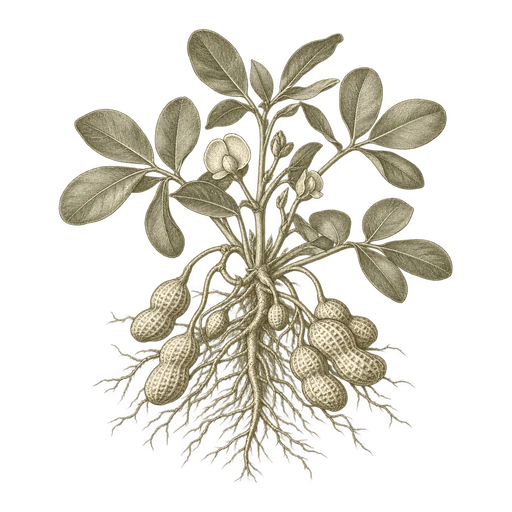
Peanuts

Peanuts are sourced as whole kernels and processed products such as peanut meal, hulls and skins. Identify the exact form and intended use first, then compare the relevant analysis and aflatoxin documentation before arranging a bulk shipment.

Explore ingredient
Tree Nuts

Pine Nuts

Pine nuts are edible seeds sold shell-on, as shelled kernels or as extracted oil. Species, form and freshness criteria help buyers match the ingredient to food applications such as salads, desserts, sauces and further processing.

Explore ingredient
Tree Nuts

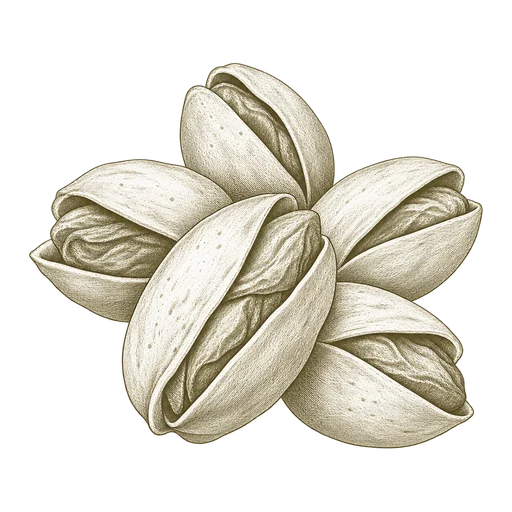
Pistachios

Pistachios are sourced as in-shell nuts, shelled kernels and processed forms for snacks, bakery, frozen desserts, sauces and confections. Define the product form, processing and quality requirements together, since shelling, roasting, seasoning and particle size change how the ingredient fits a food application.

Explore ingredient
Dried Fruits

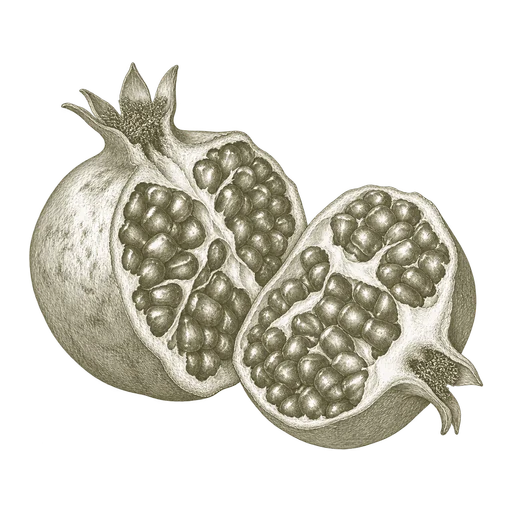
Pomegranate

Pomegranate feed by-products can be fresh, dried or ensiled, with composition shaped by the fruit parts and processing. Identify the exact material and compare its moisture basis and analysis before evaluating it for a ruminant ration.

Explore ingredient
Feed Ingredients

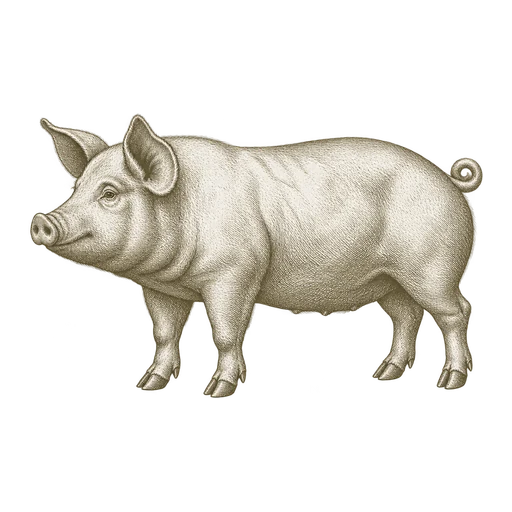
Pork Meal

Pork meal is rendered, ground pork-derived material used in animal-feed and pet-food manufacturing. Confirm whether bone is included, compare the offered lot analysis on a consistent basis, and match the form and handling details to your facility.

Explore ingredient
Animal Products

Poultry Fat

Poultry fat is a rendered fat used as an energy ingredient in poultry feed. Compare source identity, quality analysis and handling instructions so the offered lot fits your formulation and receiving setup.

Explore ingredient
Feed Ingredients

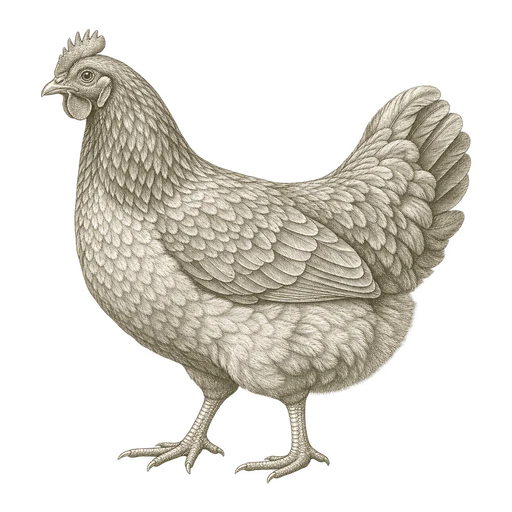
Poultry Meal

Poultry meal is a rendered, ground ingredient used in formulated animal diets. Its declared identity and lot analysis matter: compare protein, fat, minerals, moisture and, where relevant, amino-acid information before choosing an offer.

Explore ingredient
Dried Vegetables

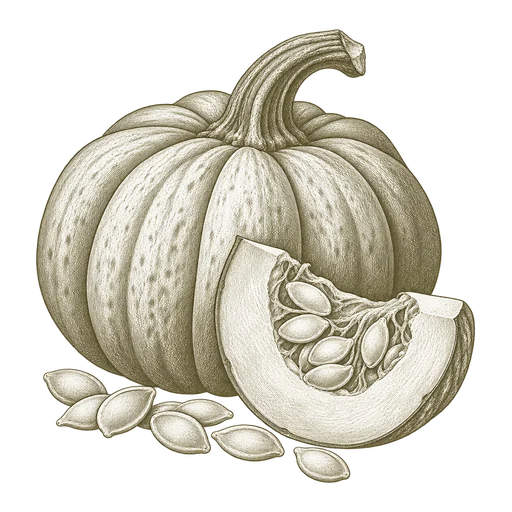
Pumpkin

Pumpkin is sourced as distinct ingredients—including pulp, peel, seeds and processing residues—in fresh, dried or other processed forms. Match the plant part and processing method to the intended food or feed use, then compare moisture, particle form and relevant analysis.

Explore ingredient
Other Seeds & Grains

Pumpkin Seed

Pumpkin seed can mean whole food seeds, hulled kernels, ground meal or oil-extraction cake. Choose the form for its intended food or feed use, and compare the specific product’s processing and analysis before sourcing in bulk.

Explore ingredient
Grains

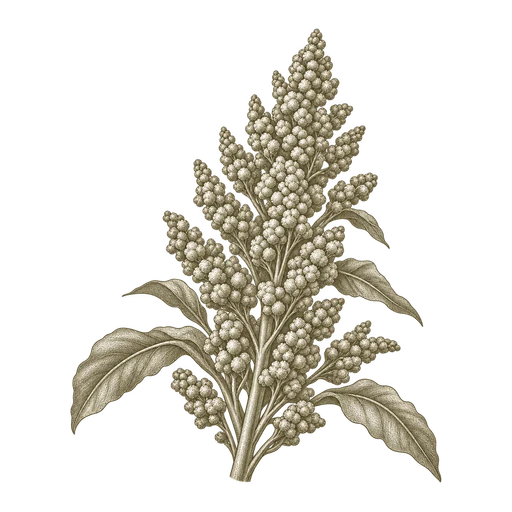
Quinoa

Quinoa is a grain-like pseudocereal seed sold in distinct forms such as whole grain and flour. Compare form, processing and relevant quality measures to match the product to a food or feed application and plan receiving and storage.

Explore ingredient
Seeds, Grains & Specialty

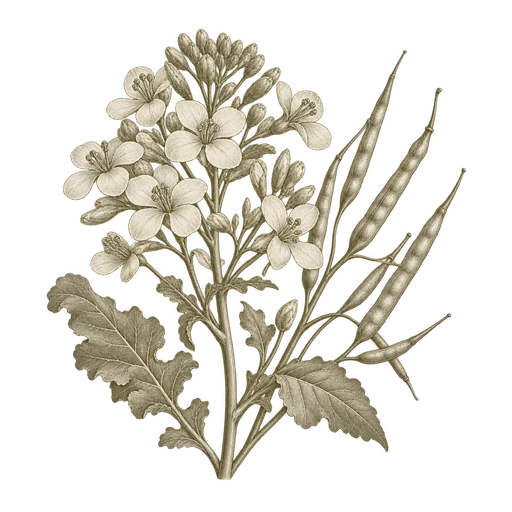
Rapeseed

Rapeseed can mean whole seed, oil or oil-extraction meal, and the crop name alone does not establish grade or end use. Compare product identity, intended application and relevant analysis before arranging a bulk purchase.

Explore ingredient
Feed Ingredients

Red Millet

Red millet is a color-described grain used in feed and birdseed markets, but the name does not establish its species. Compare botanical identity, whole or processed form, hull status and lot analysis to match the grain to its intended use and receiving setup.

Explore ingredient
Grains

Rice Bran

Rice bran is a rice-milling co-product used in animal feed. Compare full-fat, defatted and stabilized forms, identify any blended milling fractions, and review current analysis because oil content, fibre and storage behavior affect formulation and handling.

Explore ingredient
Feed Ingredients

Soy Hulls

Soybean hulls are a digestible fiber energy feed used mainly in cattle rations. Source them loose or pelleted according to receiving needs, and compare current lot analysis and reporting basis before purchase.

Explore ingredient
Grains

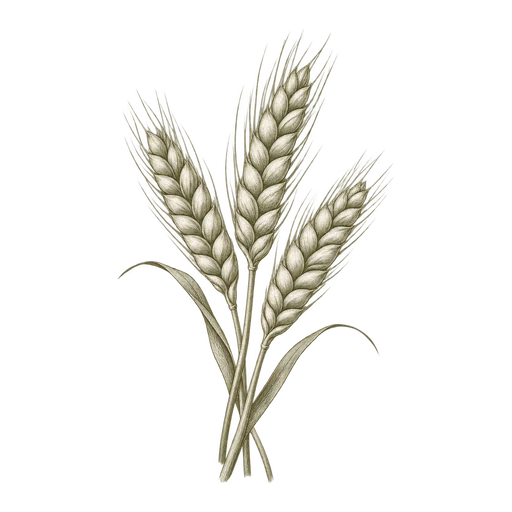
Spelt

Spelt is a hulled wheat sourced as grain, dehulled kernels, flour, or separated hulls. Choose the form for the intended food or feed use, and compare lot-specific functionality or feed analysis rather than assuming all spelt is equivalent.

Explore ingredient
Seeds

Sunflower Seeds

Sunflower seeds are sourced as oil-type or confectionery seed, in-shell seed or kernels, with meal available as a distinct oil-processing co-product. Match the form and quality measures to the intended food, oil, feed, or birdseed use.

Explore ingredient
Grains

Triticale

Triticale is a wheat–rye cereal grain used mainly in livestock feed, with separate food and forage applications. Compare whole or processed forms and evaluate each lot’s condition and analysis against its intended use.

Explore ingredient
Animal Products

Venison Meal

Venison meal is a ground deer-derived ingredient used in pet-food formulations. Compare source tissues, bone content, processing and lot-specific analysis to determine whether an offered product fits your formula and receiving requirements.

Explore ingredient

Different forms need different delivery plans

This collection brings together dry solids, including quinoa, rapeseed and soybean meal, as well as soybean oil and poultry fat. A shared bulk designation does not mean the products can use the same vehicle, transfer equipment or storage system. Confirm the exact product form and intended use, then match the delivery route to the receiving facility.

For dry ingredients, check that the unload method suits the material and connects to the correct bin or processing line. For oils and fats, plan for liquid transfer and compatible tank storage. Do not infer flow characteristics or equipment compatibility from a product name alone.

Plan receiving and storage around the lot

Before scheduling delivery, align the purchase specification with the receiving site’s capacity, access and unloading arrangements. Agree on how the lot will be identified, sampled and assessed, including what happens if it does not meet the agreed terms. Inspection on arrival should include checks for visible foreign material, moisture damage, mould or pests where relevant to the product.

Storage conditions and turnover matter, especially when ordering quantities that will remain on site. Base order size on planned use, available protected storage and the ingredient’s form; one storage or acceptance limit should not be assumed to fit every member of this collection.

Keep handling requirements explicit

Peanuts, pumpkin seed, rice bran, soy hulls and poultry meal illustrate how varied the dry products in this collection are. Specify the exact ingredient and offered form in the delivery plan, and confirm any segregation, cleaning or prior-cargo requirements with the relevant parties. A broad category label is not a substitute for lot-specific requirements.

Common questions.

Can dry ingredients and oils use the same bulk equipment?+

No single arrangement should be assumed. Dry solids and liquids need different transfer and storage setups; confirm equipment compatibility for the specific product and receiving site.

What should a buyer arrange before a bulk delivery?+

Confirm the exact product form, specification, quantity, delivery access, unloading method, receiving capacity, and agreed sampling and acceptance process.

How should order quantity be determined?+

Plan around expected use, turnover, available storage and product-specific storage risks rather than choosing the largest available quantity by default.

What should be checked when a load arrives?+

Check product identity and accompanying documents against the purchase terms, inspect condition, and follow the sampling and testing procedure agreed for that lot.

Bulk logistics · BUYER INSIGHTS

Go deeper before you source.

Focused guides to the specification, application, and delivery questions behind this ingredient.

FIELD GUIDE01Bulk logistics
Buyer’s guide

Planning bulk receiving and storage for venison meal

Plan bulk venison meal receiving around your actual quantity, destination, packaging needs and unloading setup. Verify product-specific density, flow and storage instructions before committing facility capacity.

Read this Insight
FIELD GUIDE02Bulk logistics
Buyer’s guide

What to evaluate when using venison meal in dog food

A practical evaluation of venison meal in dog-food formulation, covering lot composition, analytical basis, bone content and the ingredient’s role in the complete recipe.

Read this Insight
FIELD GUIDE03Bulk logistics
Buyer’s guide

How to read a venison meal specification for bone content

Interpret venison meal bone content by combining a clear ingredient and tissue description with ash, calcium, phosphorus, analytical basis, and lot-specific results. No single mineral value establishes bone percentage.

Read this Insight
FIELD GUIDE04Bulk logistics
Buyer’s guide

Planning bulk triticale grain receiving and storage

Plan a triticale grain order around a clear quantity, destination, receiving method and storage setup. Moisture and grain condition inform storage decisions, while shipment details depend on the offered lot and your facility.

Read this Insight
FIELD GUIDE05Bulk logistics
Buyer’s guide

Triticale in swine and poultry diets: formulation questions

Triticale can contribute to swine and poultry diets, but its formulation value depends on the offered grain analysis, NSP characteristics, physical form, animal species and the rest of the ration. Understand those decisions before defining the feed specification and sourcing requirement.

Read this Insight
FIELD GUIDE06Bulk logistics
Buyer’s guide

Triticale grain quality: comparing moisture, test weight and condition

Moisture, test weight, foreign material and condition describe different aspects of a triticale lot. Learn how to compare the measures, interpret their limits and request lot-specific records and sampling details.

Read this Insight