Digestible fiber energy
Hulls provide digestible fiber used as an energy source in cattle rations, including forage-based diets. Because that fiber is not effective roughage, hulls do not remove the need for adequate forage.
Ingredient intelligence · quote-ready sourcing
Also searched as Soybean hulls
Soybean hulls are a digestible fiber energy feed used mainly in cattle rations. Source them loose or pelleted according to receiving needs, and compare current lot analysis and reporting basis before purchase.
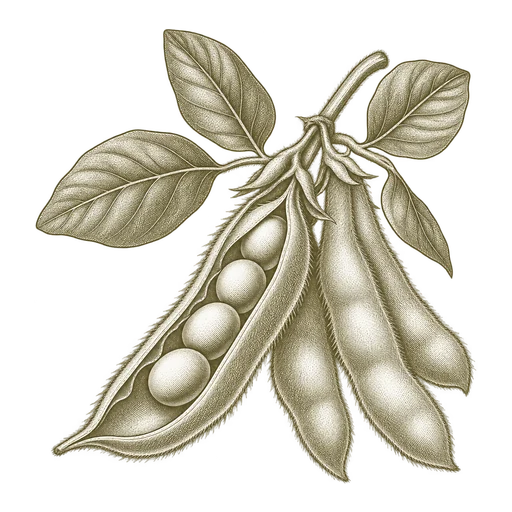
Soybean hulls are the outer coverings separated during soybean processing. In cattle feed, their principal contribution is digestible fiber energy; they do not replace effective roughage, so the ration still needs adequate forage or another effective-fiber source.
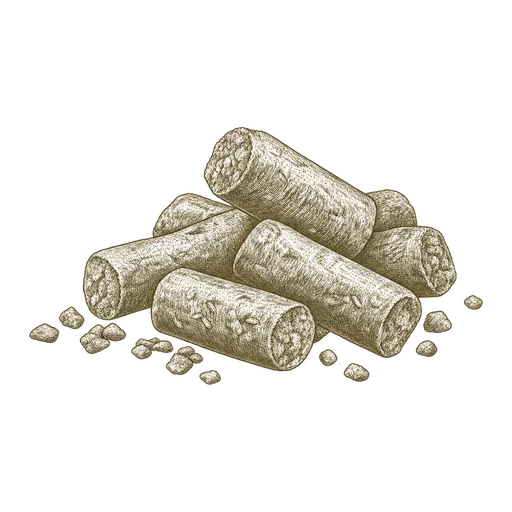
Loose hulls are light and fluffy. Pelleting compresses the material, increasing bulk density and generally easing handling and transport. The two forms call for different receiving and feeding considerations.
Soybean hulls are distinct from soybean mill feed and soybean mill run, which can contain other milling material or bean meats adhering to hulls. Identify the ingredient precisely when comparing bulk offers.
Hulls provide digestible fiber used as an energy source in cattle rations, including forage-based diets. Because that fiber is not effective roughage, hulls do not remove the need for adequate forage.
Loose hulls are fluffy and bulky, while pellets are compressed and denser. Match the form to unloading, storage and feeding equipment rather than assuming the forms handle alike.
Crude protein varies among loads, and energy value depends on the wider ration. A current analysis, read on a consistent as-fed or dry-matter basis, gives a more useful comparison than a generic profile.
| Characteristic | Why it matters |
|---|---|
| Ingredient identity | Separate soybean hulls from soybean mill feed or soybean mill run, which include other milling material. |
| Physical form | Loose material is fluffy and bulky; pellets are compressed and denser, affecting receiving and feeding. |
| Moisture or dry matter | Provides context for the delivered material and helps compare nutrient values consistently. |
| Crude protein and reporting basis | Protein varies by load; identify whether results are as-fed or on a dry-matter basis. |
| Fiber or energy analysis | Request measures relevant to the formulation; energy value depends on the rest of the ration. |
No universal offered specification is established here. Compare a current lot analysis and its measurement basis with the requirements of the intended ration.
The useful contribution of soybean hulls is primarily digestible fiber energy, not effective roughage. Cattle still need adequate forage or other effective fiber in the ration. Hulls can be used in forage-based diets, but the appropriate role depends on the rest of the ration and the animal program.
Crude protein varies among loads, and energy value depends on the other feeds and the amount of hulls in the diet. Compare a current lot analysis rather than relying on a generic nutrient figure. Moisture or dry matter and crude protein are useful starting points; request relevant fiber or energy measures when they are part of your formulation. Check whether values are reported as-fed or on a dry-matter basis before comparing lots.
Soybean hulls are also used in dairy rations as a potential substitute for some grain or forage. The tradeoff depends on the whole ration: replacing forage must not remove the effective fiber the diet requires. Cattle feeding guidance and dairy research describe specific diet contexts, not a universal inclusion rate or a one-for-one replacement rule.
Start with the intended use, physical form, quantity and unit, delivery destination, and timing. Include whether your facility receives loose or pelleted feed and how it unloads and stores that form. These details affect whether the offered product and delivery arrangement fit the site.
Because loose hulls are bulky and dusty, account for dust control and the space and equipment required to receive them. Pellets are denser, but their handling characteristics and feeding rate still matter. Establish storage and moisture-management requirements with the product supplier and receiving team; a universal shelf life or storage limit is not established for soybean hulls.
For delivered pricing, the offered form and analysis, order quantity, destination, timing and freight arrangement all matter. State the required analysis and any agreed limits for foreign material or other quality attributes in the request, then compare the offered documentation with the ration’s needs.
Soybean hulls supply digestible fiber energy in forage-based cattle diets. Their role depends on forage quality and the rest of the ration; they do not supply the effective roughage needed to maintain adequate fiber.
Feed mills can use hulls as a fiber-energy ingredient in formulated cattle feeds. The current analysis and physical form matter when balancing the formula and matching the material to blending and receiving equipment.
Soybean hulls have been used to replace some grain or forage in dairy diets. The formulation must preserve adequate effective fiber when forage is displaced, and the appropriate use depends on the complete ration rather than a universal substitution rate.
Identify soybean hulls as distinct from soybean mill feed or mill run, then state loose or pelleted form, quantity and unit, destination, and timing. These details define the product requirement and let the freight arrangement be evaluated against the receiving site.
Describe the facility’s unloading equipment, storage setup and constraints for receiving loose or pelleted material. Loose hulls are bulky and fluffy, while pellets are denser, so the form affects the space and handling method needed.
Include the facility’s moisture-management and dust-control requirements in the order plan. Set storage conditions with the supplier and receiving team; a general shelf life or universal storage limit is not established for soybean hulls.
Alfalfa is a forage legume sourced as hay, silage, meal or pellets for livestock feed. Match the form to receiving and ration needs, then compare a lot-specific analysis on a consistent basis.
Explore ingredientAlfalfa meal is ground forage used in animal feed, with sun-cured and dehydrated processing routes and meal or pellet forms. Compare the offered process, physical form and analysis against the needs of the species and feed formulation.
Explore ingredientAlfalfa pellets are ground, compressed forage used in livestock feeding and compound feeds. Compare the drying process, alfalfa material, forage analysis and pellet characteristics to choose a form that fits your ration and receiving setup.
Explore ingredientBeet pulp pellets are a dried, compacted sugar beet co-product used as a fibrous, energy-bearing ingredient in livestock feed. Compare molasses status, lot analysis and pellet handling needs to match the product to your ration and receiving setup.
Explore ingredientSoybean hulls are used mainly as a digestible fiber energy ingredient, especially in forage-based cattle diets. They are not effective roughage, so the ration still needs adequate forage or another source of effective fiber.
Both are soybean hulls, but they differ in physical form and handling. Loose hulls are light and fluffy; pellets are compressed and denser, which can ease handling and transport. Choose the form that fits your receiving and feeding equipment.
Delivered pricing depends on the offered form and analysis, order quantity, destination, timing and freight arrangement. Include your receiving constraints and required analysis so the broker can evaluate the complete requirement.
Send your volume, destination, and key specifications. A broker can follow up with availability and commercial terms.