Independent sourcing. Better connections.Commercial buyers · Bulk ingredients
topic

Ruminant nutrition

Ruminant nutrition ingredient decisions depend on both nutrient role and physical form. This collection brings together cottonseed hulls, cottonseed hull pellets and lettuce—materials that should not be treated as interchangeable. Compare lot analyses, clarify product identity and consider how each ingredient fits the complete ration and bulk handling plan.

9 ingredients6 published Insights
EXPLORE THE COLLECTION

Ruminant nutrition ingredients

Feed Ingredients

Cottonseed Hull Pellets

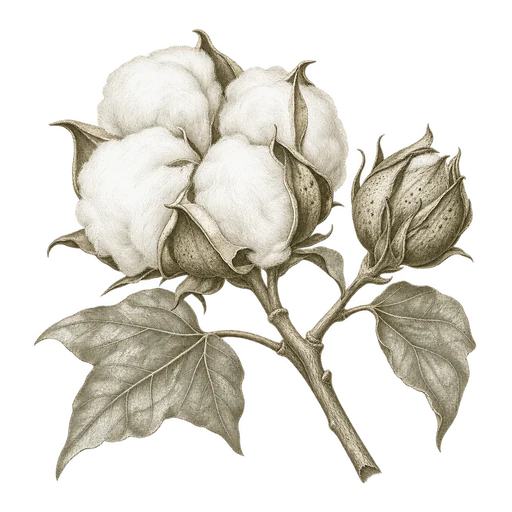
Cottonseed hull pellets are a pelleted cotton-processing co-product used as roughage in cattle diets. Compare the actual ingredient declaration and lot analysis, and match the product's physical characteristics to your ration and receiving setup.

Explore ingredient
Feed Ingredients

Cottonseed Hulls

Cottonseed hulls are a fibrous cattle-feed ingredient supplied loose or pelleted. Compare form, lot analysis, and receiving capacity to determine how the hulls fit a cattle ration and bulk handling plan.

Explore ingredient
Pulses

Great Northern Beans

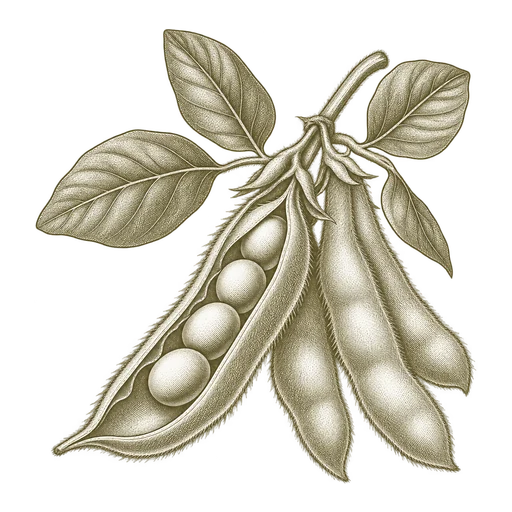
Great Northern beans are mature edible beans sourced as a food ingredient, most commonly specified as whole and dry for hydration and cooking. Distinguish them from canned beans and cull material, and compare lot analyses on a clearly stated basis.

Explore ingredient
Dried Vegetables

Lettuce

Lettuce is sourced as fresh heads or leaves, cut product, processing residue or dried waste. The type and form determine its food or potential by-product use, the quality details to compare and the handling needed for a bulk order.

Explore ingredient
Feed Ingredients

Peanut Hull Pellets

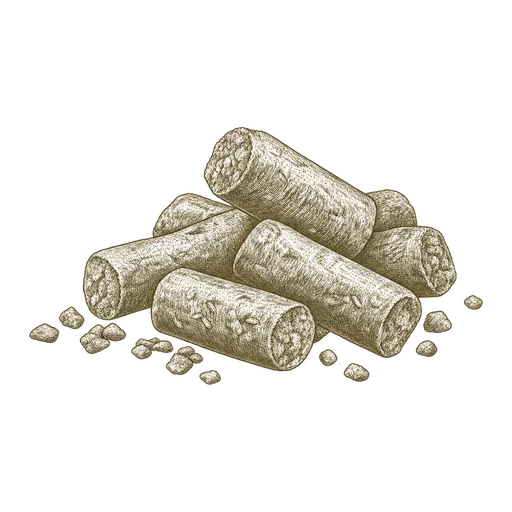
Peanut hull pellets are a processed peanut-shell by-product used as high-fiber roughage in beef cattle rations. Compare lot analysis and pellet characteristics, since processing changes effective fiber and the right role depends on the complete ration.

Explore ingredient
Dried Fruits

Pears

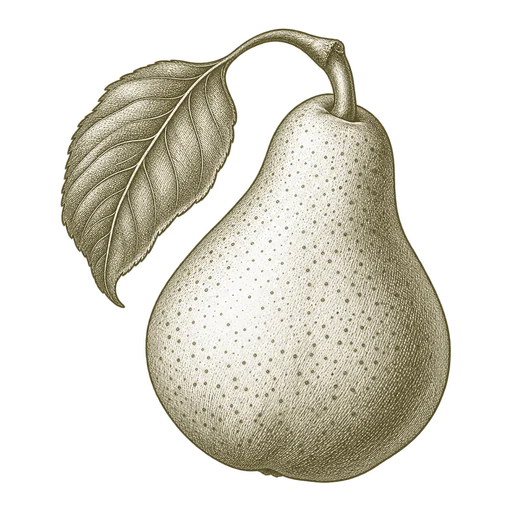
Pears are sourced as whole fresh fruit and as distinct processing products such as pulp, pomace and silage. Identify the form and intended use first: fresh-fruit maturity and handling requirements differ from feed-by-product analysis, receiving and storage needs.

Explore ingredient
Feed Ingredients

Soy Hull Pellets

Soy hull pellets are a pelleted, fiber-rich soybean co-product used in ruminant feed programs. Compare the offered lot analysis, any pellet additions, and physical handling characteristics to match the product to the ration and receiving setup.

Explore ingredient
Feed Ingredients

Soy Hulls

Soybean hulls are a digestible fiber energy feed used mainly in cattle rations. Source them loose or pelleted according to receiving needs, and compare current lot analysis and reporting basis before purchase.

Explore ingredient

Roughage: loose hulls and pellets

Cottonseed Hulls are fibrous cotton-processing material used mainly as roughage in some cattle diets, including high-concentrate rations. They are not a protein supplement. Reference values describe low protein and energy, but actual composition should be checked against a current lot analysis.

Cottonseed Hull Pellets share the hull ingredient identity but have a different physical form. Do not assume pelleting makes them nutritionally identical to loose hulls or guarantees a particular density, durability or feeding value. Compare the product’s analysis and physical specifications with the needs of the ration and the receiving equipment.

Lettuce is a different feed material

Lettuce does not belong in the same roughage comparison as cottonseed hulls. The name alone does not establish whether a lot is whole produce, trimmed material or fresh-cut processing leftovers; those forms can differ in moisture and handling history. Confirm exactly what is offered and review its analysis before considering it for feed.

Compare the lot, not just the ingredient name

For cottonseed hulls or pellets, request a representative, current analysis and check whether values are reported as-fed or on a dry-matter basis. Moisture, protein, energy estimate, fiber and minerals help clarify how the lot fits into a complete ration. For pellets, also confirm form and handling details; for loose hulls, account for their low bulk density when planning freight and storage.

Evaluate any of these ingredients for the intended animal class and full ration. Reference values and feeding guidance are not a substitute for a lot analysis or a ration decision made with a qualified nutritionist.

Common questions.

Are cottonseed hulls a protein supplement?+

No. They are primarily a fibrous roughage ingredient and have low crude protein compared with protein supplements.

Are cottonseed hull pellets nutritionally equivalent to loose hulls?+

That cannot be assumed. Compare the pellet lot’s analysis and product-specific information with the loose-hull specification and the needs of the ration.

What does a listing for lettuce need to clarify?+

Whether it is whole or trimmed produce, fresh-cut processing leftovers or another form, along with its analysis and handling history.

Which details matter when comparing bulk lots?+

Review a current representative analysis, the nutrient reporting basis and the physical form. Also consider handling and freight implications, particularly the low bulk density of loose hulls.

Ruminant nutrition · BUYER INSIGHTS

Go deeper before you source.

Focused guides to the specification, application, and delivery questions behind this ingredient.

FIELD GUIDE01Ruminant nutrition
Buyer’s guide

Soybean Meal Bulk Receiving and Storage: Questions for Buyers and Facilities

A practical pre-shipment guide to coordinating bulk soybean meal delivery, receiving equipment, lot paperwork, sampling and dry, clean storage.

Read this Insight
FIELD GUIDE02Ruminant nutrition
Buyer’s guide

Evaluating Soybean Meal for Dairy Cattle Rations: A Formulation Checklist

A dairy ration decision starts with the complete diet: forage, animal group, other protein sources, and the nutritionist’s nutrient and amino-acid targets. This checklist explains how to evaluate soybean meal’s role and what offer details to discuss before sourcing.

Read this Insight
FIELD GUIDE03Ruminant nutrition
Buyer’s guide

How to Compare Soybean Meal Protein Values on As-Fed and Dry-Matter Bases

Soybean meal protein percentages reported as-fed and on a dry-matter basis cannot be compared directly. Align moisture, reporting basis, method information, and the context of each COA before evaluating supplier values.

Read this Insight
FIELD GUIDE04Ruminant nutrition
Buyer’s guide

Planning bulk soybean hulls receiving and storage

Plan bulk soybean hulls delivery around the difference between bulky loose hulls and denser pellets, with receiving capacity, unloading, dust and moisture protection in mind.

Read this Insight
FIELD GUIDE05Ruminant nutrition
Buyer’s guide

When can soybean hulls replace forage or grain in cattle rations?

Soybean hulls can contribute digestible fiber energy in cattle rations, but they are not a one-for-one substitute for grain or effective forage. Understand the difference before considering a ration change.

Read this Insight
FIELD GUIDE06Ruminant nutrition
Buyer’s guide

How to compare soybean hulls analysis across bulk lots

Compare soybean hulls analyses for cattle feed by aligning moisture, crude protein, fiber and energy results on a clear, consistent basis. Learn why as-fed and dry-matter values differ and how to use lot analysis alongside ration requirements.

Read this Insight