Grains
Alfalfa
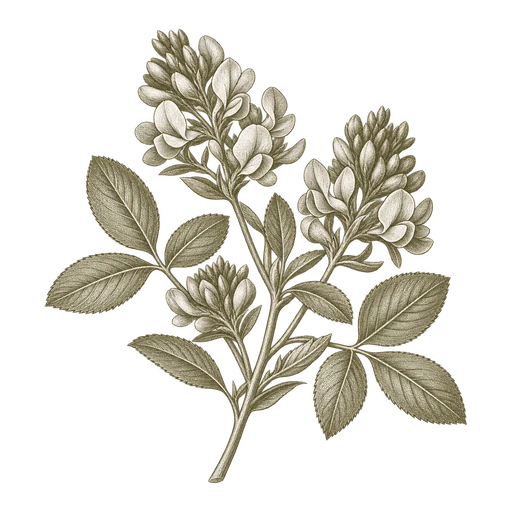
Alfalfa is a forage legume sourced as hay, silage, meal or pellets for livestock feed. Match the form to receiving and ration needs, then compare a lot-specific analysis on a consistent basis.
Explore ingredientCompare peanut meal analyses by matching product identity, processing route and moisture basis before evaluating protein, fat, energy or aflatoxin documentation.
A peanut meal analysis is useful only when the name describes the material being tested. “Peanut meal” can refer to a protein-rich material left after oil is removed, but the exact product may differ according to which peanut fractions are included and how the material was processed. Whole-kernel material, material containing hulls, and other peanut processing fractions are not interchangeable for interpreting an analysis.
Ask the supplier’s specification or lot document to identify the product and its included fractions. Processing route matters too: how much oil remains affects both fat analysis and the ingredient’s contribution to a ration. Without a clear identity and processing description, a protein figure alone cannot tell you whether two offers are comparable.
Moisture changes the apparent concentration of nutrients in a sample. An analysis reported as received includes the water present in that sample; a dry-matter basis expresses nutrient content after accounting for moisture. If two peanut meal analyses use different bases, their protein or fat values can look different even when the underlying dry material is more similar.
Read the basis stated for each result before comparing it, and check whether moisture is reported alongside the other values. If the basis is missing or unclear, the numbers are not ready for a like-for-like comparison. This distinction is particularly important when a nutritionist uses an analysis to calculate a ration or compare ingredients by nutrient contribution.
Crude protein is a key comparison field for peanut meal, but it should not be read in isolation. Residual fat is affected by oil removal and contributes energy, while the product’s identity and included fractions also influence how the analysis should be interpreted. A protein value without a clear moisture basis and product description gives an incomplete picture.
Energy may appear as an analyzed or calculated value, depending on the document and method used. Compare energy figures only when their basis and calculation or measurement approach are clear. For feed formulation, have the nutritionist assess the values together and determine whether the analysis provides the information needed for the intended ration; do not infer performance from one number.
Aflatoxin documentation matters because peanuts and peanut-derived materials can be evaluated for these naturally occurring contaminants, but the relevant requirement depends on the product’s intended use and applicable rules. Documentation for peanuts intended for human consumption is not automatically the right document or acceptance criterion for a feed ingredient. A feed buyer should identify the intended species and use, then verify the current requirements that apply to that product and destination.
Check what material the report covers, whether it refers to the offered lot, which aflatoxin or testing basis it identifies, and whether the result is expressed in a way that can be compared with the buyer’s requirement. A document for raw peanuts should not be assumed to characterize a processed meal unless its scope makes that connection clear. Where regulations or contractual limits apply, confirm the current requirements with the appropriate qualified regulatory or technical contact.
A practical comparison records the product name and included fractions, processing route, moisture basis, protein, fat, moisture and energy fields, plus the method or basis needed to interpret each result. Keep the aflatoxin report with the corresponding product and lot information, and distinguish feed-use documentation from human-food documentation. Missing information is a reason to pause the comparison, not a reason to fill in assumed values.
For a bulk purchase, share the intended use and the analysis fields your formulator or quality team needs when requesting an offer. The [Peanuts](/ingredients/peanuts) page is the natural starting point for buyers sourcing peanuts; discuss the exact peanut-derived product required rather than assuming a general peanut offer is peanut meal.
Differences can reflect product identity, included fractions, processing route, moisture content, or reporting basis. Compare the descriptions and basis first; a protein number by itself does not establish that the materials are equivalent.
Use the same basis for both materials. As-received values include the sample’s moisture, while dry-matter values account for it. Check that moisture and the reporting basis are identified before comparing results.
Not automatically. The report’s product scope, intended use and applicable requirements matter. Verify current requirements for the specific feed product and destination, and check that the document covers the material and lot being considered.
Product identity, included fractions, processing route, moisture basis, protein, fat and energy are useful fields to evaluate together. A nutritionist can determine whether the methods and information are appropriate for the intended ration.
Focused guides to the specification, application, and delivery questions behind this ingredient.
Plan bulk peanut shipments by specifying the exact product form, quantity, destination, receiving setup and lot-linked quality records before delivery.
Read this InsightA practical guide to assessing peanut meal in cattle rations, from the offered analysis and protein value to amino-acid balance, digestibility and the important distinction from whole cull peanuts.
Read this InsightAlfalfa is a forage legume sourced as hay, silage, meal or pellets for livestock feed. Match the form to receiving and ration needs, then compare a lot-specific analysis on a consistent basis.
Explore ingredientAlfalfa meal is ground forage used in animal feed, with sun-cured and dehydrated processing routes and meal or pellet forms. Compare the offered process, physical form and analysis against the needs of the species and feed formulation.
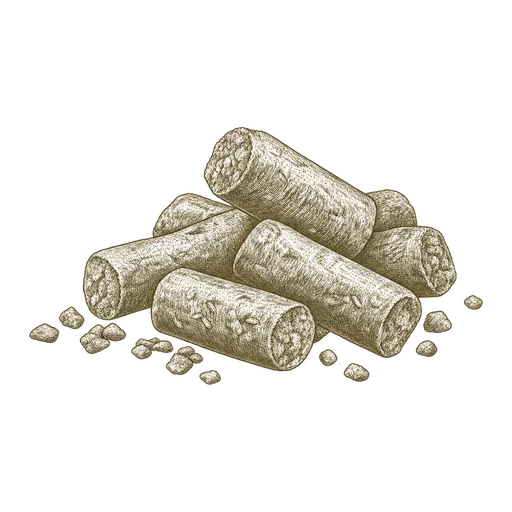
Explore ingredientAlfalfa pellets are ground, compressed forage used in livestock feeding and compound feeds. Compare the drying process, alfalfa material, forage analysis and pellet characteristics to choose a form that fits your ration and receiving setup.
Explore ingredientAlmond hulls are the dried outer layer of the almond fruit, sourced for ruminant feed as hull-only material or as a hull-and-shell mixture. Compare the lot’s composition, physical form, and handling needs before arranging a bulk shipment.
Explore ingredient