Independent sourcing. Better connections.Commercial buyers · Bulk ingredients
tag

Peanuts

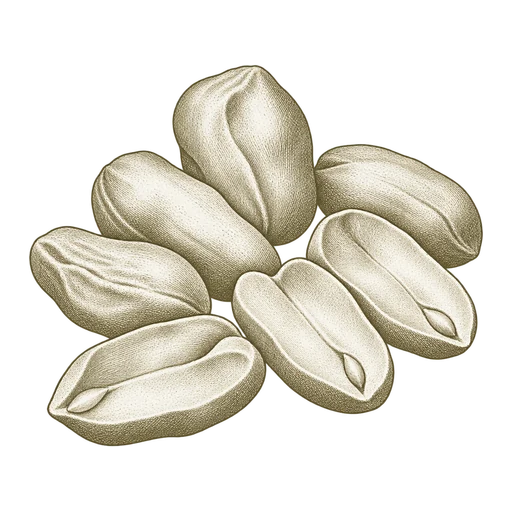
Explore bulk peanut forms including blanched kernels, splits, roasted hearts, generic peanuts and Runner inshells. Compare processing and presentation, then define grade, size, condition and documentation requirements for the lot.

5 ingredients6 published Insights
EXPLORE THE COLLECTION

Peanuts ingredients

Peanuts

Blanched Peanuts

Blanched peanuts are shelled kernels with the red seed coat removed, used in food processing such as peanut butter and salted peanuts. Compare kernel form, heat-treatment status, skin removal, and lot-specific quality information to match the product to your process.

Explore ingredient

Feed Ingredients

Peanuts

Peanuts are sourced as whole kernels and processed products such as peanut meal, hulls and skins. Identify the exact form and intended use first, then compare the relevant analysis and aflatoxin documentation before arranging a bulk shipment.

Explore ingredient
Peanuts

Roasted Peanut Hearts

Roasted peanut hearts are roasted peanut kernels, but the name does not define whether a lot is whole, split or broken. Specify kernel form, roast method, skin and seasoning status, along with relevant quality documentation and receiving needs.

Explore ingredient
Peanuts

Runner Inshells

Runner inshell peanuts are runner-type peanuts sold with their kernels enclosed in the pods. Distinguish the market type from the physical form, and compare whole-pod condition, moisture information and intended-use requirements when sourcing a bulk lot.

Explore ingredient

Peanut forms differ in skin, size and shell

This collection brings together five peanut forms: Blanched Peanuts, Peanut Splits, Peanuts, Roasted Peanut Hearts and Runner Inshells. The names describe different levels of processing or presentation, but they do not establish a shared grade, size, roast status or intended use.

Blanched Peanuts have had their skins removed; blanching alone does not mean they are roasted. Peanut Splits are split or broken kernels, but the name does not specify the split percentage or size. Roasted Peanut Hearts are heat-treated, though “hearts” should be defined in the offered lot specification. Runner Inshells retain the shell. For generic Peanuts, confirm whether the lot is shelled or in-shell, raw or roasted, and whole or mixed with pieces.

Match the form to the finished product

Intact, size-graded kernels can suit uses where appearance matters; splits and pieces can fit applications where whole-kernel appearance is less important. In-shell product is a different format, not a substitute for shelled kernels. Peanut ingredients are used in products such as spreads, roasted snacks, coatings and bakery items, but a product name alone does not confirm that a particular lot is ready for a specific process.

Peanuts are a major food allergen. Confirm allergen declarations and cross-contact controls for your own product and facility requirements. Do not infer food-use suitability or process validation from the listed form.

Specify the lot, not just the product name

For a bulk request, define market type, raw or roasted status, screen or size basis, and limits for splits, broken or damaged kernels and foreign material. For Runner Inshells, request an applicable inshell specification: shelled Runner grades do not define inshell sizing or quality.

Review lot-specific moisture results and relevant safety documentation for the intended use, including aflatoxin information where applicable. For roasted or longer-stored kernels, clarify roast characteristics, packaging and shelf-life basis; ask whether a high-oleic claim applies and what documentation supports it. Splits and broken pieces can be more susceptible to oxidation than intact kernels.

Common questions.

Does blanching mean the peanuts are roasted?+

No. Blanching removes the skin, and blanched peanuts can still be raw. Confirm the lot’s process history and roast status.

What should I confirm for Peanut Splits?+

Specify market type, size or screen basis, split and broken fractions, roast status, and whether the kernels are blanched.

Does Runner Inshells identify a grade or size?+

No. Request the applicable inshell specification, including its sizing and quality criteria; shelled Runner standards do not define inshell product.

What information belongs in a bulk peanut request?+

State the form and intended use, processing status, size basis, defect limits, moisture requirements, packaging needs and relevant lot-specific testing or documentation.

Peanuts · BUYER INSIGHTS

Go deeper before you source.

Focused guides to the specification, application, and delivery questions behind this ingredient.

FIELD GUIDE01Peanuts
Buyer’s guide

Runner inshell peanuts: receiving and dry-storage planning

Plan bulk runner inshell peanut receiving around the order quantity, destination, packaging and unloading setup. Dry, adequately ventilated storage and lot-specific moisture information help shape a practical handling plan.

Read this Insight
FIELD GUIDE02Peanuts
Buyer’s guide

Runner inshell peanuts for processing: when does the pod form fit?

Runner identifies the peanut market type; inshell means the product arrives as whole pods. For processors, the key question is whether pods fit the receiving and shelling process before kernels enter manufacturing.

Read this Insight
FIELD GUIDE03Peanuts
Buyer’s guide

Runner inshell peanut quality: what lot information matters?

Compare runner inshell peanut lots by their whole-pod criteria, not by a shelled-kernel grade alone. Identity, cleaning, pod condition, foreign material, moisture basis and lot-specific records all help establish what an offer actually represents.

Read this Insight
FIELD GUIDE04Peanuts
Buyer’s guide

Roasted Peanut Hearts Storage and Receiving: Moisture, Packaging and Lot Records

Prepare to receive roasted peanut hearts by matching shipment details to your facility, inspecting package condition and lot records, and protecting kernels from moisture and pests. Obtain storage guidance for the specific lot.

Read this Insight
FIELD GUIDE05Peanuts
Buyer’s guide

Using Roasted Peanut Hearts for Peanut Paste: What Processors Should Define

A practical guide to defining kernel form, roast, skin status and added ingredients before sourcing roasted peanut hearts for peanut paste processing.

Read this Insight
FIELD GUIDE06Peanuts
Buyer’s guide

Roasted Peanut Hearts Specifications: Defining Kernel Form and Quality

“Roasted peanut hearts” does not define a complete grade. Specify kernel shape, size and appearance tolerances, roast method, skin and seasoning separately, then compare the actual lot and its documentation with the requirements of your process.

Read this Insight