Independent sourcing. Better connections.Commercial buyers · Bulk ingredients
tag

Oilseed ingredients

A buyer-focused overview of peanuts and sunflower hearts as distinct bulk seed ingredients, covering product forms, quality checks and moisture-conscious handling.

2 ingredients6 published Insights
EXPLORE THE COLLECTION

Oilseed ingredients ingredients

Feed Ingredients

Peanuts

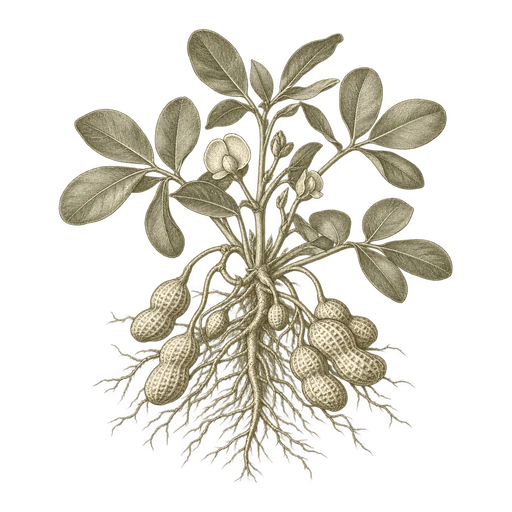
Peanuts are sourced as whole kernels and processed products such as peanut meal, hulls and skins. Identify the exact form and intended use first, then compare the relevant analysis and aflatoxin documentation before arranging a bulk shipment.

Explore ingredient
What this collection includes

This collection groups two oil-rich ingredients used in bird-feeding blends or offered on their own: peanuts and sunflower hearts. The category is a practical buying grouping, not a claim that the products are botanically identical or interchangeable.

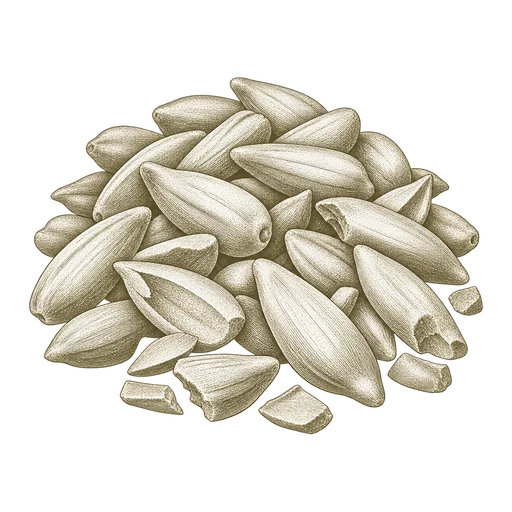
Peanuts are kernels of a legume, while sunflower hearts are sunflower kernels with the hull removed. These are whole or minimally processed seed ingredients, not oilseed meals. Meal specifications and nutrition data should not be applied to either product.

Forms and fit for use

Confirm the physical form before comparing offers. Peanuts may be supplied in-shell or as kernels, including whole, split or smaller pieces; sunflower hearts may be whole kernels, chips or a mixture. The form affects how a product fits a blend, feeder or handling process.

For bird feeding, sunflower hearts avoid the discarded hulls associated with intact sunflower seed. However, the exposed kernels need protection from moisture and can spoil quickly. Peanuts and sunflower can both attract other wildlife, so the intended feeder or use matters.

Bulk buying and quality checks

Set the intended use and required form first, then compare lots against a relevant specification. For peanuts, useful quality details can include kernel size, damage, foreign material and moisture. Ask for applicable aflatoxin test documentation, including the method, result and sampling basis; do not treat a human-food benchmark as a universal bird-feed limit.

For either ingredient, clarify the lot’s moisture and foreign-material criteria, handling requirements and intended-use declaration. Keep stock dry and protect it from damp conditions. Backyard feeder guidance does not establish bulk shelf life, warehouse storage limits or a guaranteed storage duration.

Common questions.

Are peanuts and sunflower hearts the same kind of ingredient?+

No. Peanuts are kernels of a legume; sunflower hearts are sunflower kernels with the hull removed. They are grouped here as oil-rich bird-feed ingredients, not as identical commodities.

Are sunflower hearts the same as sunflower meal?+

No. Hearts are sunflower kernels; meal is a product left after oil extraction. Meal composition information does not describe sunflower hearts.

What quality information should I request for peanuts?+

Confirm the form and applicable specification, including relevant details such as size, damage, foreign material and moisture. Request any relevant aflatoxin test method, result and sampling basis for the intended use.

How should bulk peanuts and sunflower hearts be handled?+

Protect both from moisture and keep them dry. The evidence supports these precautions but does not establish a particular bulk-storage temperature or guaranteed shelf life.

Oilseed ingredients · BUYER INSIGHTS

Go deeper before you source.

Focused guides to the specification, application, and delivery questions behind this ingredient.

FIELD GUIDE01Oilseed ingredients
Buyer’s guide

Planning bulk sunflower hearts receiving and storage

Plan a bulk sunflower hearts order around your site’s receiving capabilities and storage conditions. Dehulled kernels need product-specific handling decisions; whole-seed storage guidance should not be applied automatically.

Read this Insight
FIELD GUIDE02Oilseed ingredients
Buyer’s guide

Choosing sunflower hearts for sunflower seed butter

A practical guide to defining raw or roasted, whole or broken sunflower hearts—and the cleanliness, condition and food-safety requirements needed for sunflower seed butter.

Read this Insight
FIELD GUIDE03Oilseed ingredients
Buyer’s guide

How to compare sunflower hearts specifications and lot analysis

Compare sunflower hearts by physical form and processing state as well as by analysis. Learn how moisture, nutrient reporting basis, foreign material and kernel condition shape a useful lot specification.

Read this Insight
FIELD GUIDE04Oilseed ingredients
Buyer's guide

Planning receiving and lot records for bulk peanut shipments

Plan bulk peanut shipments by specifying the exact product form, quantity, destination, receiving setup and lot-linked quality records before delivery.

Read this Insight
FIELD GUIDE05Oilseed ingredients
Buyer’s guide

Peanut meal in cattle rations: what nutritionists need to assess

A practical guide to assessing peanut meal in cattle rations, from the offered analysis and protein value to amino-acid balance, digestibility and the important distinction from whole cull peanuts.

Read this Insight
FIELD GUIDE06Oilseed ingredients
Buyer’s guide

How to compare peanut meal analysis and aflatoxin documentation

Compare peanut meal analyses by matching product identity, processing route and moisture basis before evaluating protein, fat, energy or aflatoxin documentation.

Read this Insight