Grains
Alfalfa
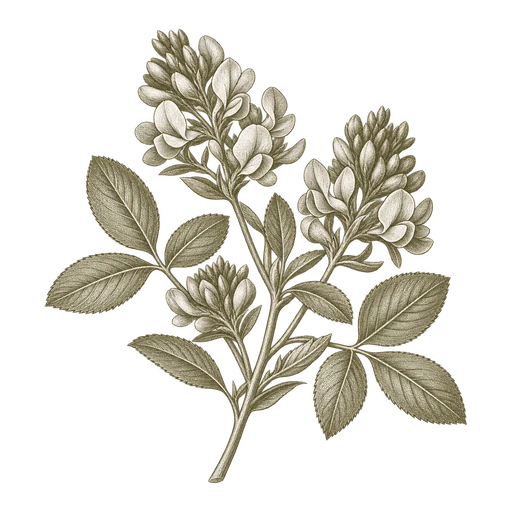
Alfalfa is a forage legume sourced as hay, silage, meal or pellets for livestock feed. Match the form to receiving and ration needs, then compare a lot-specific analysis on a consistent basis.
Explore ingredientA practical guide to assessing peanut meal in cattle rations, from the offered analysis and protein value to amino-acid balance, digestibility and the important distinction from whole cull peanuts.
Peanut meal can contribute protein to a cattle ration, but “protein-rich” is not a feeding recommendation. Its value depends on the composition of the particular meal and how that composition fits the rest of the ration. Oil-extraction method and the amount of hull material in the meal can affect its nutrient profile, so do not assume that one peanut meal analysis represents every offer.
Begin with the offered lot’s analysis and check the basis of each value. Crude protein, moisture, fat or ether extract, fiber and ash help describe the ingredient; comparing values on an as-fed basis with dry-matter values can give a misleading picture. Use the analysis that matches the material being considered, and distinguish guaranteed specifications from a typical analysis when both are provided.
Peanut products also warrant attention to aflatoxin results because contamination can be associated with peanuts and their co-products. Review the test information and the applicable feed program requirements with the qualified nutrition or quality staff responsible for the ration. A protein analysis alone does not answer that separate quality question.
For cattle, protein evaluation is not simply a comparison of crude-protein percentages. Protein entering the rumen can be degraded by microbes, while some protein may escape ruminal degradation and contribute to amino acids absorbed later in the digestive tract. The useful balance depends on the animal’s needs, the rest of the diet and the meal’s protein characteristics.
Ask whether the formulation requires information about rumen-degradable and rumen-undegradable protein, and what method or basis supports any values supplied. If those data are unavailable, a nutritionist may need to work from the available analysis and use an appropriate feed evaluation system. Do not treat an assumed protein fraction as a measured property of a particular lot.
The practical question is how peanut meal’s protein contribution interacts with forage, other concentrates and the ration’s overall energy and protein supply. A nutrient value that looks attractive on its own may add little useful balance if it duplicates nutrients already abundant in the diet or fails to address a limiting need.
Amino-acid balance matters most when considering the protein that becomes available to the animal after rumen fermentation, not just the amino acids listed for the raw ingredient. Peanut meal’s amino-acid composition should therefore be interpreted alongside ruminal protein degradation and the rest of the ration. If the feeding program uses amino-acid formulation, ask for the relevant analysis or evaluation basis rather than inferring availability from crude protein.
Digestibility is similarly context-dependent. A digestibility figure is useful only when its method and reported nutrient are clear; values from different methods or bases may not be directly comparable. Processing, ingredient composition and the complete diet all inform how a nutritionist interprets the result. If no digestibility data are offered, do not replace them with a confident prediction based on the product name.
These distinctions help prevent a common mistake: treating a feed ingredient’s headline protein value as proof of equivalent usable protein or animal response. The nutritionist should evaluate the meal as one component in the formulated ration and decide whether additional analysis is needed for the intended cattle class and production situation.
Peanut meal and raw whole cull peanuts are different feed materials. Meal is a processed, ground co-product of oil extraction; whole cull peanuts retain their kernel-and-shell form and have a different physical structure and nutrient composition. Their handling and contribution to a ration cannot be assumed to match simply because both come from peanuts.
Whole cull peanuts need a separate evaluation based on their actual form, condition and analysis, as well as the nutritionist’s assessment of how they would be used. Do not transfer a feeding conclusion, inclusion decision or performance expectation from meal to whole peanuts. The cull description alone does not establish a consistent feed specification.
Define the needed form before discussing supply. If peanut meal is the intended ingredient, use the Peanuts page to begin sourcing after identifying that meal—not raw whole cull peanuts—is the product required.
For a useful evaluation, assemble the cattle class and ration context, the offered analysis with its reporting basis, any available protein-fraction or digestibility information, and the quality documentation required by the feed program. Include the physical form and quantity needed so the proposed ingredient is clearly distinguished from whole peanuts or another peanut product.
Then compare the meal’s contribution with the ration’s existing protein and amino-acid supply. The final decision belongs in the complete formulation: a protein-rich description is a starting point for evaluation, not evidence of an appropriate inclusion rate or a promised outcome. For sourcing, return to the Peanuts page once the product form and essential analysis requirements are defined; commercial terms depend on the specific offer.
Focused guides to the specification, application, and delivery questions behind this ingredient.
Plan bulk peanut shipments by specifying the exact product form, quantity, destination, receiving setup and lot-linked quality records before delivery.
Read this InsightCompare peanut meal analyses by matching product identity, processing route and moisture basis before evaluating protein, fat, energy or aflatoxin documentation.
Read this InsightAlfalfa is a forage legume sourced as hay, silage, meal or pellets for livestock feed. Match the form to receiving and ration needs, then compare a lot-specific analysis on a consistent basis.
Explore ingredientAlfalfa meal is ground forage used in animal feed, with sun-cured and dehydrated processing routes and meal or pellet forms. Compare the offered process, physical form and analysis against the needs of the species and feed formulation.
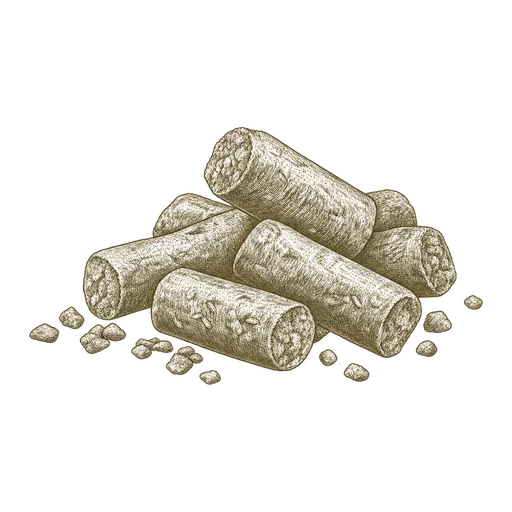
Explore ingredientAlfalfa pellets are ground, compressed forage used in livestock feeding and compound feeds. Compare the drying process, alfalfa material, forage analysis and pellet characteristics to choose a form that fits your ration and receiving setup.
Explore ingredientAlmond hulls are the dried outer layer of the almond fruit, sourced for ruminant feed as hull-only material or as a hull-and-shell mixture. Compare the lot’s composition, physical form, and handling needs before arranging a bulk shipment.
Explore ingredient