Grains
Alfalfa
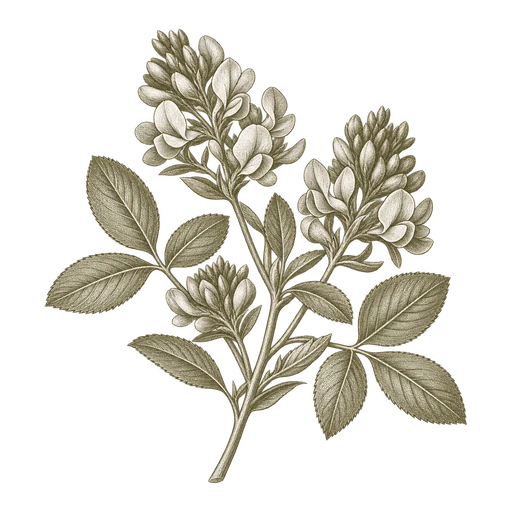
Alfalfa is a forage legume sourced as hay, silage, meal or pellets for livestock feed. Match the form to receiving and ration needs, then compare a lot-specific analysis on a consistent basis.
Explore ingredientPlan bulk peanut shipments by specifying the exact product form, quantity, destination, receiving setup and lot-linked quality records before delivery.
A useful bulk peanut shipment plan starts by naming the product precisely. Whole peanuts and peanut meal are different materials: one is supplied as whole kernels or peanuts in another specified condition; the other is a processed meal. They differ in physical form and how a facility handles and uses them, so a request that says only “peanuts” can leave important questions unresolved.
State the intended form and any relevant product description, then provide the quantity and unit you use for purchasing or receiving. Include the delivery destination and the date or delivery window that fits your operation. These details give a broker the basis to discuss a shipment that matches the intended product and destination, rather than treating a general ingredient name as a complete order specification.
The receiving setup can determine which shipment arrangements are workable. Describe the packaging or unloading method your site can accept, along with practical constraints such as available unloading equipment, access, receiving hours or space for temporary staging. A facility set up to unload one type of package or vehicle may not be ready for another, so these details should be settled before shipment terms are finalized.
Packaging affects more than convenience. It influences how product is moved from the delivery point into storage and whether the receiving team can keep each lot identified during handling. Ask which packaging is actually available for the specific peanut form, and verify the shipment’s unloading requirements and any destination-specific constraints. These are supplier- and order-specific details, not assumptions to build into a plan.
A lot number or other shipment identifier links the physical material to the records that describe it. Preserve that connection from receipt through internal storage and use: record the identifier on receiving paperwork and retain it alongside the applicable quality documents. If product is divided or moved into another container, keep the original lot reference with the resulting inventory records.
For peanuts, aflatoxin information can be an important part of the applicable quality record. Ask what documentation accompanies the offered lot, which lot or shipment it covers, and how the identifiers on the paperwork correspond to the delivered product. Do not assume that a document for one lot applies to another, or that a particular test or record is included unless it has been specified for the transaction. The buyer’s documentation requirements should be clear before dispatch so the records can be matched and reviewed at receipt.
Before delivery, make sure the receiving team knows the product form, expected quantity, packaging, unloading plan and identifying marks to look for. At receipt, reconcile the delivered product and its lot identifiers with the shipping paperwork and the quality documents provided. Resolve any mismatch while the shipment details are readily available, rather than separating the material from the records.
After receiving, use the storage and handling practices established for your facility and the product’s intended use. Keep the product protected from moisture, contamination and conditions that could compromise its quality, and preserve lot separation where records or internal procedures require it. Exact storage limits and any special handling directions depend on the offered product and should come from the supplier’s applicable product information; do not infer a shelf life or temperature limit from the ingredient name alone.
For a clear request, provide the exact form—whole peanuts or peanut meal—plus quantity and unit, destination, required timing, packaging preference or receiving method, and any quality records needed for the lot. Include constraints that could affect unloading or scheduling. Then ask the broker to identify the product, packaging, delivery arrangement, applicable lot documentation and any supplier-specific receiving or storage directions relevant to the offer.
Delivered pricing and shipment arrangements depend on the specific product, order and destination. Once your requirements are assembled, visit the [Peanuts] page to submit a bulk sourcing request. Confirm final product, lot records, packaging, receiving details and commercial terms for the particular offer before arranging delivery.
Specify whole peanuts or peanut meal, quantity and unit, delivery destination, timing, packaging or unloading needs, and any quality documents required. Include site constraints that could affect receiving.
The lot identifier connects the delivered product to the records that apply to it. Keep identifiers consistent across receiving paperwork, quality documents and internal inventory records so the documentation is not mistakenly associated with another lot.
Do not infer a precise limit from the ingredient name alone. Follow the applicable product information and your facility’s procedures, and obtain any supplier-specific storage directions for the offered form and lot.
Focused guides to the specification, application, and delivery questions behind this ingredient.
A practical guide to assessing peanut meal in cattle rations, from the offered analysis and protein value to amino-acid balance, digestibility and the important distinction from whole cull peanuts.
Read this InsightCompare peanut meal analyses by matching product identity, processing route and moisture basis before evaluating protein, fat, energy or aflatoxin documentation.
Read this InsightAlfalfa is a forage legume sourced as hay, silage, meal or pellets for livestock feed. Match the form to receiving and ration needs, then compare a lot-specific analysis on a consistent basis.
Explore ingredientAlfalfa meal is ground forage used in animal feed, with sun-cured and dehydrated processing routes and meal or pellet forms. Compare the offered process, physical form and analysis against the needs of the species and feed formulation.
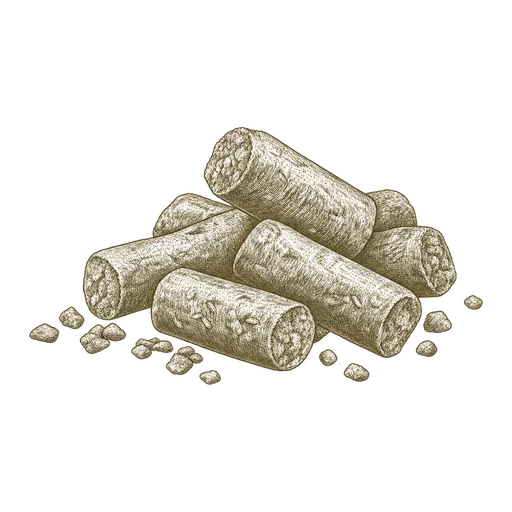
Explore ingredientAlfalfa pellets are ground, compressed forage used in livestock feeding and compound feeds. Compare the drying process, alfalfa material, forage analysis and pellet characteristics to choose a form that fits your ration and receiving setup.
Explore ingredientAlmond hulls are the dried outer layer of the almond fruit, sourced for ruminant feed as hull-only material or as a hull-and-shell mixture. Compare the lot’s composition, physical form, and handling needs before arranging a bulk shipment.
Explore ingredient