Independent sourcing. Better connections.Commercial buyers · Bulk ingredients
topic

Quality analysis

A practical overview of quality analysis across bulk ingredients, with guidance on ingredient identity, test basis, sampling and lot-specific documentation.

45 ingredients6 published Insights
EXPLORE THE COLLECTION

Quality analysis ingredients

Grains

Brewers Rice

Brewers rice is a broken-rice milling fraction used in brewing, fermented products and animal feed. Compare broken, granulated or ground forms and review lot-specific physical and analytical details before sourcing in bulk.

Explore ingredient
Grains

Brown Rice

Brown rice is hulled rice with its bran layers retained, sourced as whole kernels or flour for food uses. Specify grain class, processing state and quality requirements, then match packaging and storage plans to your facility.

Explore ingredient
Dairy Ingredients

Calf Milk Replacer Ingredients

Calf milk replacer ingredients include protein sources, lactose, fats and premix components used to formulate a dry powder that is mixed with water before feeding. Compare exact material identity, processing and composition because these components are not interchangeable or complete replacers on their own.

Explore ingredient
Dried Vegetables

Carrot Powder

Carrot powder can be made from dried carrot tissue or from juice or concentrate, and those forms differ in fiber, composition and dispersibility. Match the powder to the food process, then compare relevant quality measures and handling needs for the bulk order.

Explore ingredient
Tree Nuts

Cashew Pieces

Cashew pieces are broken edible kernels used as a cashew ingredient when whole-kernel appearance is unnecessary. Compare piece size, processing state and quality requirements to match the product with your food formulation.

Explore ingredient
Starches/Fibers/Proteins

Cassava Flour

Cassava flour is milled, sifted cassava root used in human-food formulations. Distinguish edible flour from feed meal and other cassava products, then compare moisture, processing and the analysis required for your intended use.

Explore ingredient
Pulses

Chickpea Protein

Chickpea protein is available as less-fractionated flour and more processed concentrates or isolates for human-food formulations. Compare protein on a consistent basis and match the ingredient’s demonstrated functional properties to the needs of the finished product.

Explore ingredient
Dairy Ingredients

Colostrum Powder

Bovine colostrum powder is a dried ingredient that can differ in IgG content, fat, lactose and processing. Compare the specific form, lot analysis and intended-use documentation before arranging a bulk order.

Explore ingredient
Animal Products

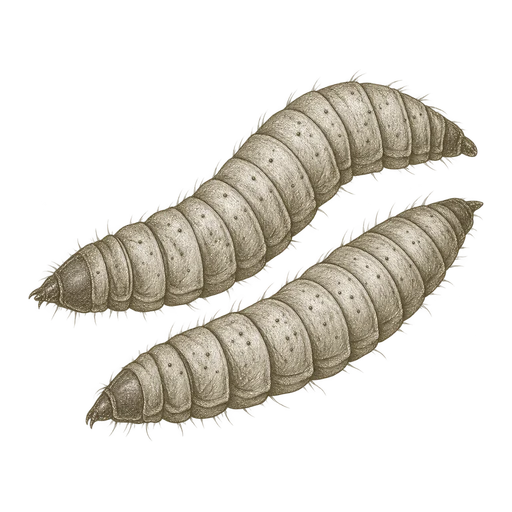
Dried Mealworms

Dried mealworms are Tenebrio molitor larvae supplied whole or ground into meal and powder for animal-feed applications. Choose the form to fit receiving and mixing needs, and compare nutrient analysis on a consistent basis because processing and test methods affect reported composition.

Explore ingredient
Feed Ingredients

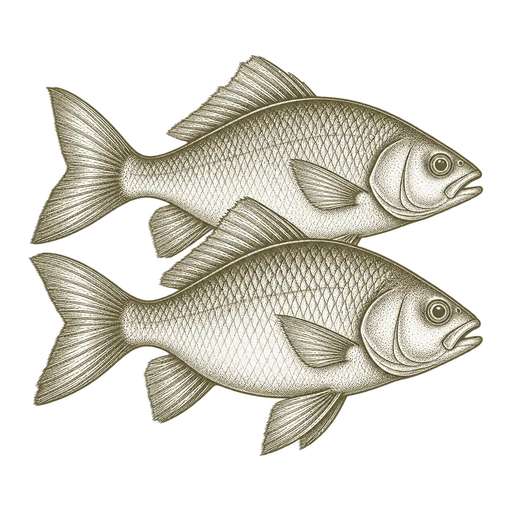
Fish Meal

Fish meal is a dried, ground feed ingredient made from whole fish, fish parts or processing residues. Used in livestock and aquaculture feeds, it varies with raw material and processing, so compare lot analysis, product identity and handling details before arranging a bulk shipment.

Explore ingredient
Dairy Ingredients

Ghee

Ghee is a concentrated dairy fat used in cooking, frying, sweetmeats and as a topping. Compare process and sensory requirements alongside milk-fat, moisture and oxidation measures, then match the packaging and receiving details to your food operation.

Explore ingredient
Pulses

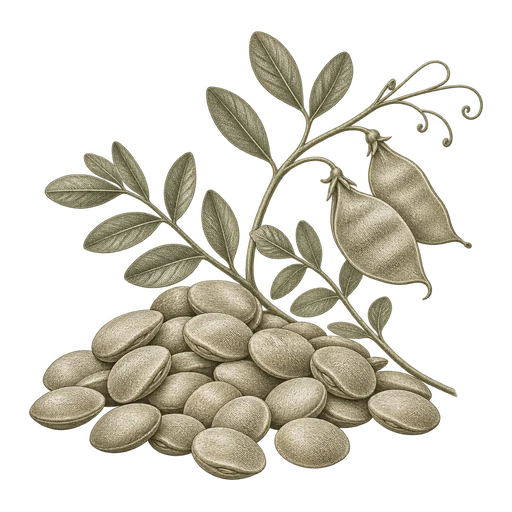
Green Lentil Flour

Green lentil flour is milled from green lentil seed for food product development, including bakery, pasta, snack and other formulations. Compare whole-seed or dehulled status, heat treatment and particle size because these differences can affect color and processing behavior.

Explore ingredient
Seeds, Grains & Specialty

Hulled Millet

Hulled millet is millet grain with its outer covering removed, sold as whole grain and also used in flour or precooked forms. Species and processing status distinguish offers and help food manufacturers match the ingredient to their production method.

Explore ingredient
Tree Nuts

Macadamia Nuts

Macadamia nuts are sourced in-shell or as kernels for snacks and food manufacturing. Compare kernel style, raw or roasted processing, moisture and oil analysis, and packaging to match the product to its intended use.

Explore ingredient
Grains

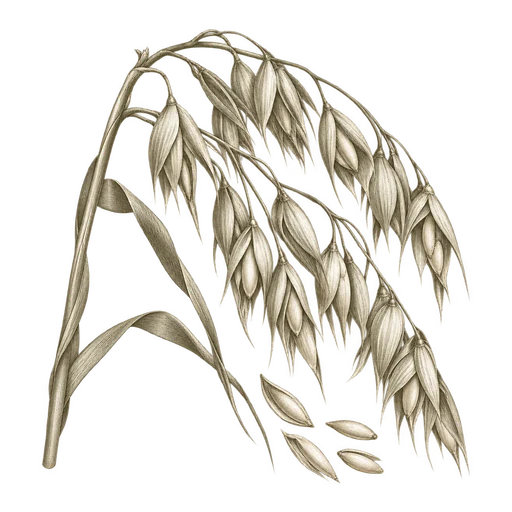
Oat Flour

Oat flour is milled oats used in bakery products, cereals, bars, batters and other food formulations. Processing and particle size affect how it blends and performs, so compare the offered flour’s preparation, analysis and grind with your recipe and receiving requirements.

Explore ingredient
Other Seeds & Grains

Oat Groats

Oat groats are dehulled oat kernels used in food processing and feed formulations. Specify whole or cut form and processing history, then compare relevant quality measures on a consistent basis.

Explore ingredient
Grains

Oatmeal

Oatmeal can mean rolled oats, another oat form, or a distinct feed milling fraction. Name the exact product and intended use, then compare the relevant quality details and receiving needs for a bulk order.

Explore ingredient
Oils/Fats

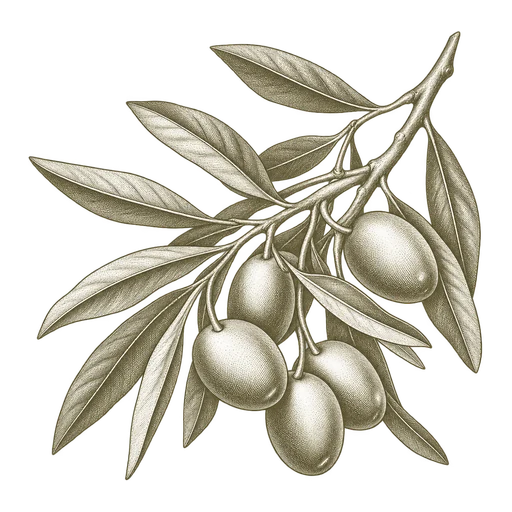
Olive Oil

Olive oil covers distinct virgin, refined, blended and pomace categories. Match the processing route and sensory requirements to the food use, then compare quality measures and receiving needs for a bulk order.

Explore ingredient
Dried Vegetables

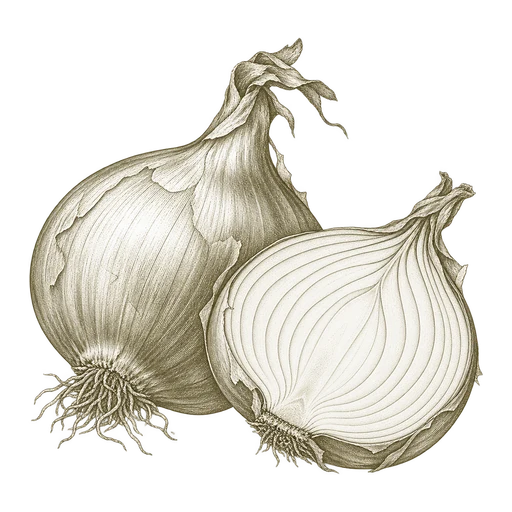
Onions

Cull onions are water-rich bulbs rejected from the fresh market, with feed-use evidence specific to particular forms and livestock trials. Compare form, moisture, condition and intended species before arranging a bulk order.

Explore ingredient
Dried Fruits

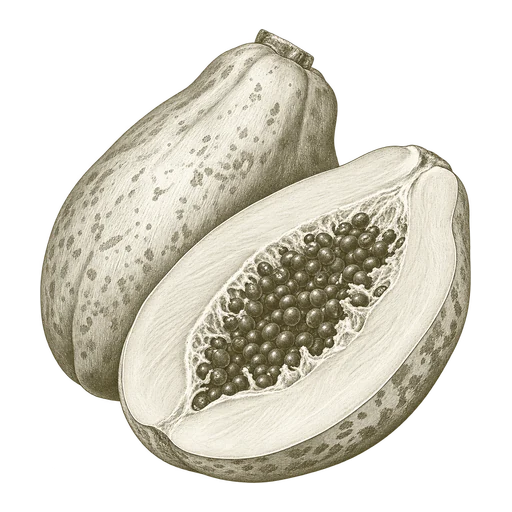
Papaya

Papaya is sourced as fresh fruit, puree, frozen or canned fruit, dried products, and distinct processing by-products. Identify the exact material and compare form-appropriate quality measures, handling needs and intended use.

Explore ingredient
Starches/Fibers/Proteins

Pea Fiber

Pea fiber is sourced from different pea fractions and processing streams, so its fiber profile and water-binding behavior can vary. Identify the material and compare its analysis and functional properties against the intended food application.

Explore ingredient
Starches/Fibers/Proteins

Pea Hull Fiber

Pea hull fiber is milled field-pea seed coat used in food formulations and animal feed. Compare hull identity, fiber analysis basis, particle size and intended grade to choose material that fits the formulation and receiving setup.

Explore ingredient
Feed Ingredients

Pea Screenings

Pea screenings are a variable grain-cleaning fraction used in livestock feed formulation. Compare whether the lot is pea-only or mixed pulse material, its physical form, analysis basis and foreign-material profile before deciding whether it fits your ration and receiving equipment.

Explore ingredient
Oils/Fats

Peanut Oil

Peanut oil is an edible oil derived from peanut seeds and used in cooking and frying. Compare the offered processing description and lot-specific quality measures, then match the order and receiving details to your intended food process.

Explore ingredient
Feed Ingredients

Peanuts

Peanuts are sourced as whole kernels and processed products such as peanut meal, hulls and skins. Identify the exact form and intended use first, then compare the relevant analysis and aflatoxin documentation before arranging a bulk shipment.

Explore ingredient
Grains

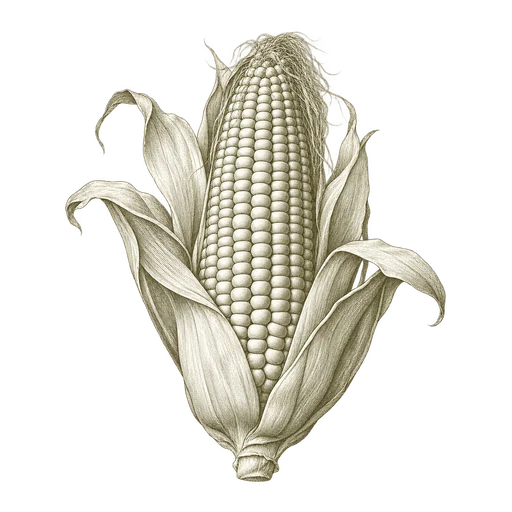
Popcorn

Popcorn is a distinct maize type purchased as whole kernels for popping or as an already-popped food ingredient. For bulk food use, match the form to your process and compare kernel moisture, popping performance and integrity against your requirements.

Explore ingredient
Animal Products

Porcine Meat Meal

Porcine meat meal is a rendered animal-protein ingredient identified as pig-derived. Compare documented product identity, nutrient and mineral analysis, and any amino-acid data needed for the intended feed formulation.

Explore ingredient
Starches/Fibers/Proteins

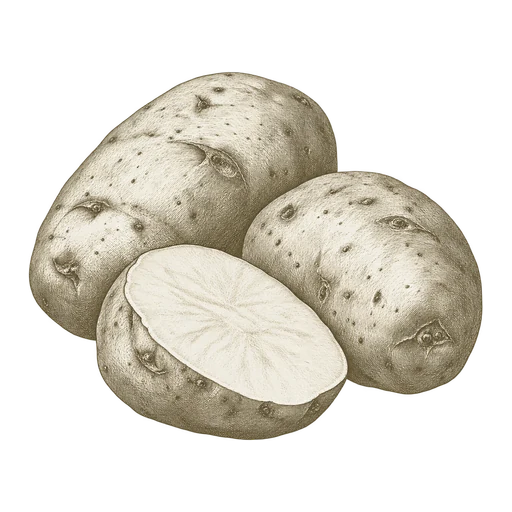
Potato Flake

Potato flakes are cooked, mashed potatoes drum-dried into pieces for use in snacks, soups, sauces, bakery products and other potato foods. Compare flakes with other dehydrated potato forms, then assess the offered lot’s quality measures, preparation guidance and storage requirements.

Explore ingredient
Starches/Fibers/Proteins

Potato Starch

Potato starch is a dried, potato-derived ingredient used in food formulations for thickening, stabilization, gel formation and texture. Identify native or modified form and compare functional specifications against the process and receiving requirements for your bulk order.

Explore ingredient
Animal Products

Poultry Fat

Poultry fat is a rendered fat used as an energy ingredient in poultry feed. Compare source identity, quality analysis and handling instructions so the offered lot fits your formulation and receiving setup.

Explore ingredient
Other Seeds & Grains

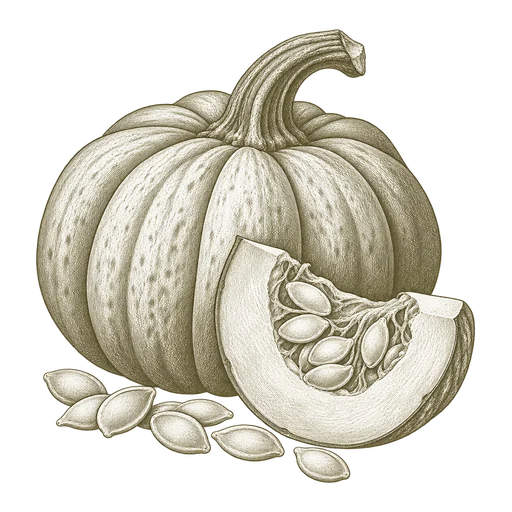
Pumpkin Seed

Pumpkin seed can mean whole food seeds, hulled kernels, ground meal or oil-extraction cake. Choose the form for its intended food or feed use, and compare the specific product’s processing and analysis before sourcing in bulk.

Explore ingredient
Grains

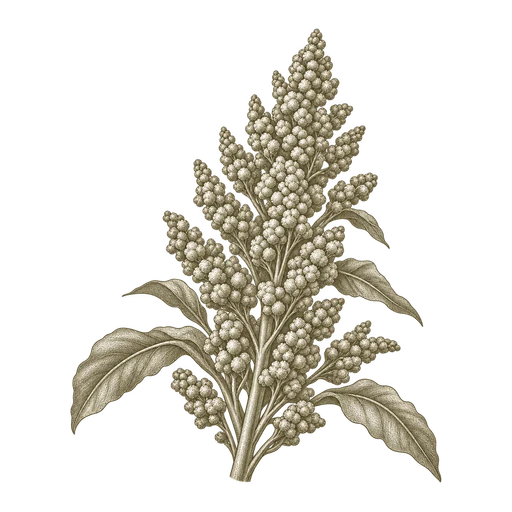
Quinoa

Quinoa is a grain-like pseudocereal seed sold in distinct forms such as whole grain and flour. Compare form, processing and relevant quality measures to match the product to a food or feed application and plan receiving and storage.

Explore ingredient
Dried Fruits

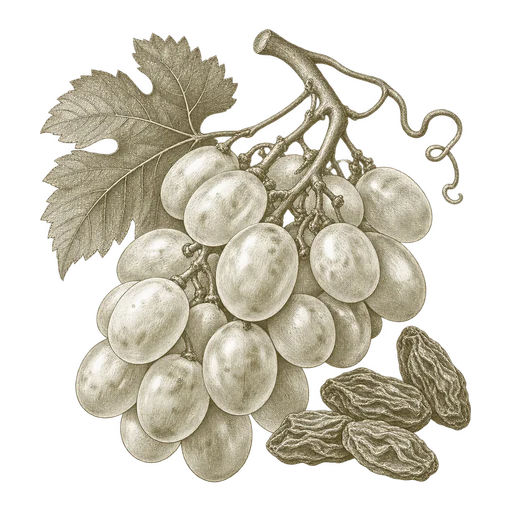
Raisins

Raisins are dried grapes used in baking, food manufacturing, confectionery and culinary products. Specify grape category, seed status, drying treatment and preparation to match the fruit to your process.

Explore ingredient
Dried Fruits

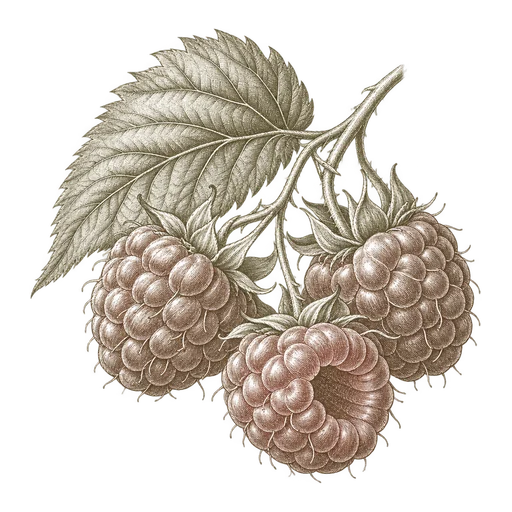
Raspberries

Bulk raspberries can mean frozen whole fruit or a distinct processing by-product such as raspberry pomace. Identify the form first, then compare quality criteria or analysis suited to its intended use.

Explore ingredient
Pulses

Red Lentils

Red lentils are sold whole, split, or split and dehulled for food processing and, where appropriate, feed use. Compare the physical form and quality factors such as moisture, foreign material, damage and color to match the order to its intended use.

Explore ingredient
Millet

Red Proso

Red proso is red-seeded proso millet sold for markets that include feed and birdseed. Choose whole, cracked or ground grain to fit the end use, and compare lot-specific physical quality and analysis against the buyer’s requirements.

Explore ingredient
Grains

Rice

Rice is sourced in distinct forms—from rough, brown and milled kernels to broken rice and milling co-products such as bran. Identify the form, intended use and relevant quality measures to compare bulk offers appropriately.

Explore ingredient
Other Seeds & Grains

Rice (White or Brown)

Bulk rice is sourced as brown or milled white rice, with whole- and broken-kernel options. The right choice depends on the end use: milling form changes the grain’s composition, while grain type, kernel condition and lot analysis help determine whether it fits a food process or feed formulation.

Explore ingredient
Grains

Rice Bran

Rice bran is a rice-milling co-product used in animal feed. Compare full-fat, defatted and stabilized forms, identify any blended milling fractions, and review current analysis because oil content, fibre and storage behavior affect formulation and handling.

Explore ingredient
Starches/Fibers/Proteins

Rice Protein

Rice protein is a protein-rich ingredient extracted from rice-derived material and supplied as a powder. Compare feedstock, processing, protein reporting basis and solubility against the intended food or animal-food application.

Explore ingredient

Peanuts

Runner Inshells

Runner inshell peanuts are runner-type peanuts sold with their kernels enclosed in the pods. Distinguish the market type from the physical form, and compare whole-pod condition, moisture information and intended-use requirements when sourcing a bulk lot.

Explore ingredient
Oils/Fats

Safflower Oil

Safflower oil is a seed-derived oil used in cooking and food manufacturing. Compare conventional and high-oleic profiles, processing method and lot analysis to match the oil to your formulation.

Explore ingredient
Seeds

Sesame

Sesame is an oilseed sourced as whole or hulled seed, oil, and oil-extraction meal. Processing changes flavor, composition and use, so identify the exact form and compare quality measures suited to that product before arranging a bulk order.

Explore ingredient

Quality analysis depends on the ingredient

Quality analysis is not one shared test panel. This collection spans grains and milling fractions, pulses and protein or fiber ingredients, oils, nuts, dried produce and animal-derived materials. A useful analysis starts with the exact ingredient and form: brown rice and brewers rice, for example, are distinct rice products, while pea fiber and pea screenings are different pea fractions. A broad category name alone does not establish identity, grade or suitability.

The members include materials used in both food and feed applications. Define the intended use before deciding which identity, composition, physical or safety measures belong in a specification. A result suitable for one ingredient or application should not be treated as proof of suitability for another.

Compare results on the same basis

When reviewing a certificate of analysis, check the ingredient and form, lot identification, sample date, analyte, method, units and reporting basis. Moisture and protein figures can be misleading when their bases differ; note whether a result is reported as received or on a dry-matter basis. For grain and rice, physical measures such as broken kernels, foreign material, damage and moisture may also matter, but rice grading terms do not apply across the rest of the collection.

Choose tests to answer a practical question about the material. Depending on the ingredient and its use, a buyer may need composition data such as protein, fat, fiber or ash, or physical information such as particle size. The relevant measures and acceptance criteria belong in the written specification; this diverse collection has no single universal panel or limit.

Sampling and lot evidence matter

A laboratory result represents the sample tested, so agree on how a lot will be sampled and identified. This is particularly important where contaminants such as mycotoxins are a concern: contamination can be unevenly distributed in particulate commodities, and a nonrepresentative sample may not reflect the lot. Ask whether the report applies to the offered lot and who collected the sample; a prior-lot result does not establish current-lot quality.

Common questions.

What should a bulk buyer check on a certificate of analysis?+

Match it to the exact ingredient, form and lot. Check the sample date, analytes, test methods, units and reporting basis, including whether results are as received or dry matter.

Can the same quality tests be used for every ingredient here?+

No. Relevant tests depend on the ingredient’s identity, form and intended use. Grain measures such as broken-kernel share are not a universal panel for oils, powders, nuts or animal-derived ingredients.

Does a clean-looking grain or nut sample rule out mycotoxins?+

No. Contamination can be unevenly distributed, so appearance alone cannot establish whether a lot meets a contaminant requirement. Agree on representative sampling and the relevant analytical method.

Why do moisture or protein results need a reporting basis?+

The basis affects how a result can be compared. Confirm whether figures are reported as received or on a dry-matter basis, and compare results only when their units and bases align.

Quality analysis · BUYER INSIGHTS

Go deeper before you source.

Focused guides to the specification, application, and delivery questions behind this ingredient.

FIELD GUIDE01Quality analysis
Buyer’s guide

Cracked corn receiving and storage: plan for particle flow

Plan bulk cracked corn receiving around the particle profile your equipment can handle, then protect the ingredient with clean, dry, pest-conscious storage.

Read this Insight
FIELD GUIDE02Quality analysis
Buyer’s guide

Planning bulk sesame seed receiving and storage

Plan bulk sesame seed receiving around packaging, unloading capability, moisture management and storage aeration. Include destination and storage details in the procurement outline.

Read this Insight
FIELD GUIDE03Quality analysis
Buyer’s guide

Questions to assess sesame meal in a feed formulation

Sesame meal’s role in a feed depends on its analyzed composition, processing history and the animal’s requirements. Learn why lysine balance matters and what a formulator needs beyond a general meal description.

Read this Insight
FIELD GUIDE04Quality analysis
Buyer’s guide

Comparing sesame seed and sesame meal quality specifications

Sesame seed quality checks focus on moisture, cleanliness and physical condition. Sesame meal analysis must also account for dehulling, oil-extraction method and whether results are reported as-fed or on a dry-matter basis.

Read this Insight
FIELD GUIDE05Quality analysis
Buyer’s guide

Planning bulk safflower oil receiving and storage

Prepare a bulk safflower oil delivery by aligning order quantity and timing with destination, packaging, unloading capacity and storage readiness. Heat and air exposure matter for oil quality, so use the offered lot’s handling and shelf-life guidance.

Read this Insight
FIELD GUIDE06Quality analysis
Buyer’s guide

Choosing safflower oil for margarine and formulated foods

Choosing safflower oil for margarine starts with two separate questions: which fatty-acid profile the formula needs, and which processing description fits the product and process. Define both before evaluating a specific lot.

Read this Insight