Grains
Alfalfa
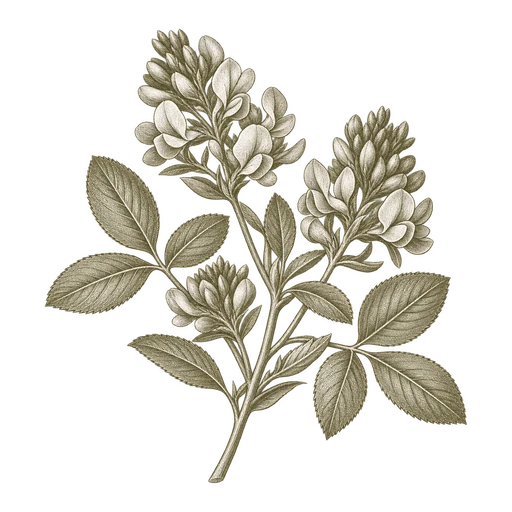
Alfalfa is a forage legume sourced as hay, silage, meal or pellets for livestock feed. Match the form to receiving and ration needs, then compare a lot-specific analysis on a consistent basis.
Explore ingredientPrepare for bulk flaxseed delivery by aligning packaging and unloading with your facility, reviewing lot condition and arranging clean, appropriate storage.
A bulk flaxseed order should be planned against the receiving system at the destination—not just the quantity being purchased. Before arranging delivery, determine how the site can accept the offered product: for example, whether it is equipped for a loose bulk load or needs packaged material. Match that choice to the actual unloading equipment, available labor and the space where the seed will be transferred or stored.
Share the delivery address, receiving hours, access restrictions and any limits on vehicle access or unloading time when requesting terms. These details help identify whether a proposed shipment arrangement fits the site. A delivery that cannot be unloaded promptly or routed to the intended storage area can disrupt operations and expose the seed to avoidable handling and weather risks.
Packaging is a practical part of the ingredient decision. If receiving loose product, check that the facility can discharge it into the right bin or other designated storage without mixing it with a different material. If packaged product is being considered, establish how packages will be unloaded, moved and protected before use; the available packaging and shipment arrangement need to be confirmed for the specific offer.
Walk through the full path from vehicle to storage: unloading point, transfer equipment, conveying route and final bin or storage area. Consider whether the equipment can handle the seed as offered and whether the route has any points where product could be spilled, left exposed or mixed with residues. Tell the broker about access or equipment constraints early, rather than assuming a familiar delivery arrangement will work at every site.
Before delivery, agree on how the seed’s condition will be described and assessed. Moisture, damaged seed and foreign material can affect handling and indicate differences in lot condition. Ask what information is available for the offered lot, including any relevant analysis or inspection details, and clarify how visible foreign material or damage will be addressed in the receiving process.
Storage history also matters: the conditions and duration of prior storage can provide useful context when evaluating an oilseed. Review available lot information alongside the product’s intended use and your own acceptance procedures. If the delivered appearance or condition differs from what was agreed, keep the lot identified and follow the facility’s normal process for documenting and resolving a receiving concern.
Flaxseed contains oil, so deterioration is a meaningful storage concern. Moisture, heat and physical damage can contribute to oilseed quality loss; contamination can also compromise the lot or make it unsuitable for the intended process. Protecting the product starts with clean, appropriate storage and careful transfer, not with an assumed shelf life.
Prepare the receiving area before the shipment arrives. Make sure the intended bin or storage space is clean and suitable for the product, and prevent contact with moisture, unrelated ingredients, residues or other sources of contamination. Keep handling equipment in a condition that will not introduce foreign material. The appropriate storage and handling requirements depend on the offered lot and arrangement, so obtain and follow the applicable guidance rather than applying an unverified time or temperature limit.
A useful request for bulk flaxseed should include the desired form, quantity and unit, destination, preferred delivery timing, packaging or unloading needs, and any quality requirements relevant to acceptance. Note the facility’s receiving constraints, such as unloading equipment and access conditions. These specifics help the broker assess which offered arrangement can be considered without assuming that a particular package, shipment method or commercial term is available.
Before finalizing an order, align the product description and lot information with your receiving checks. Confirm who will be responsible for arranging unloading, what condition information can be provided, and what storage space will receive the seed. Visit the Flax page to prepare a sourcing request with these details, then confirm the handling requirements for the specific lot and delivery arrangement.
Provide the required form and quantity, destination, delivery timing, packaging or unloading needs, and facility constraints. Include any lot-condition or quality requirements that matter for your receiving process.
Moisture, damaged seed and foreign material are useful condition factors to clarify. Review available lot information and compare the delivered seed with your agreed product description and normal acceptance procedures.
There is no single storage duration to assume for every lot and arrangement. Moisture, heat, damage and contamination can contribute to oilseed deterioration, so obtain handling guidance for the offered lot and maintain clean, appropriate storage.
Focused guides to the specification, application, and delivery questions behind this ingredient.
Whole, ground and rolled flaxseed differ in seed disruption, particle size and handling. Understand those distinctions, clarify what a product labeled meal contains, and review the analysis with a qualified nutritionist before formulating animal feed.
Read this InsightFlax meal’s residual oil and reported protein reflect how much oil extraction removes, while heat treatment is a separate process variable. Compare lot results for fat, protein and moisture on a consistent basis rather than treating a process label or reference composition as a shipment specification.
Read this InsightAlfalfa is a forage legume sourced as hay, silage, meal or pellets for livestock feed. Match the form to receiving and ration needs, then compare a lot-specific analysis on a consistent basis.
Explore ingredientAlfalfa meal is ground forage used in animal feed, with sun-cured and dehydrated processing routes and meal or pellet forms. Compare the offered process, physical form and analysis against the needs of the species and feed formulation.
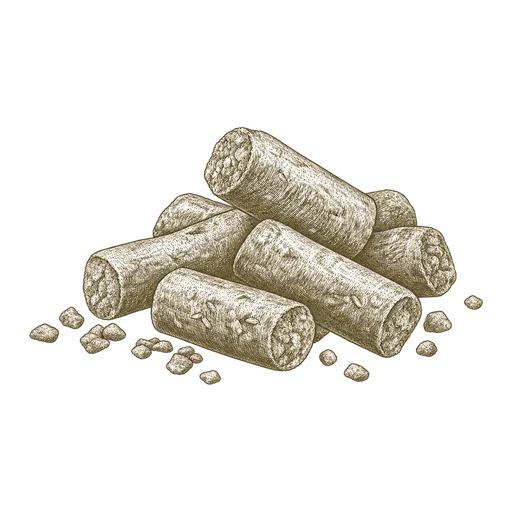
Explore ingredientAlfalfa pellets are ground, compressed forage used in livestock feeding and compound feeds. Compare the drying process, alfalfa material, forage analysis and pellet characteristics to choose a form that fits your ration and receiving setup.
Explore ingredientBeet pulp pellets are a dried, compacted sugar beet co-product used as a fibrous, energy-bearing ingredient in livestock feed. Compare molasses status, lot analysis and pellet handling needs to match the product to your ration and receiving setup.
Explore ingredient