Independent sourcing. Better connections.Commercial buyers · Bulk ingredients
tag

Ingredient handling and storage

A practical overview of receiving, transporting, and storing varied bulk ingredient forms, emphasizing product-specific specifications and handling.

28 ingredients6 published Insights
EXPLORE THE COLLECTION

Ingredient handling and storage ingredients

Starches/Fibers/Proteins

Beet Pulp Shreds

Beet pulp shreds are dried, shredded sugar-beet pulp used as a digestible-fiber ingredient in livestock and horse diets. Compare the offered form, additions and lot analysis, then match the shipment and dry-storage plan to your receiving setup.

Explore ingredient
Dried Vegetables

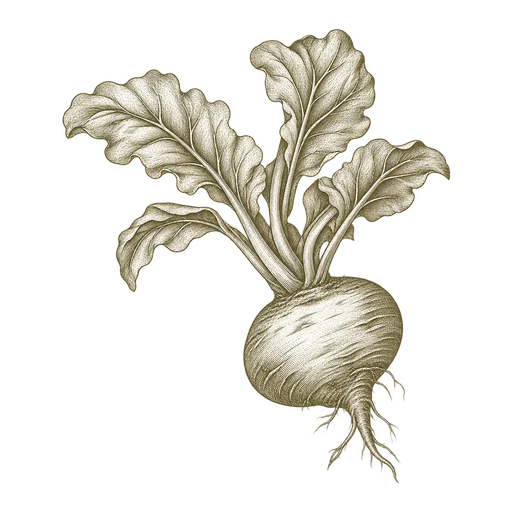
Beets

Sugar beet pulp is the fibrous residue left after sugar extraction and is used in livestock feed. Buyers can source moist pressed or dried shredded and pelleted forms; moisture, analysis and receiving needs determine which form fits a feed program.

Explore ingredient
Animal Products

Bison Meal

Bison meal can mean rendered meat meal, meat-and-bone meal, or bone meal—distinct products with different composition and analysis needs. Define the ingredient type and intended use before comparing lot results or arranging a bulk shipment.

Explore ingredient
Pulses

Black Beans

Dry black beans are used in packaged foods, prepared dishes and canning. Compare whole versus broken or split composition, and assess canning performance separately when the beans will be processed.

Explore ingredient
Sunflower Seeds

Black Oils

Black-oil sunflower seed is a black-hulled oilseed used in bird feeding, oil processing and animal-feed formulations. Specify whole seed or a processed form, then compare lot quality and storage requirements against the intended use.

Explore ingredient
Animal Products

Blood Meal

Blood meal is dried, powdered blood used as a protein ingredient in formulated feed and as a concentrated nitrogen fertilizer. Source, processing and intended use shape which analysis and handling details matter in a bulk purchase.

Explore ingredient
Dried Fruits

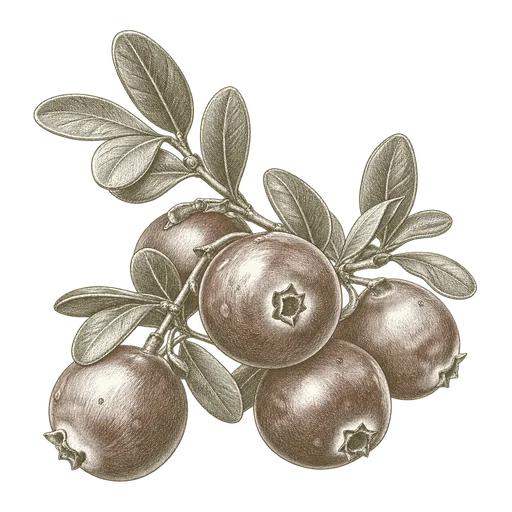
Blueberries

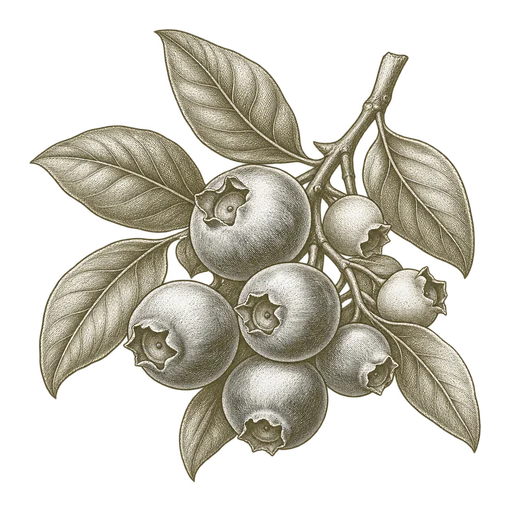
Bulk blueberries are sourced as frozen whole fruit, dried berries, powder, puree and other distinct forms. Match the form and its quality measures to the recipe, processing method and receiving requirements.

Explore ingredient
Animal Products

Bone Meal

Bone meal is dried, ground animal bone used as a mineral-bearing ingredient in feed and pet-food formulations. Compare cooked and steamed forms, source species, and calcium and phosphorus analysis to identify the material that fits the intended use.

Explore ingredient
Animal Products

Bovine Plasma

Bovine plasma is a blood-derived ingredient supplied in liquid, concentrated or spray-dried form. Buyers sourcing it for livestock diets or pet-food formulations should compare species origin, processing, analysis and intended use, then match the product form to their receiving and storage setup.

Explore ingredient
Tree Nuts

Brazils

Brazil nuts are sourced in-shell or as shelled kernels, including whole, sized, chipped and broken forms. Match kernel size and condition to the food application, and assess storage and quality requirements for the specific lot.

Explore ingredient
Feed Ingredients

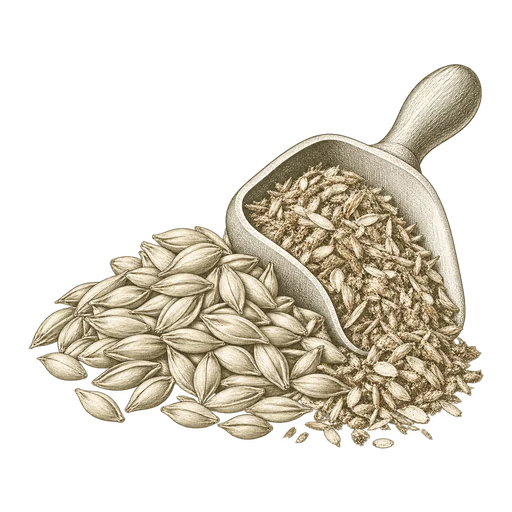
Brewer’s Grain

Brewer’s grain, or brewers’ spent grain, is a brewing co-product used particularly in cattle feed. Wet and dried forms differ in moisture, transport burden and storage needs; compare the offered form and lot analysis with your ration and receiving setup.

Explore ingredient
Starches/Fibers/Proteins

Brewer’s Yeast

Brewer’s yeast is a brewing-derived ingredient, but dried, liquid and further-processed yeast products are not interchangeable. Identify the intended use and exact form, then compare the lot analysis—especially crude protein for defined brewers dried yeast—before arranging a bulk order.

Explore ingredient
Grains

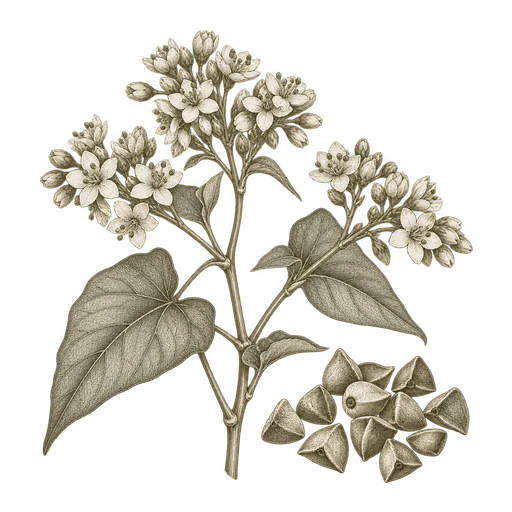
Buckwheat

Buckwheat is sourced as whole seed, dehulled groats, flour and milling by-products for food and feed uses. Choose the form and processing status for the intended use, and compare lot quality on a clearly stated basis.

Explore ingredient
Animal Products

Catfish Meal

Catfish meal is a rendered feed ingredient made from catfish-processing byproducts. Because raw materials and processing can differ, compare the declared identity, lot analysis and test basis before evaluating its role in a feed formulation.

Explore ingredient
Animal Products

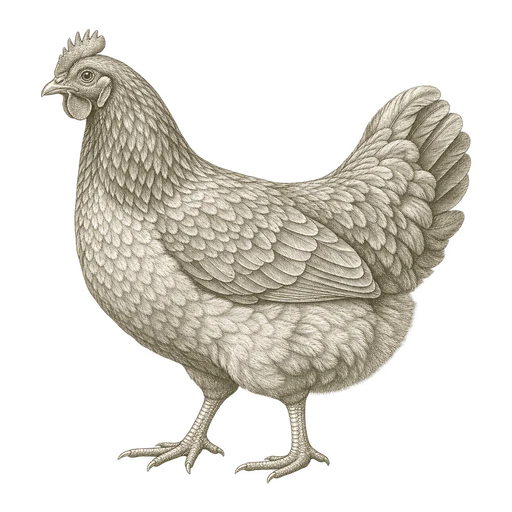
Chicken Meal

Chicken meal is a dry-rendered, ground chicken ingredient used as a protein component in formulated animal foods. Compare its exact ingredient identity, full analysis and analytical basis, then match the offered lot and receiving arrangement to the intended formulation.

Explore ingredient
Pulses

Chickpea Flour

Chickpea flour is milled from chickpeas for use in breads, baked goods, tortillas, pasta, batters and other foods. Processing history and particle size affect formulation behavior, so compare those details alongside analysis and receiving requirements when sourcing in bulk.

Explore ingredient
Pulses

Chickpeas

Chickpeas are dry edible pulses sold as Kabuli or Desi seed, whole, split, dehulled or milled into flour. Choose class and form to match the food process or formulation, and compare lot moisture, size, defects and receiving needs.

Explore ingredient
Feed Ingredients

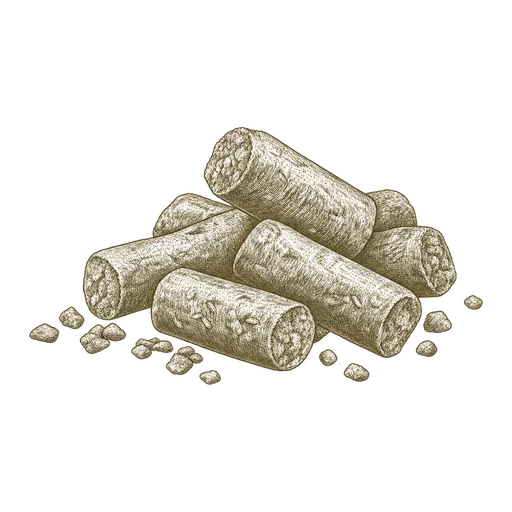
Citrus Pulp Pellets

Citrus pulp pellets are a dried citrus-processing by-product used chiefly as an energy ingredient in ruminant feed. Compare pellet handling, current lot analysis and nutrient reporting basis with your ration and receiving requirements.

Explore ingredient
Feed Ingredients

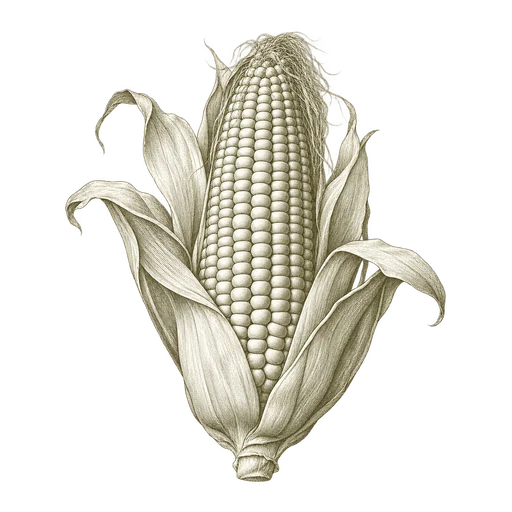
Corn Gluten Meal

Corn gluten meal is a corn wet-milling coproduct used as a concentrated plant-protein ingredient in poultry feed and pet food. Compare the offered form, protein and amino-acid analysis, moisture basis, and xanthophyll when relevant to the formulation.

Explore ingredient
Dried Fruits

Cranberries

Bulk cranberries can mean whole fruit, juice products, dried fruit, pomace or extracts. Identify the exact form and application, then compare its processing, analysis and handling requirements rather than treating cranberry products as interchangeable.

Explore ingredient
Dried Fruits

Dates

Dates are date-palm fruit sold as whole or pitted fruit, processed food ingredients and separate by-products such as pits or pulp. Specify the form and intended use first: each has different processing, quality measures and handling needs.

Explore ingredient
Feed Ingredients

Dried Molasses

Dried molasses is a livestock-feed ingredient that can differ in crop source, carrier and added ingredients. Compare the full formulation and dried-product analysis to determine how it fits a feed ration and bulk receiving plan.

Explore ingredient
Seeds

Flax

Flax is sourced as whole or ground seed, oil, meal and straw, with processing affecting product characteristics. Identify the form and intended market first, then compare the relevant analysis and receiving requirements.

Explore ingredient
Oils/Fats

Flaxseed Oil

Flaxseed oil is a liquid oil extracted from flaxseed and valued for its ALA content. Bulk buyers should distinguish edible, feed and industrial grades, compare extraction and oxidation measures, and plan packaging and storage to limit light exposure.

Explore ingredient
Seeds

Pumpkin Seeds

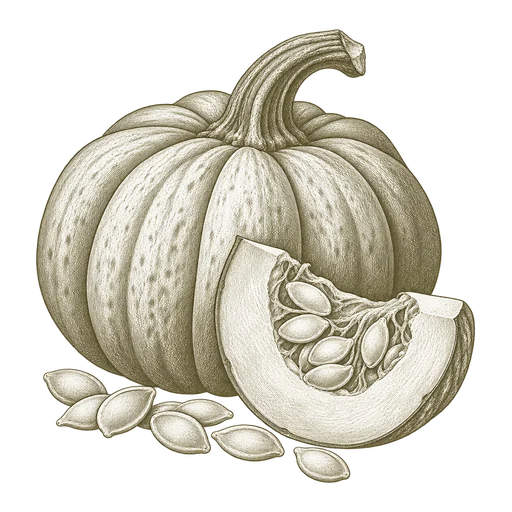
Pumpkin seeds are sourced as whole seeds, kernels, ground ingredients and oil-extraction co-products. Specify the form, processing and intended food or feed use; for meal and cake, residual fat and lot analysis help distinguish the material.

Explore ingredient

A mixed collection needs product-specific handling

This collection brings together ingredients with very different physical forms, including whole crops such as beets and black beans, processed materials such as blueberry pomace and citrus pulp pellets, oils, and animal-derived meals and plasma. Their handling needs are not interchangeable. A moisture measure useful for a grain, for example, is not automatically appropriate for an oil or a processed meal.

Use the exact ingredient name and offered form to guide your review. Confirm whether the material is intended for human food, animal feed, or another use, then check its current specification and stated storage instructions. Do not assume that products grouped under this tag share a shelf life or storage limit.

Plan receiving and transport around the lot

Before loading, establish the packaging or bulk format, lot identification, relevant quality measures, and any handling conditions that matter for the product. For bulk movements, discuss equipment cleanliness, previous cargo where relevant, and measures to prevent contamination during loading, transit, and unloading.

At receipt, match the shipment to its lot information and inspect packaging or bulk equipment. Look for damage, moisture, off-odors, or visible contamination, and follow your facility’s product-specific acceptance process. Record any measurements your program requires using the method appropriate to that ingredient.

Match storage conditions to the material

Keep storage areas clean and dry, and monitor for signs of moisture or deterioration. Ask about material-specific flowability and whether segregation or fines are a concern for the offered form; grain-handling practices should not be assumed to apply equally to pellets, pomace, meals, or oils. Confirm storage instructions against the actual packaging, facility conditions, and intended use.

Common questions.

What moisture level should I use for ingredients in this collection?+

There is no single appropriate level for this mixed collection. Request the lot’s measured result, test method, and product-specific acceptance range; do not apply a grain threshold to an unrelated ingredient form.

Can different ingredients share a bulk bin or trailer?+

Confirm compatibility and sanitation controls for the exact materials and intended use. Consider equipment cleanliness and contamination risks during loading, transport, and unloading.

What should I inspect when a shipment arrives?+

Check lot identity and packaging or equipment condition. Look for damage, moisture, off-odors, and contamination indicators, then follow your product-specific receiving and measurement procedures.

How long can these ingredients be stored?+

Storage life varies by product and lot, so this collection does not imply a common shelf life. Use the product-specific storage instructions and account for the packaging and conditions at your facility.

Ingredient handling and storage · BUYER INSIGHTS

Go deeper before you source.

Focused guides to the specification, application, and delivery questions behind this ingredient.

FIELD GUIDE01Ingredient handling and storage
Buyer’s guide

Planning receiving and storage for bulk pumpkin seeds

Plan a bulk pumpkin seed order around its exact form, your receiving setup and storage guidance that applies to the product and packaging being offered.

Read this Insight
FIELD GUIDE02Ingredient handling and storage
Buyer’s guide

Using pumpkin seed meal in food formulations

Choose pumpkin seed ingredients for food formulations by distinguishing whole seeds, kernels, oil-retaining ground meal and defatted flour. Processing and documentation matter as much as the product name.

Read this Insight
FIELD GUIDE03Ingredient handling and storage
Buyer’s guide

Pumpkin seed meal specifications: comparing residual fat

Pumpkin seed meal and cake can differ in extraction history, residual fat and physical form. Compare process identity and a complete analysis reported on a consistent basis before treating lots as interchangeable.

Read this Insight
FIELD GUIDE04Ingredient handling and storage
Buyer’s guide

Bulk Lactose Shipping and Storage: Questions for Supplier Coordination

A practical coordination guide for bulk lactose orders, covering product identification, packaging, receiving readiness, protected storage and shipment documentation.

Read this Insight
FIELD GUIDE05Ingredient handling and storage
Buyer’s guide

Lactose for Direct-Compression Tablet Formulation: Buyer Considerations

A practical guide to evaluating lactose for direct-compression tablets, from grade and particle attributes to compatibility, documentation and formulation testing.

Read this Insight
FIELD GUIDE06Ingredient handling and storage
Buyer’s guide

Lactose Specifications: Comparing Monohydrate and Anhydrous Forms

Compare lactose monohydrate and anhydrous lactose by confirming product identity, moisture and assay reporting basis, test methods, lot-specific COA results, and requirements tied to the intended process.

Read this Insight