Independent sourcing. Better connections.Commercial buyers · Bulk ingredients
topic

Ingredient handling

A handling-oriented collection spanning liquids, powders, meals, pellets, seeds and fresh ingredients. Buyers should identify the exact product form, match receiving equipment and storage conditions to the lot, and maintain clear lot documentation.

18 ingredients6 published Insights
EXPLORE THE COLLECTION

Ingredient handling ingredients

Feed Ingredients

Almond Hulls

Almond hulls are the dried outer layer of the almond fruit, sourced for ruminant feed as hull-only material or as a hull-and-shell mixture. Compare the lot’s composition, physical form, and handling needs before arranging a bulk shipment.

Explore ingredient
Tree Nuts

Almond Meal

Almond meal can mean ground edible kernels or oil-extraction press cake, and the distinction affects composition and bakery performance. Identify the almond fraction, compare its lot analysis and match its form to your formulation and receiving setup.

Explore ingredient
Dried Vegetables

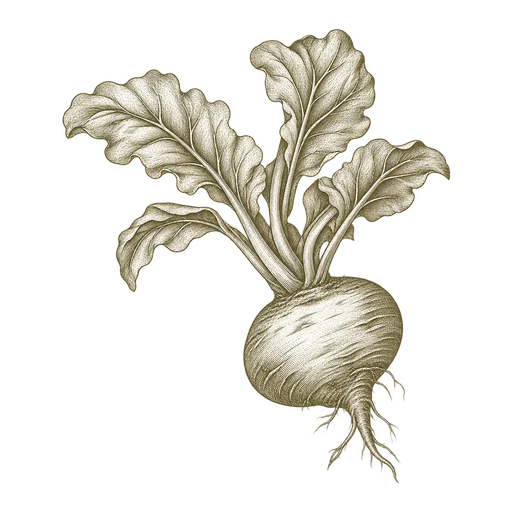
Beet Powder

Beet powder can mean whole-root powder or a juice-derived color ingredient, and the distinction affects composition and formulation use. Compare product identity, carriers, color performance and storage needs before arranging a bulk order.

Explore ingredient
Grains

Brown Rice

Brown rice is hulled rice with its bran layers retained, sourced as whole kernels or flour for food uses. Specify grain class, processing state and quality requirements, then match packaging and storage plans to your facility.

Explore ingredient
Dairy Ingredients

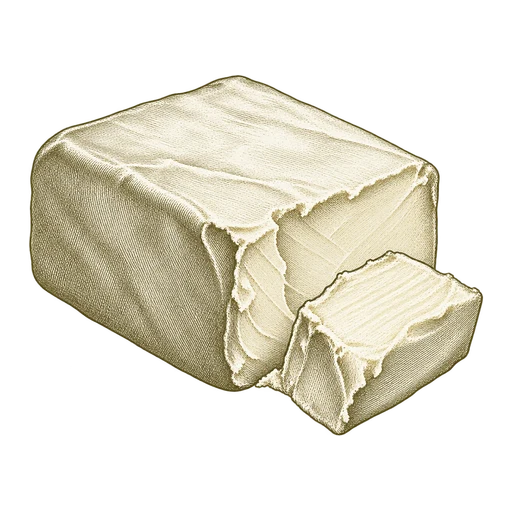
Butter Products

Butter products include churned butter, concentrated milkfat products and formulated powders. Choose the exact form first: composition, recipe role, quality measures and temperature or storage needs differ across these ingredients.

Explore ingredient
Dairy Ingredients

Buttermilk Powder

Buttermilk powder is dried liquid buttermilk used to supply dairy solids and flavor in foods such as baked goods, sauces, beverages and desserts. Compare the product’s starting material, composition and functional properties to match it to the formulation and handling process.

Explore ingredient
Animal Products

Catfish Meal

Catfish meal is a rendered feed ingredient made from catfish-processing byproducts. Because raw materials and processing can differ, compare the declared identity, lot analysis and test basis before evaluating its role in a feed formulation.

Explore ingredient
Dried Vegetables

Celery

Celery is sourced for food use as fresh stalks and leaves, frozen celery, or dried material. Specify the plant part and form because they differ in culinary role, handling, quality measures and storage needs.

Explore ingredient
Dairy Ingredients

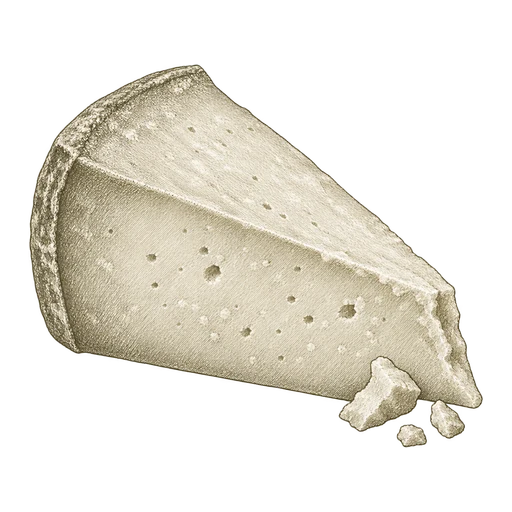
Cheese (All Types)

Cheese is a broad ingredient category ranging from natural and processed products to cheese powder and trimmings. Define the variety, composition and physical form first; cheese powder serves dry food applications, while other forms require specifications matched to their intended process.

Explore ingredient
Pulses

Chickpea Flour

Chickpea flour is milled from chickpeas for use in breads, baked goods, tortillas, pasta, batters and other foods. Processing history and particle size affect formulation behavior, so compare those details alongside analysis and receiving requirements when sourcing in bulk.

Explore ingredient
Feed Ingredients

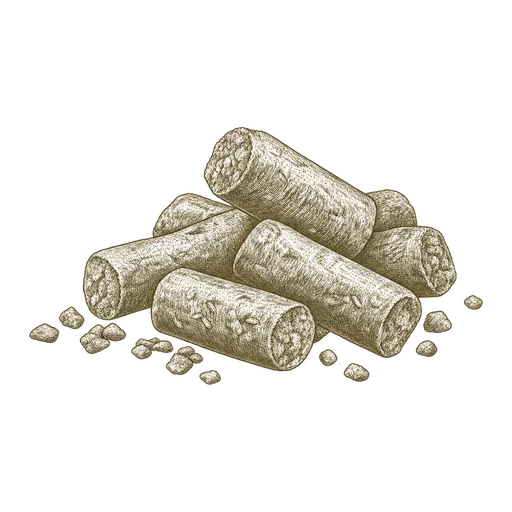
Citrus Pulp Pellets

Citrus pulp pellets are a dried citrus-processing by-product used chiefly as an energy ingredient in ruminant feed. Compare pellet handling, current lot analysis and nutrient reporting basis with your ration and receiving requirements.

Explore ingredient
Dairy Ingredients

Colostrum Powder

Bovine colostrum powder is a dried ingredient that can differ in IgG content, fat, lactose and processing. Compare the specific form, lot analysis and intended-use documentation before arranging a bulk order.

Explore ingredient
Feed Ingredients

Dextrose

Dextrose is D-glucose supplied in forms including monohydrate and anhydrous powder. Specify the form, intended food or feed use, particle-size needs and analysis basis when comparing bulk offers.

Explore ingredient
Seeds

Flax

Flax is sourced as whole or ground seed, oil, meal and straw, with processing affecting product characteristics. Identify the form and intended market first, then compare the relevant analysis and receiving requirements.

Explore ingredient
Starches/Fibers/Proteins

Pea Fiber

Pea fiber is sourced from different pea fractions and processing streams, so its fiber profile and water-binding behavior can vary. Identify the material and compare its analysis and functional properties against the intended food application.

Explore ingredient
Seeds, Grains & Specialty

Thistle Seed

Milk thistle (Silybum marianum) is sourced as whole or ground seed and as processed products such as press cake and meal. Identify the botanical species and form first, then compare lot analysis and receiving needs for the intended feed application.

Explore ingredient

A handling topic across very different forms

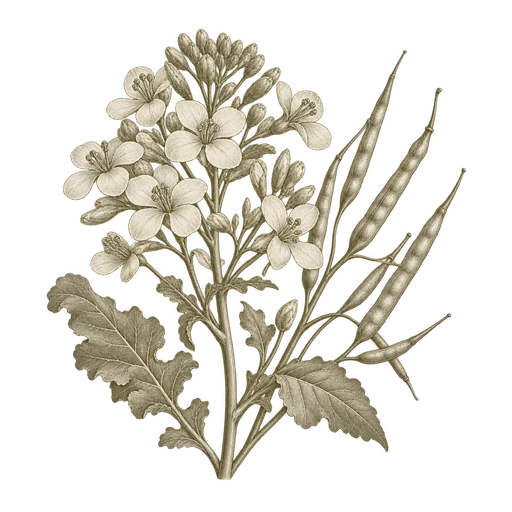
Ingredient handling brings together products that do not share one storage or unloading method. The collection includes liquid Canola Oil, dry ingredients such as Buttermilk Powder and Chickpea Flour, meal and pellets such as Catfish Meal and Citrus Pulp Pellets, and fresh Celery. Butter Products, Cheese (All Types) and Flax are broad labels, so confirm the exact form and product identity before planning equipment or storage.

The collection is about practical handling decisions, not a claim that each ingredient suits the same food or feed use. Intended use, lot specifications and handling instructions need to match the specific product being purchased.

Match receiving equipment to the product

For liquid Canola Oil, plan around compatible tanks, hoses, pumps and unloading connections, and establish equipment-cleanliness requirements. Powders, meals and pellets raise different questions: whether the receiving system can move the material consistently and whether the supplier can provide relevant flow or discharge information. Do not assume one dry ingredient behaves like another.

Fresh or potentially temperature-sensitive products, including Celery, Cheese (All Types) and Butter Products, need product-specific transport and storage instructions. Ask for the required controls rather than applying general dry-ingredient practices.

Build storage and traceability into the order

Before delivery, confirm the product form, packaging or bulk mode, unloading method, and storage conditions for the lot. Moisture, temperature and time can affect stored commodities; clean, dry storage and protection from pests are useful baseline practices, not a substitute for the product’s own requirements.

Request the current specification and applicable lot documentation. Record the product identity, lot number, quantity and receipt date, and use a representative sample when required by your quality program. Confirm commercial terms and delivery details for the specific order.

Common questions.

Can the same bulk equipment handle every ingredient in this collection?+

No. Liquid oil, powders, meal, pellets and fresh products have different receiving needs. Match tanks, pumps, hoppers or storage areas to the specific product and confirm compatibility before delivery.

What should I confirm for broad labels such as Flax or Cheese (All Types)?+

Confirm the exact product identity, processing or physical form, intended use and applicable lot specification. A broad category name alone is not enough to plan handling.

What storage conditions should I use?+

Use the product- and lot-specific storage instructions. Do not apply dry-storage practices to fresh, chilled, temperature-sensitive or liquid products without confirming their requirements.

Which documents help at receiving?+

Request the current specification and applicable lot documentation, and record the product identity, lot number, quantity and receipt date. Sampling should follow your quality program and use a representative sample.

Ingredient handling · BUYER INSIGHTS

Go deeper before you source.

Focused guides to the specification, application, and delivery questions behind this ingredient.

FIELD GUIDE01Ingredient handling
Buyer’s guide

Planning bulk receiving and storage for milk thistle seed

Plan bulk milk thistle seed receiving around the botanical identity, exact product form, order details, facility constraints, and storage guidance for the offered lot.

Read this Insight
FIELD GUIDE02Ingredient handling
Buyer’s guide

Evaluating milk thistle meal in dairy cattle rations

A practical framework for evaluating milk thistle meal in dairy cattle rations, from distinguishing product forms to interpreting lot analysis and fitting its nutrients into the complete diet.

Read this Insight
FIELD GUIDE03Ingredient handling
Buyer’s guide

How to compare milk thistle seed and meal analyses

A practical comparison of milk thistle seed and meal analyses, covering product form, moisture basis, key composition measures, fiber testing and flavonolignan assays.

Read this Insight
FIELD GUIDE04Ingredient handling
Buyer’s guide

Planning bulk pea fiber receiving and storage

A practical guide to defining a bulk pea fiber order and coordinating packaging, unloading and storage around the specific fraction offered.

Read this Insight
FIELD GUIDE05Ingredient handling
Buyer’s guide

What pea fiber changes in bread formulation

Pea fiber can change dough hydration, loaf structure, crumb texture and flavor. The specific material and bread process determine the result, so trial the intended ingredient against a consistent control before planning a bulk purchase.

Read this Insight
FIELD GUIDE06Ingredient handling
Buyer’s guide

How to compare pea fiber specifications and test basis

Compare pea fiber specifications on more than the headline fiber number. Source fraction, analytical method, reporting basis, particle size and water-binding test conditions all shape what a result means.

Read this Insight