Grains
Alfalfa
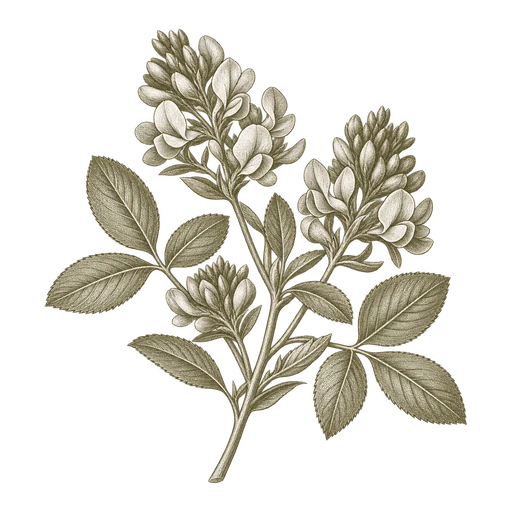
Alfalfa is a forage legume sourced as hay, silage, meal or pellets for livestock feed. Match the form to receiving and ration needs, then compare a lot-specific analysis on a consistent basis.
Explore ingredientFlax meal’s residual oil and reported protein reflect how much oil extraction removes, while heat treatment is a separate process variable. Compare lot results for fat, protein and moisture on a consistent basis rather than treating a process label or reference composition as a shipment specification.
Flax meal is the solid material remaining after oil is removed from flaxseed. Its residual oil and reported protein are connected: removing more oil generally concentrates the non-oil components in the remaining meal. That makes extraction method a useful starting point when comparing offers, but it does not replace the actual lot analysis.
Mechanical pressing squeezes oil from the seed. Press conditions and equipment affect how much oil remains in the press cake, so a meal described as pressed or expeller-pressed does not have one guaranteed residual-oil level. “Cold pressed” is also not enough by itself to establish a precise process or composition; buyers need the supplier’s description of what that term means for the product offered.
Solvent extraction separates oil from prepared seed or press material using a solvent. More complete oil removal can leave a meal with less residual oil and a higher protein concentration than a less fully defatted meal. The comparison is directional, not a specification: seed, processing sequence and final product handling all matter.
Crude fat, sometimes reported as oil or ether extract, is the main analysis field for comparing how much oil remains in flax meal. A higher result means more measured extractable fat in the sample; it does not, on its own, identify the extraction method. If the process matters to a formulation or purchasing requirement, request the process description separately.
Crude protein commonly reflects nitrogen measured in the sample and converted to a protein estimate. When oil is removed, protein can make up a larger share of the meal even though extraction has not created protein. This is why protein percentages from differently defatted meals should be read alongside residual oil and the reported moisture basis.
Moisture affects the as-received percentages because water contributes to sample weight. Compare results reported on the same basis—such as as received or dry matter—or convert them consistently before judging whether one lot is more concentrated. Ask which analytical methods and reporting basis apply if the certificate or specification does not make them clear.
Heat may be involved in seed conditioning, mechanical extraction or later meal treatment. It is not synonymous with either cold pressing or solvent extraction, and the word “heat-treated” alone does not describe the time, temperature or processing stage. Those details matter when the process itself is part of the purchase requirement.
Processing heat can affect protein characteristics as well as the measured composition. For example, heat can change protein solubility and functionality; the direction and practical significance depend on the treatment. Do not infer a specific nutritional or functional outcome from an extraction label. Request process information and, where relevant to the intended use, the quality measure that addresses the concern.
For a practical side-by-side review, start with residual oil or crude fat, crude protein and moisture. Include crude fiber and ash when they matter to the formulation or purchasing specification. Check whether each result is a guaranteed limit, a typical value or a measurement from a particular lot; those descriptions are not interchangeable.
Confirm sample identity, test date or lot reference, analytical method and reporting basis. A reference composition describes a product type or expected profile; it is not evidence that a particular shipment meets those values. The offered lot’s specification or certificate is the relevant document for checking the material being quoted. If two results appear inconsistent, first align the moisture basis and test definitions before attributing the difference to extraction.
A useful flax meal requirement names the intended process or residual-oil expectation, the protein and moisture basis, and any additional limits that matter to the application. Keep process language and analytical requirements distinct: a stated extraction route does not automatically guarantee a particular composition.
Once those requirements are defined, use the Flax page to source meal and communicate the form and analysis needed. Supplier-specific process descriptions and lot results should be reviewed against the product actually offered before comparing alternatives.
No single residual-oil level follows from the label alone. Press conditions and equipment affect how much oil remains, so compare the lot’s crude-fat or oil result and clarify what the supplier means by cold pressed.
Removing more oil can increase the proportion of protein in the remaining meal. It does not mean extraction created protein; compare protein with residual oil and moisture, using the same reporting basis.
Start with crude fat or residual oil, crude protein and moisture. Add crude fiber and ash if they are relevant to the formulation. Compare analytical methods and as-received or dry-matter basis, and distinguish reference composition from results for the offered lot.
Focused guides to the specification, application, and delivery questions behind this ingredient.
Prepare for bulk flaxseed delivery by aligning packaging and unloading with your facility, reviewing lot condition and arranging clean, appropriate storage.
Read this InsightWhole, ground and rolled flaxseed differ in seed disruption, particle size and handling. Understand those distinctions, clarify what a product labeled meal contains, and review the analysis with a qualified nutritionist before formulating animal feed.
Read this InsightAlfalfa is a forage legume sourced as hay, silage, meal or pellets for livestock feed. Match the form to receiving and ration needs, then compare a lot-specific analysis on a consistent basis.
Explore ingredientAlfalfa meal is ground forage used in animal feed, with sun-cured and dehydrated processing routes and meal or pellet forms. Compare the offered process, physical form and analysis against the needs of the species and feed formulation.
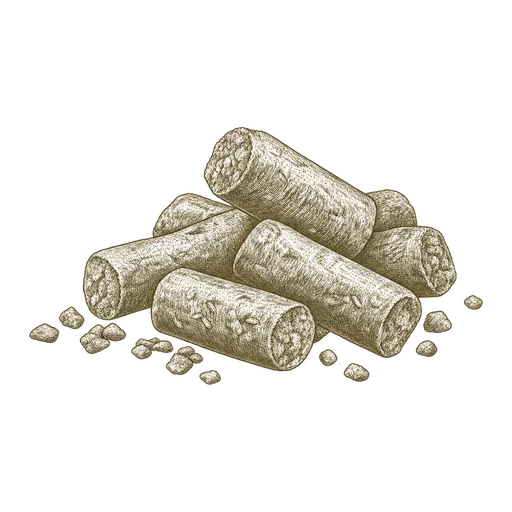
Explore ingredientAlfalfa pellets are ground, compressed forage used in livestock feeding and compound feeds. Compare the drying process, alfalfa material, forage analysis and pellet characteristics to choose a form that fits your ration and receiving setup.
Explore ingredientBeet pulp pellets are a dried, compacted sugar beet co-product used as a fibrous, energy-bearing ingredient in livestock feed. Compare molasses status, lot analysis and pellet handling needs to match the product to your ration and receiving setup.
Explore ingredient