Independent sourcing. Better connections.Commercial buyers · Bulk ingredients
tag

Oilseed meals

Oilseed meals are oil-extraction co-products considered in animal-feed formulations, but processing and product form matter. This collection includes Cottonseed Meal, Flax, Mustard, Peanut Meal, Safflower and Sunflower Meal; confirm the identity of each listing, especially Flax and Mustard, before comparing analyses or bulk offers.

9 ingredients6 published Insights
EXPLORE THE COLLECTION

Oilseed meals ingredients

Feed Ingredients

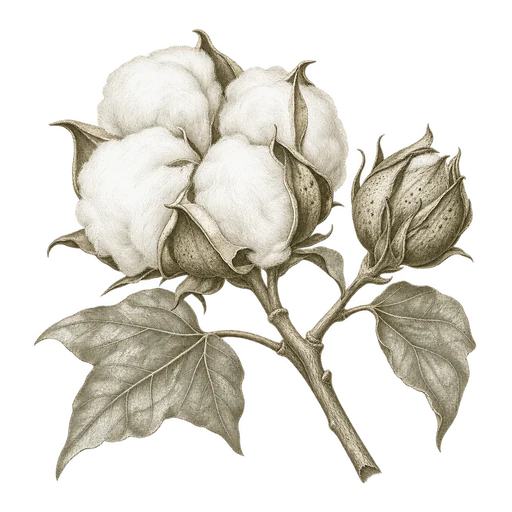
Cottonseed Meal

Cottonseed meal is a protein-containing co-product of cottonseed oil extraction used in animal feed. Processing affects its composition and gossypol characteristics, so compare a lot’s analysis and intended-species requirements before choosing an offer.

Explore ingredient

Seeds

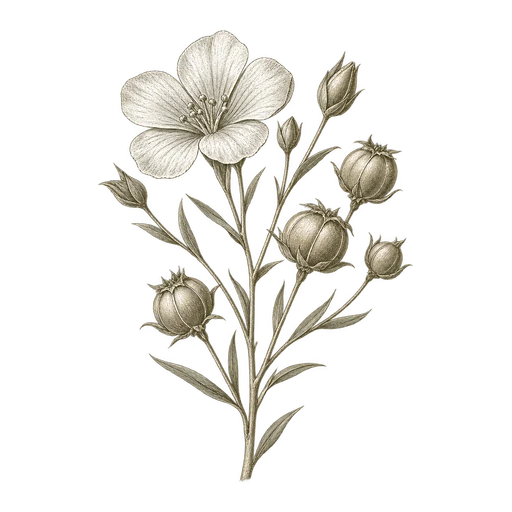
Flax

Flax is sourced as whole or ground seed, oil, meal and straw, with processing affecting product characteristics. Identify the form and intended market first, then compare the relevant analysis and receiving requirements.

Explore ingredient
Seeds

Mustard

Mustard can mean culinary seed, oilseed or oil-extraction meal. Compare species, physical form and processing method first; for meal, review its analysis and glucosinolate profile against the intended feed use.

Explore ingredient
Peanuts

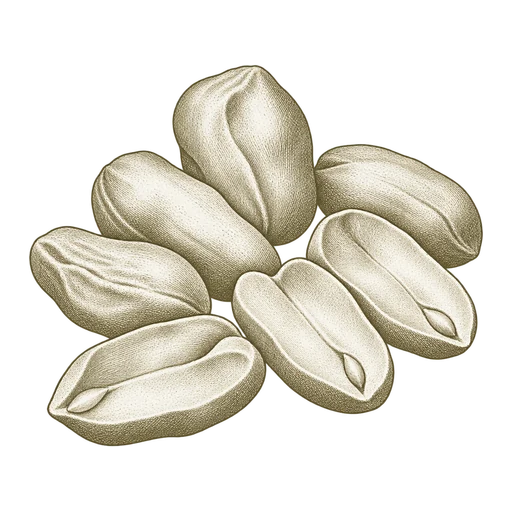
Peanut Meal

Peanut meal is a ground, oil-removed peanut ingredient used as a protein source in livestock feed. Extraction method and hull content affect its analysis, so compare lot-specific composition and aflatoxin information before matching a bulk offer to a feed formulation.

Explore ingredient
Other Seeds & Grains

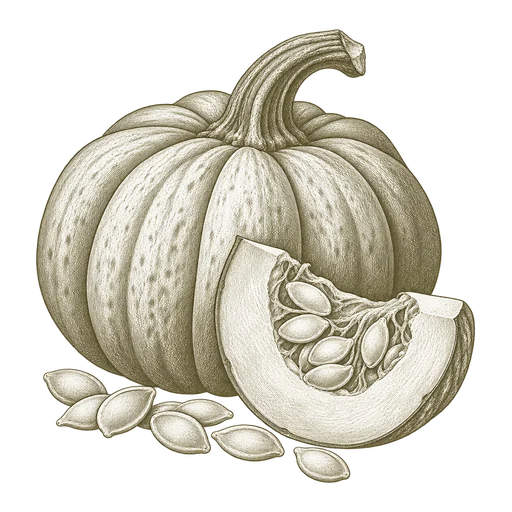
Pumpkin Seed

Pumpkin seed can mean whole food seeds, hulled kernels, ground meal or oil-extraction cake. Choose the form for its intended food or feed use, and compare the specific product’s processing and analysis before sourcing in bulk.

Explore ingredient
Seeds

Pumpkin Seeds

Pumpkin seeds are sourced as whole seeds, kernels, ground ingredients and oil-extraction co-products. Specify the form, processing and intended food or feed use; for meal and cake, residual fat and lot analysis help distinguish the material.

Explore ingredient
Seeds, Grains & Specialty

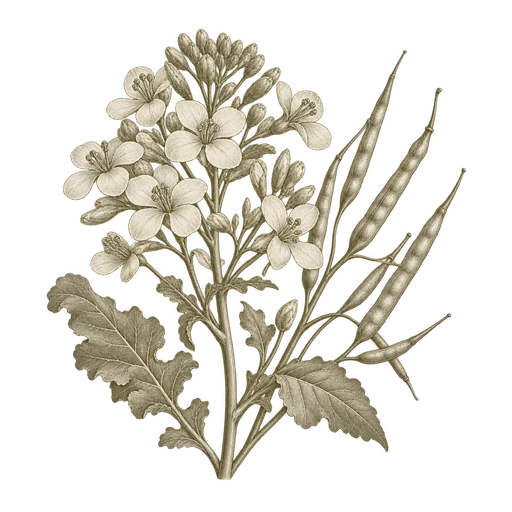
Rapeseed

Rapeseed can mean whole seed, oil or oil-extraction meal, and the crop name alone does not establish grade or end use. Compare product identity, intended application and relevant analysis before arranging a bulk purchase.

Explore ingredient
Seeds

Safflower

Safflower is an oilseed sold as whole seed, oil and oil-extraction meal. For feed buyers, meal's hull content and extraction method shape its protein, fiber and residual oil profile, so compare the actual product analysis and intended use.

Explore ingredient
Feed Ingredients

Sunflower Meal

Sunflower meal is a sunflower-seed oil-extraction residue used as a protein ingredient in animal feed. Compare dehulling, extraction method, physical form and lot analysis to determine how a bulk offer fits your feed formulation and receiving setup.

Explore ingredient

What this collection includes

This collection groups Cottonseed Meal, Flax, Mustard, Peanut Meal, Safflower and Sunflower Meal. Oilseed meals generally refer to the material left after oil is extracted from seed, but the listed names do not all confirm that the product is a meal.

Check the exact identity and form of each listing. In particular, Flax could refer to seed or linseed meal, while Mustard could refer to seed, meal or bran. These forms are not interchangeable.

Processing changes the product

Oil extraction and the amount of hull retained affect a meal’s composition. Sunflower meal is a clear example: dehulling can change its protein and fiber profile. Expeller and solvent-extracted products can also differ in residual oil, so the ingredient name alone is not enough for a formulation decision.

Use published composition figures as reference examples, not as a promise about a shipment. Compare current analyses on the same reporting basis, including moisture, crude protein, fat or oil, and fiber.

Compare feed suitability and lot details

These ingredients are commonly considered as animal-feed protein sources, but suitability depends on product form, processing, species and the full ration. Cottonseed meal has naturally occurring gossypol, and peanut and cottonseed products warrant attention to aflatoxin documentation where relevant to the intended use.

Before comparing bulk offers, establish the product identity, extraction method and hull status, then review the lot-specific analysis and relevant contaminant results. Confirm that the documentation and intended use fit the species and ration being considered.

Common questions.

Is every ingredient listed here a meal?+

No. The labels Flax and Mustard do not specify whether the product is seed, meal, bran or another form. Verify the exact identity before comparing offers.

Why does hull content matter in sunflower meal?+

The amount of hull retained affects the meal’s protein and fiber profile, so compare product form and analysis rather than relying on the name alone.

Are expeller and solvent-extracted meals equivalent?+

Not necessarily. Extraction method can affect residual oil and nutrient concentration. Request the process and analysis for the specific product.

What documentation is useful for peanut or cottonseed meal?+

Review the lot analysis and ask for relevant aflatoxin results for the intended feed use. Requirements and suitability depend on the product and animal species.

Oilseed meals · BUYER INSIGHTS

Go deeper before you source.

Focused guides to the specification, application, and delivery questions behind this ingredient.

FIELD GUIDE01Oilseed meals
Buyer’s guide

Planning bulk sunflower meal receiving and storage

Plan bulk sunflower meal receipt around the offered form, the facility’s unloading and conveying equipment, and a clean, dry storage destination. Include the delivery location and receiving constraints in your sourcing request.

Read this Insight
FIELD GUIDE02Oilseed meals
Buyer’s guide

Sunflower meal in poultry and swine diets: what to evaluate

A practical guide to evaluating sunflower meal for poultry and swine formulations, with attention to fiber, lysine, processing and lot-specific analysis.

Read this Insight
FIELD GUIDE03Oilseed meals
Buyer’s guide

How to compare sunflower meal analysis and hull content

Compare sunflower meal lots by reading protein, fiber, residual oil and moisture together. Hull content and as-fed versus dry-matter reporting can change how those results should be interpreted.

Read this Insight
FIELD GUIDE04Oilseed meals
Buyer’s guide

Planning receiving and storage for bulk safflower seed or meal

Plan a safflower delivery around the product form, your site’s unloading setup and the storage instructions for the specific seed or meal offer.

Read this Insight
FIELD GUIDE05Oilseed meals
Buyer’s guide

Safflower meal in feed: formulation questions by animal group

Hull content changes safflower meal’s fiber profile and can affect its energy contribution. Compare the actual product analysis and assess it separately for ruminant, poultry, or swine rations.

Read this Insight
FIELD GUIDE06Oilseed meals
Buyer’s guide

How to compare safflower meal analysis and hull content

Hull content and oil extraction influence safflower meal composition. Learn how to compare protein, fiber, residual oil, moisture and ash using the same analytical basis and methods.

Read this Insight